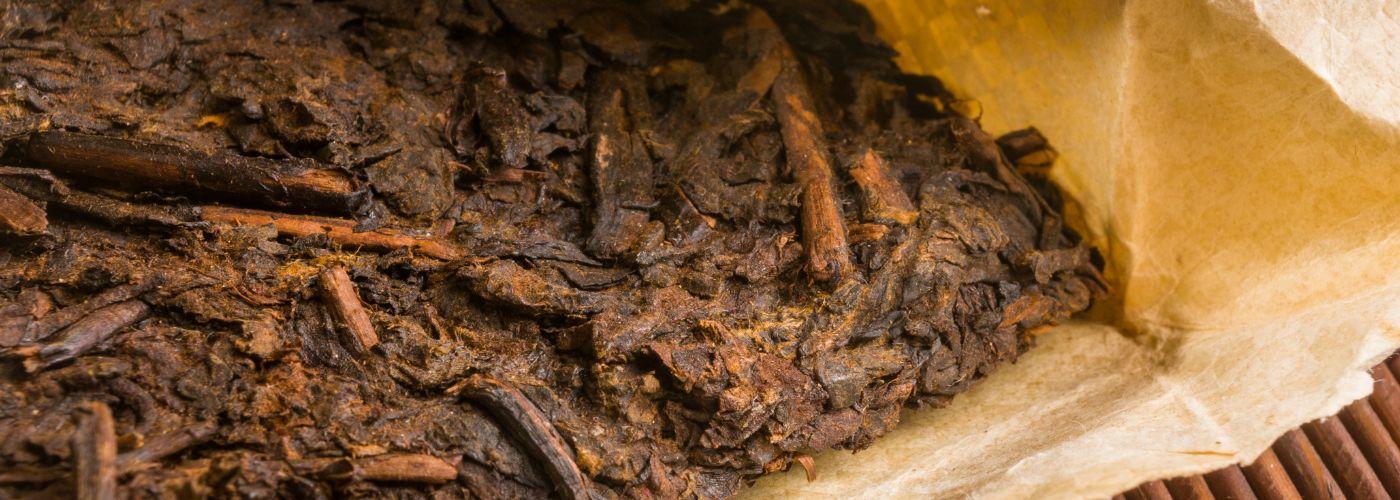
Tea Myths Only Connoisseurs Notice: The Truth Behind Aging Tea
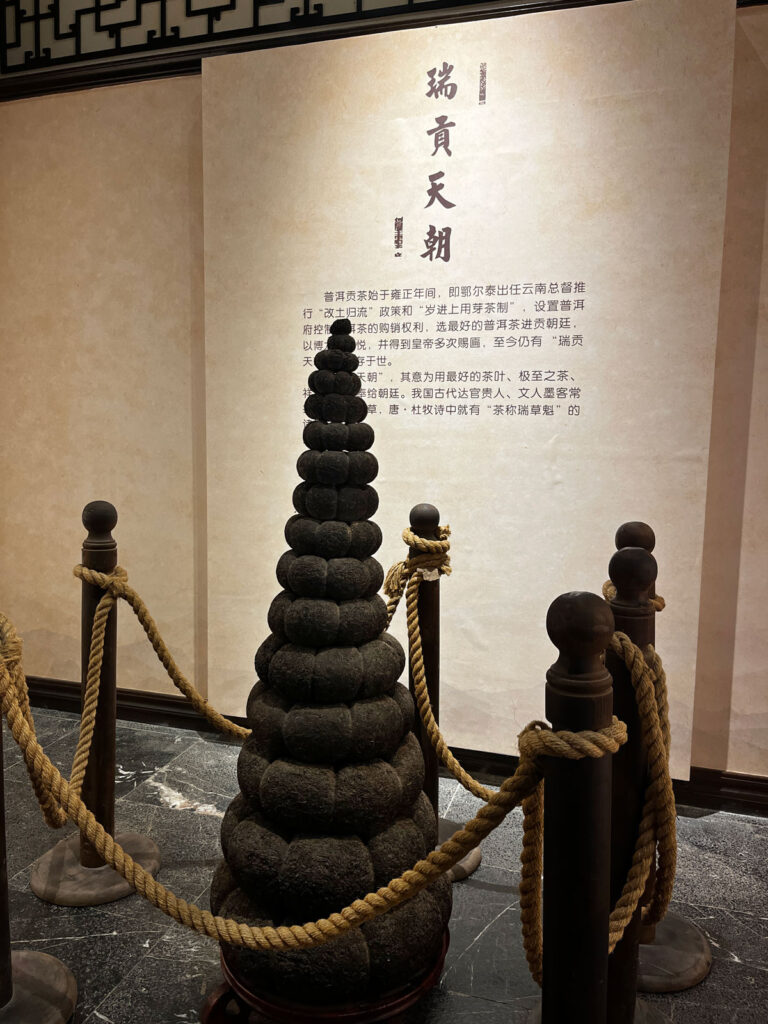
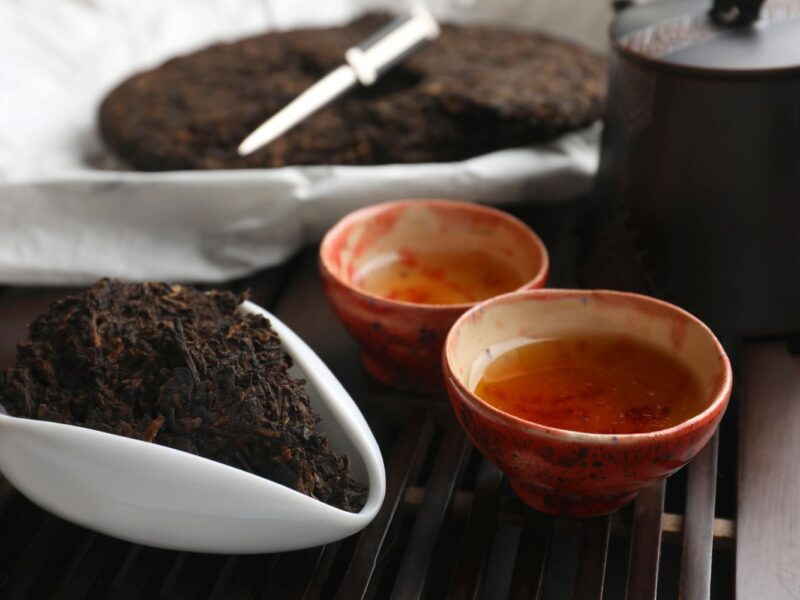
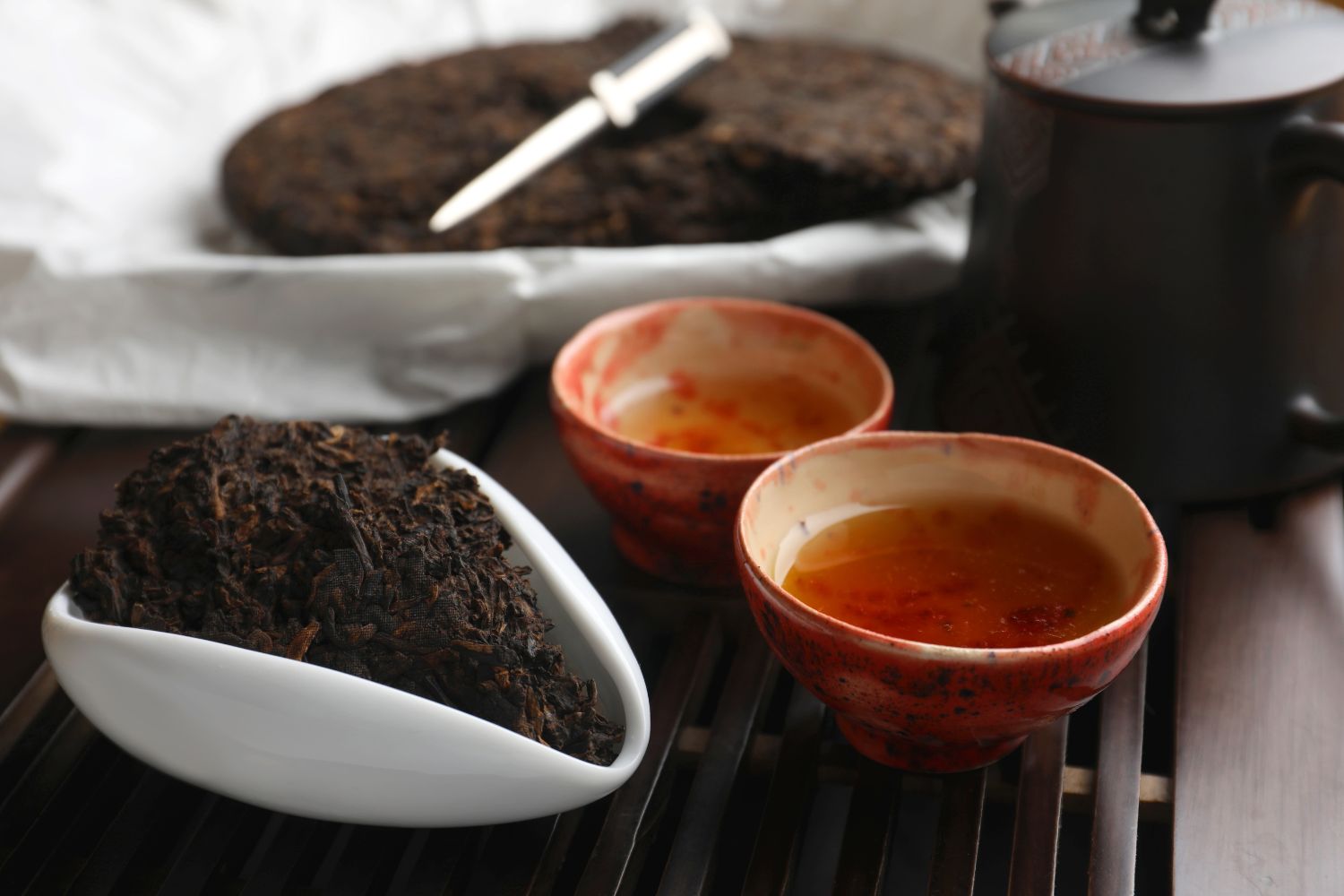
Few areas of tea attract more tea myths than aging.


Walk into any conversation about aged pu-erh and you’ll hear confident claims:
older is always better, any tea improves if you just leave it long enough, a dusty smell means depth of character.

Connoisseurs who have tasted their way through genuinely well-aged tea, and plenty of poorly aged tea, know that almost none of this holds up.

This guide separates the tea myths from what’s actually true about aging, so you can taste with more confidence and spend your money on tea that’s genuinely improving rather than just getting older.

Table of Contents

The Biggest Tea Myth: Older Always Means Better

This is the tea myth that costs people the most money.

It’s tempting to assume aged tea works like a simple timeline: the more decades on the label, the better the cup.

In reality, every aged tea has a peak, and after that peak it can plateau or even decline. A beautifully made tea with excellent storage might taste its best at eight years old. A mediocre tea, however long you wait, will never become a great one.

Connoisseurs who’ve tasted verticals, the same tea at multiple ages side by side, will tell you that a three-year-old cake sometimes outperforms a ten-year-old one from the same batch.

What matters far more than raw age is the quality of the original leaf and the conditions the tea has aged in. Age is one input among several, not a guarantee.

If you want to understand what “quality of the original leaf” really depends on, walking the Tea Horse Road to Pu-erh City traces how terroir and trade history shaped this tea long before ageing ever entered the picture.

Which Teas Actually Improve With Age

Another persistent myth is that any tea benefits from being left in a cupboard for a few years.

In truth, aging suits a specific category of tea, and actively harms others.

Tea Type How It Ages
Pu-erh (raw and ripe) The classic aging tea. Fermentation and gentle oxidation over years transform harsh, bitter young leaf into something smoother, sweeter and more complex.
Some aged white teas and dark oolongs These can develop deeper, mellower character over a few years when stored well, though the transformation is subtler than pu-erh.
Green and delicate white teas These are made to be enjoyed fresh. Their appeal lies in bright, vegetal, grassy notes that fade and turn stale with time, not improve.
Most black teas Generally at their best within one to two years of production. Extended aging tends to flatten their brisk, malty character rather than enhance it.

If someone tells you a green tea gets better with age, that’s one of the more easily disproven tea myths in circulation.

It doesn’t; it simply gets tired.

If you’ve ever wondered whether pu-erh really behaves like a fine wine, our guide to Does Pu-erh Tea Improve With Age Like Wine? The Honest Answer breaks down where that comparison holds up and where it falls apart.

How Aging Actually Works

Aged pu-erh doesn’t improve through some vague, mystical process.

It changes because of active microbial and enzymatic activity working on the leaf over time, gradually converting harsh compounds into smoother, sweeter ones.

This is precisely why sealing pu-erh in an airtight container is counterproductive, another common misunderstanding.

The process needs gentle airflow to continue. Seal it completely and you halt the transformation rather than protecting it.

What aging tea actually needs is a cool, stable, odour-free environment with enough ventilation for the process to keep working, and enough humidity control to avoid mould.

This is also why a musty, damp smell is a warning sign rather than a mark of authenticity. Genuine aged character smells clean, complex and layered. A sour, fishy or mouldy note points to poor storage, not depth.

Raw vs Ripe Pu-erh: Two Different Aging Stories

Raw pu-erh (sheng) and ripe pu-erh (shou) are frequently talked about as if they age identically.

They don’t, and mixing up the two is one of the more common tea myths among newer drinkers.

Raw Pu-erh (Sheng) Ripe Pu-erh (Shou)
How it's made Sun-dried, minimally processed Accelerated fermentation (wo dui)
Young character Bright, bitter, astringent Earthy, smooth from the start
What aging does Transforms bitterness into sweetness, depth and complexity over years or decades Smooths remaining rough, fermentation-driven notes over a shorter window
Typical aging window Often improves for decades with good storage Most benefit arrives within roughly 3 to 10 years
Loading...
Price range: £5.50 through £28.00

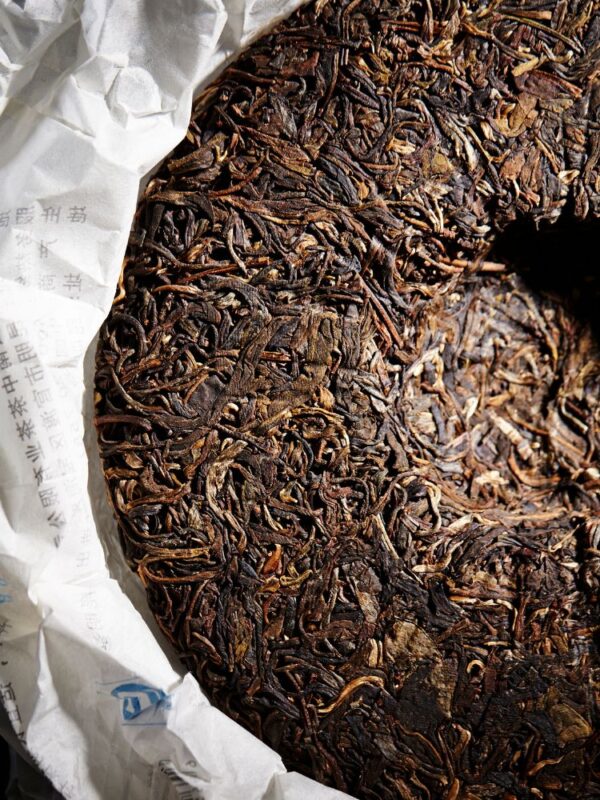
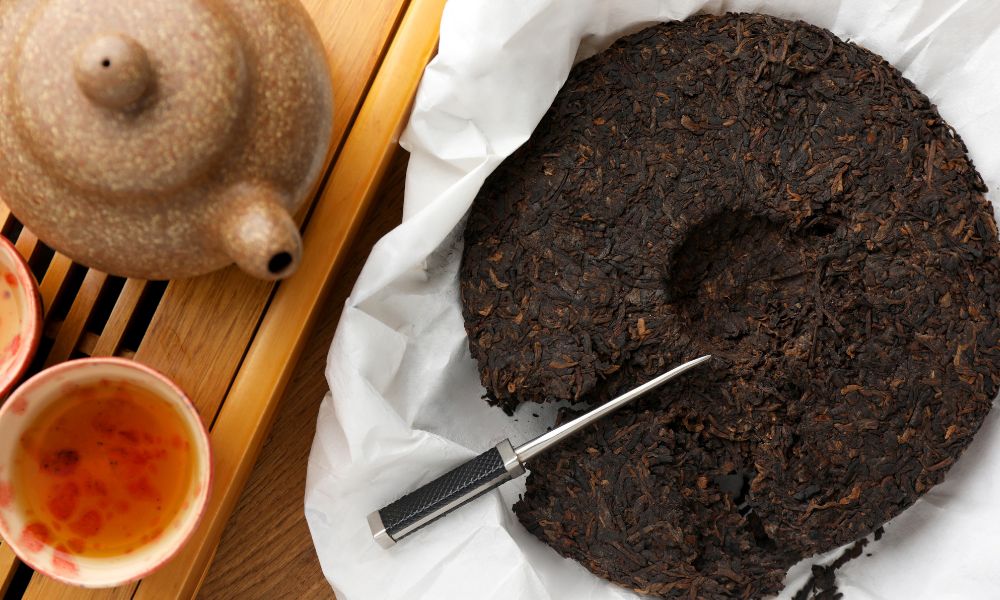
Raw pu-erh is the tea most people picture when they imagine dramatic aging: bitterness softening, sweetness deepening, new notes of dried fruit, honey and wood emerging over years.

Loading...
Price range: £4.50 through £55.00

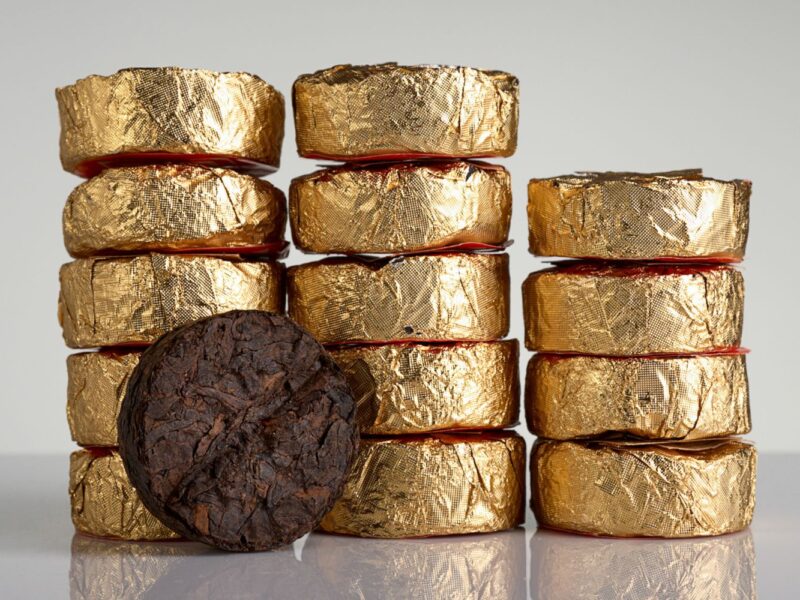
Ripe pu-erh’s journey is gentler, mainly about letting the sharper edges of processing settle rather than developing entirely new layers of flavour.

For in-depth understanding of the comparison between raw and ripe pu-erh, read our guide to Sheng vs Shou Pu-erh: The Raw vs Ripe Difference Explained Simply.

More Tea Myths Connoisseurs Roll Their Eyes At

“You can’t re-steep old tea many times”

Genuinely good aged pu-erh often supports more infusions than young tea, not fewer. Leaf integrity and quality matter far more here than age itself.

“A high price always means genuinely old, well-aged tea”

Price can reflect scarcity and marketing as much as quality. Some premium young pu-erh from excellent material and careful production is priced above mediocre aged tea. Age alone has never been a reliable shortcut for quality.

“Aged tea is basically a health cure”

Aged tea, pu-erh especially, sometimes gets framed as a wellness miracle. Enjoy it for what it demonstrably offers, remarkable depth of flavour and a fascinating story of transformation, rather than for exaggerated claims that outpace the evidence.

How to Spot Genuine Aged Quality

Whether you’re buying your first aged pu-erh or your fiftieth, a few simple checks separate real quality from a good story:

Check What to Look For
Smell the dry leaf first It should be complex and layered, never sour, dusty or musty.
Taste the early infusions Balanced, smooth and sweet is the goal; harsh, flat or unpleasant notes suggest poor material or poor storage, however old the label claims.
Check the aftertaste Quality aged tea tends to linger pleasantly rather than fading immediately or leaving an odd aftertaste.
Look at the spent leaf after brewing It should open cleanly and still show structure, a sign the original leaf quality was good enough to age well.
Buy from a source you trust Reputable sellers who can speak clearly about origin, storage and production are worth more than a striking age claim on a wrapper.

Frequently Asked Questions

No. This is one of the most common tea myths. Only certain teas, primarily pu-erh and a small number of dark oolongs and white teas, genuinely benefit from long-term aging. Green and delicate white teas are best enjoyed fresh.

It depends on the tea. Raw pu-erh from good material can improve for decades, though many drinkers find a sweet spot somewhere between 8 and 20 years. Ripe pu-erh typically reaches most of its potential within 3 to 10 years.

Not necessarily. Every tea has a peak, and quality and storage conditions influence the outcome far more than age alone. A well-stored, high-quality tea aged for a shorter time can outperform a poorly stored tea that’s decades old.

A musty or mouldy smell signals storage that was too humid or too sealed, not genuine aged character. Well-aged tea should smell clean and complex, never damp.

Experienced tasters can often estimate a rough range from texture, aroma and aftertaste, but precise age is difficult to confirm by taste alone. Provenance and a trustworthy source matter as much as the tasting itself.

Keep Learning

Aging is just one chapter in the much bigger story of tea.

For the full picture on origins, tea types and brewing technique, read our Complete  UK Guide to raw, riped, and aged Pu erh

explore our related articles

Teapro co-founder. Favourite tea - Long Jing Dragon Well Green Tea. Obsessed with film, photography and travelling.

No Comments

Post A Comment