Oolong Tea for Weight Loss: What the Research Really Says
Oolong tea for weight loss? If you have been searching for a natural, evidence-based way to support your weight loss journey, oolong tea keeps coming up – and for good reason.

This ancient Chinese tea sits in a fascinating middle ground between green and black tea, and the science behind its metabolic properties is genuinely compelling. But does oolong tea actually help with weight loss, or is it just another wellness trend dressed up in research language?


In this guide, we break down what the studies say, how does oolong tea for weight loss works in the body, and – crucially – how to get the most out of it.

At Teapro, we believe in education first: you deserve to understand what you are drinking and why. No hype. No artificial shortcuts. Just pure, single-origin oolong and honest answers. Explore our single-origin oolong teas if you are ready to brew with purpose.

Table of contents

What is Oolong Tea?

Oolong tea – also known as wu long tea – is made from the leaves of Camellia sinensis, the same plant used to produce green, white and black teas.

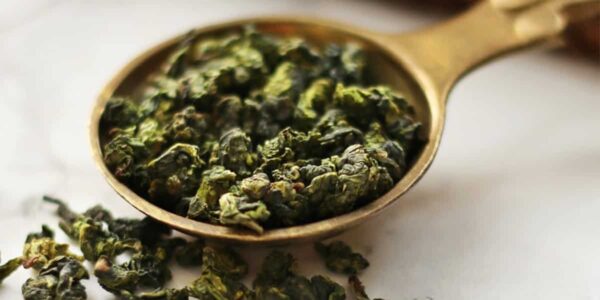
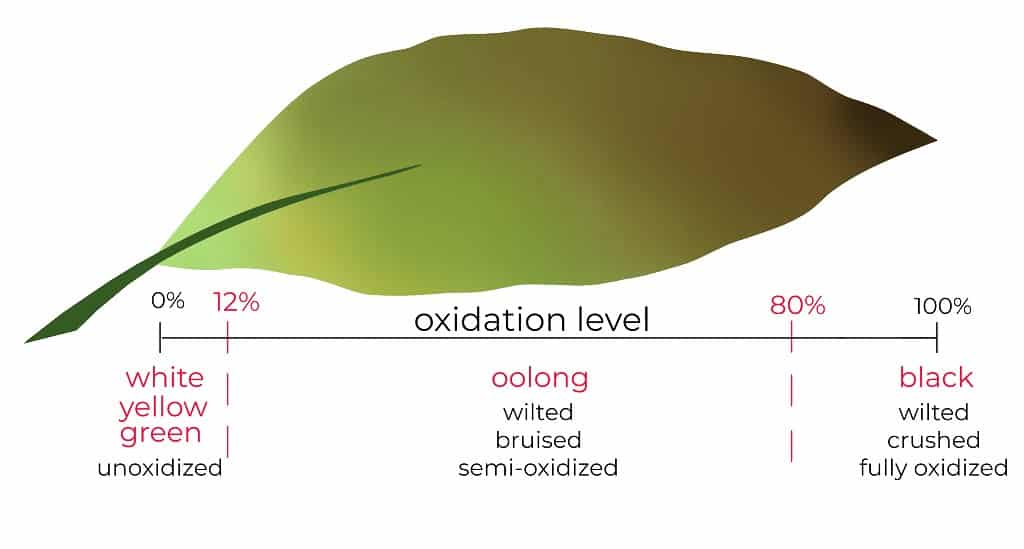
What makes oolong unique is the way it is processed: the leaves are partially oxidised, anywhere from 10% to 80%, placing it between unoxidised green tea and fully oxidised black tea in colour, flavour and chemical composition.

oxidation level oolong - Oolong tea for weight loss

This partial oxidation creates a complex flavour profile – floral, fruity, roasted, or honey-like depending on the cultivar and processing method. It also produces a unique cocktail of polyphenols, catechins and theaflavins that you simply do not find in the same combination in any other tea.

That is precisely why oolong has attracted serious scientific attention when it comes to metabolism and weight management.

At Teapro, we source only pure, single-origin oolong teas with no artificial flavourings added.

This matters for health research purposes too: the studies showing metabolic benefits are based on real, unadulterated oolong – not artificially flavoured blends.

The Science: How Oolong tea for weight loss works

Oolong tea supports weight management through three distinct but complementary mechanisms. Understanding these will help you appreciate why oolong is genuinely useful – and why it is not a magic solution on its own.

Thermogenesis – Burning More Calories at Rest

Research has consistently shown that oolong tea can increase resting energy expenditure – the rate at which your body burns calories even when you are not exercising.

Human trials have recorded a 3.4% increase in resting metabolic rate for up to two hours after consumption, which translates to an additional 60-100 calories burned per day for a typical adult. Over weeks and months, this adds up meaningfully.

Enhanced Fat Oxidation

Perhaps more impressive is oolong’s effect on fat oxidation – the process by which stored body fat is broken down and used for fuel.

A 2009 study published in the Chinese Journal of Integrative Medicine found that participants who drank oolong tea daily for six weeks experienced a 12% increase in fat-burning rates compared to the control group.

Separate short-term trials suggest fat oxidation can increase by up to 20% within two hours of drinking oolong. The polyphenols in oolong activate enzymes responsible for breaking down triglycerides – essentially signalling your body to burn stored fat more efficiently.

Inhibiting Fat Absorption

Oolong contains polymerised polyphenols – compounds unique to partially and fully oxidised teas – that inhibit pancreatic lipase, an enzyme responsible for breaking down dietary fats in the gut.

Studies suggest this can reduce fat absorption by up to 9%. In practical terms, a small portion of the fat you eat may pass through your digestive system without being fully absorbed.

Loading...
lan gui ren - 5 best oolong teas for beginners in the UK
Price range: £4.95 through £70.00
magic tea gift box - tea gift sets - tea gifts
Price range: £20.00 through £37.00
jin xuan milk oolong - 5 best oolong teas for beginners in the UK
Price range: £5.50 through £75.00
Price range: £4.95 through £70.00

Key Compounds at Work

What makes oolong tea so interesting from a research perspective is its unique compound profile – a blend you do not find in green or black tea alone:

The fat-burning compounds in oolong tea:
EGCG (epigallocatechin gallate) A powerful catechin shared with green tea. Works synergistically with caffeine to stimulate thermogenesis and prolong fat-burning effects.
Theaflavins and theasinensins Polymerised polyphenols formed during partial oxidation. Largely unique to oolong and black teas, they are responsible for the lipase inhibition effect.
Caffeine At around 30-50mg per cup (lower than coffee), oolong provides enough caffeine to activate beta-adrenergic fat-burning pathways without the jitteriness of stronger stimulants.
L-theanine An amino acid that smooths out the caffeine effect, providing focused energy rather than spikes and crashes. It also supports cortisol regulation, which matters because high cortisol can promote fat storage.
AMPK activation Newer research points to oolong polyphenols activating AMPK (adenosine monophosphate-activated protein kinase), often called the body's metabolic master switch. When activated, it shifts the body towards burning molecules for energy rather than storing new fat.

What the Research Tells Us – at a Glance

Benefit What the research shows Practical impact
Metabolic boost +3.4% resting energy expenditure ~60-100 extra calories/day
Fat oxidation Up to 12-20% increase More stored fat used for fuel
Fat absorption Pancreatic lipase inhibited by ~9% Slightly less dietary fat absorbed
Body fat % Modest reduction over 6+ weeks Best alongside diet and exercise
Energy expenditure +10% for ~2 hours post-consumption Especially useful pre-exercise

What the Research Actually Shows

Let us be precise about what the studies demonstrate – and their limitations.

What the evidence supports:
Metabolic rate Increased resting metabolic rate (3-3.4%) for up to two hours after consumption.
Fat oxidation Enhanced fat oxidation, particularly when combined with light exercise.
Body weight and fat Modest but statistically significant reductions in body weight and body fat percentage over 6+ weeks of regular consumption.
2020 meta-analysis A 2020 meta-analysis in the International Journal of Obesity found that tea enriched with catechins produced an average reduction of around 1.15 kg in body weight compared to control groups.
Population studies Long-term habitual tea drinkers show consistently lower body fat percentages in population studies.
What the evidence does not support:
Oolong alone Dramatic weight loss from oolong alone without dietary changes.
A diet replacement Oolong as a replacement for a balanced diet and regular exercise.
Laxative 'detox teas' Commercial 'detox teas' that contain oolong mixed with laxatives - these produce temporary water weight loss only and can be harmful.

The honest summary: oolong tea is a scientifically backed metabolic support tool, not a weight loss miracle. Used consistently alongside a nutritious diet and regular movement, the evidence for genuine benefit is solid.

Oolong vs Green Tea for Weight Loss

This is a common question – and the answer is nuanced. Green tea has higher levels of EGCG, making it marginally superior for overall antioxidant activity.

Oolong, however, contains a broader spectrum of polymerised polyphenols thanks to partial oxidation, which may give it a slight edge specifically for fat oxidation and lipase inhibition.

In one Journal of Nutrition study, oolong raised fat oxidation by around 12%, and a later randomised controlled trial found that oolong stimulated fat oxidation even when separated from caffeine – suggesting the tea’s own polyphenols are doing the work.

That said, current research suggests the two teas are broadly comparable for metabolic benefits, and any difference is likely too small to make a meaningful choice between them based on fat loss alone. What matters more is quality, consistency and how you brew it.

At Teapro, we encourage you to choose the tea you genuinely enjoy drinking, because consistency is the real driver of results.

Wondering whether oolong or green tea is the better choice? Read our complete Oolong vs Green Tea guide.

Loading...
Da Hong Pao Oolong - 5 best teas for beginners in the UK
Price range: £6.00 through £69.00
Dragon Well Longjing Green Tea - Long Jing Chinese Green Tea
Price range: £5.00 through £185.00

How to Brew Oolong Tea for Best Results

Brewing method matters – not just for flavour, but for preserving the polyphenols that drive oolong’s health benefits.

Here is how to do it properly:

Brewing step What to do and why
Water temperature 85-95 degrees Celsius. Boiling water can damage delicate polyphenols and catechins - especially in lighter, greener oolongs.
Leaf quantity Use around 2-3g (approximately one heaped teaspoon) per 200ml of water.
Steeping time First steep: 2-3 minutes. High-quality loose leaf oolong can be re-steeped 3-5 times - each subsequent steep releasing different compounds and flavour notes.
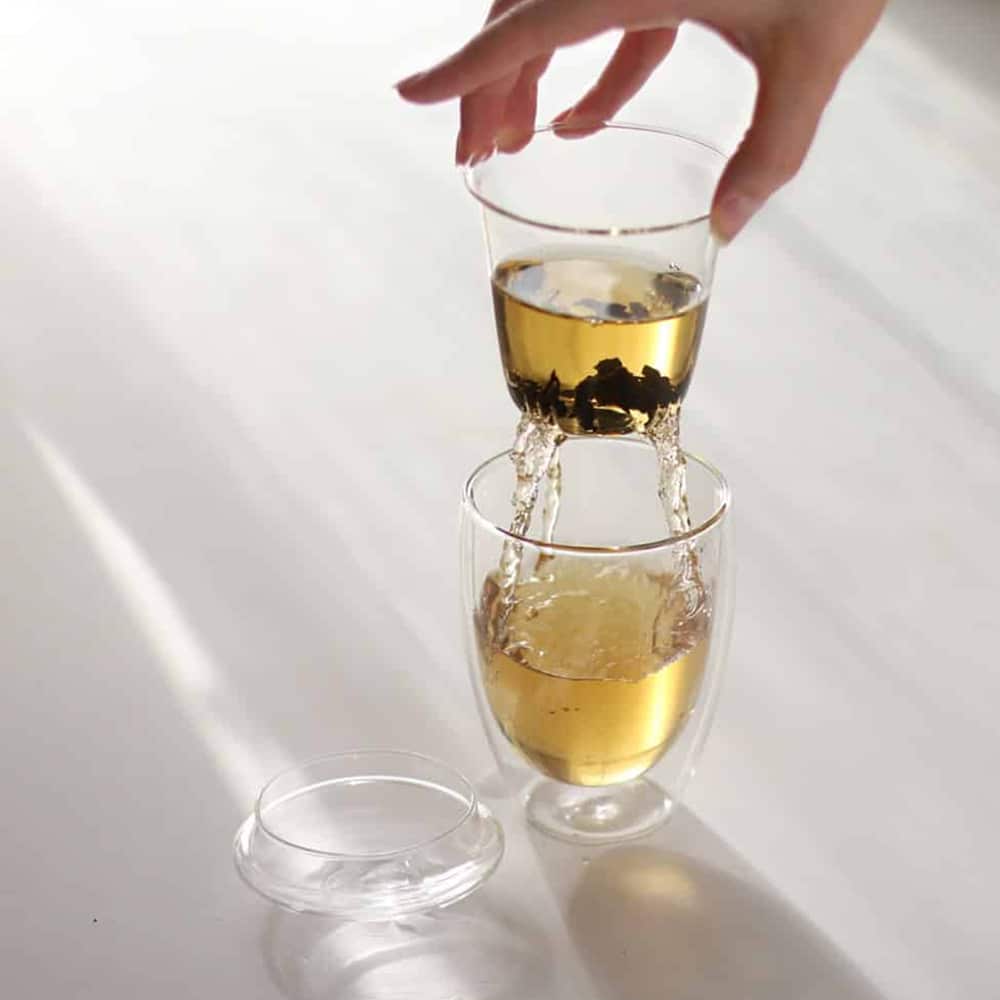
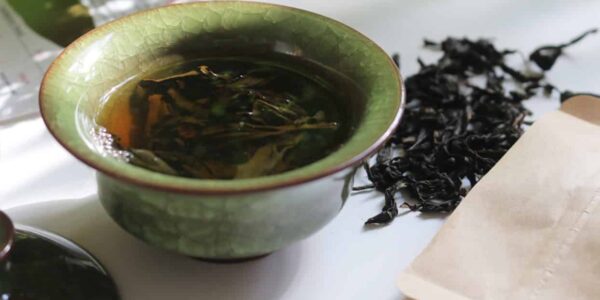
Vessel A small gaiwan (lidded bowl) or Yixing clay pot is traditional and ideal. A standard teapot or infuser works perfectly well too.
Timing Drink between meals - around 30-60 minutes before or after eating - to optimise the metabolic and lipase-inhibiting effects without gastric irritation.

For guidance on brewing technique, explore our full collection of oolong and wu long teas at Teapro, each with tasting notes and brewing instructions included in the box.

Loading...
Price range: £26.50 through £34.50
tea strainer- tea infuser
Price range: £17.99 through £64.00

How Much Should You Drink?

Most research points to 2-3 cups per day as the optimal amount – spaced across the day rather than consumed all at once. This provides a consistent metabolic nudge without excessive caffeine intake.

A practical approach might look like this:

When What to drink
Morning One cup before or with a light breakfast - a good substitute for a second coffee.
Mid-morning or lunchtime One cup around 30 minutes before your main meal.
Afternoon One cup in the mid-afternoon, ideally no later than 3-4pm if you are caffeine-sensitive.

Avoid drinking oolong tea in the late evening. The caffeine content, though moderate, can disrupt sleep quality – and poor sleep is a documented risk factor for weight gain and hormonal imbalance, counteracting any metabolic benefit.

For a deeper dive into optimal intake across different teas, see our science-backed guide to how much tea you should drink a day.

Loading...
jin xuan milk oolong - 5 best oolong teas for beginners in the UK
Price range: £5.50 through £75.00
lan gui ren - 5 best oolong teas for beginners in the UK
Price range: £4.95 through £70.00
magic tea gift box - tea gift sets - tea gifts
Price range: £20.00 through £37.00

The Honest Truth: What Oolong Can and Cannot Do

We believe in teaching you to understand your tea – not in overselling it.

So here is the honest picture:

Oolong tea is a genuinely useful tool for weight management. The science supports modest but real metabolic benefits – more calories burned at rest, more fat oxidised for fuel, and a slight reduction in dietary fat absorption.

Drinking 2-3 cups daily may add up to around 60-100 extra calories burned per day, and improved fat utilisation over weeks.

Oolong tea is not a shortcut. The studies are most compelling when oolong is combined with nutritious eating and regular movement. It amplifies a healthy lifestyle – it does not replace one.

The quality of your oolong matters too. Artificially flavoured tea blends – whatever their marketing claims – are not the teas studied for these metabolic benefits.

When you choose pure, single-origin loose leaf oolong, you are getting the real chemical profile that the research was built on.

This is what drives everything we do at Teapro. If you are ready to explore the real thing, start with our oolong tea collection – and discover what pure, unadulterated oolong actually tastes like.

Frequently Asked Questions

Research suggests oolong tea can support weight management by boosting metabolism, increasing fat oxidation, and inhibiting some fat absorption. Studies show modest but real reductions in body weight and fat percentage with regular consumption of 2-3 cups daily. It works best alongside a healthy diet and exercise – it is a meaningful support tool, not a standalone solution.

Most studies use 2-3 cups (500-750ml) per day, spaced across the morning and afternoon. Drinking it between meals – 30-60 minutes before or after eating – appears to maximise metabolic benefits. Avoid late-evening consumption due to caffeine content.

They are broadly comparable. Green tea has higher EGCG levels, while oolong has a broader polyphenol profile due to partial oxidation, which may give it a slight edge for fat oxidation specifically. The most important factor is drinking whichever high-quality, unflavoured tea you will actually drink consistently.

Studies show a measurable increase in energy expenditure within approximately 30-60 minutes of consumption, peaking in the first 1-2 hours. This is why spacing consumption throughout the day is recommended – to maintain a sustained metabolic effect.

Oolong tea contains moderate caffeine – around 30-50mg per cup, significantly less than coffee. Many caffeine-sensitive people tolerate it well, especially when paired with L-theanine (naturally present in oolong), which smooths the stimulant effect. Avoid drinking it after 3-4pm, and consider starting with one cup per day to gauge your response.

Yes – significantly. The metabolic benefits in research are based on pure, unblended oolong with its natural polyphenol profile intact. Artificially flavoured teas may dilute or alter these compounds. Single-origin loose leaf oolong is the closest to what the research tested.

Yes. Wu long and wulong are alternative romanisations of the Chinese name for oolong tea. They refer to exactly the same tea – the terms are interchangeable.

Ready to Brew the Real Thing?

Every Teapro oolong is pure, single-origin and naturally processed – no artificial flavourings, no shortcuts. Each box includes brewing instructions and tasting notes so you can build real knowledge with every cup.

Explore our oolong and wu long tea collection and start your journey from tea drinker to tea pro.

Loading...
Loading...
teapro oolong tea gift box
Price range: £21.00 through £38.00
No Comments

Post A Comment