Oolong Tea Benefits: What the Science Actually Says
Oolong tea sits in a category of its own. Partially oxidised – somewhere between the freshness of green tea and the depth of black – it is one of the most complex, nuanced, and scientifically interesting teas in the world. It is also one of the most misrepresented. 


Search for oolong tea benefits online and you will find bold claims. Fat-burning miracle. Diabetes cure. Skin transformer. The reality is more interesting than any of those headlines – and more honest, too.
 

At Teapro, we believe in letting the leaf speak for itself – and that means applying the same standard to health claims as we do to flavour.

So in this guide, we are going to walk through what the research actually shows about oolong tea benefits, what the evidence strength looks like for each area, and what you can realistically expect if you make high-quality, pure oolong part of your daily ritual. 

No exaggeration. No cherry-picked studies. Just what the science actually says. 

What Is Oolong Tea? 

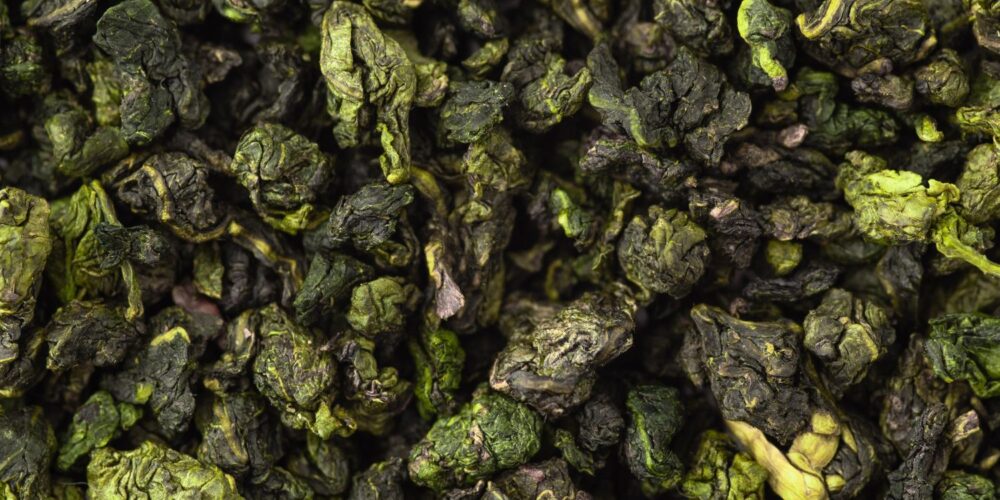
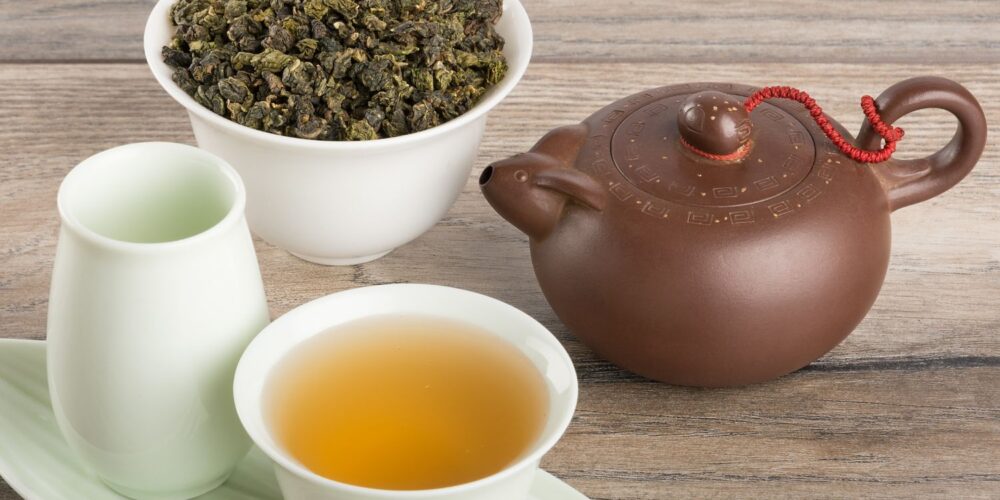
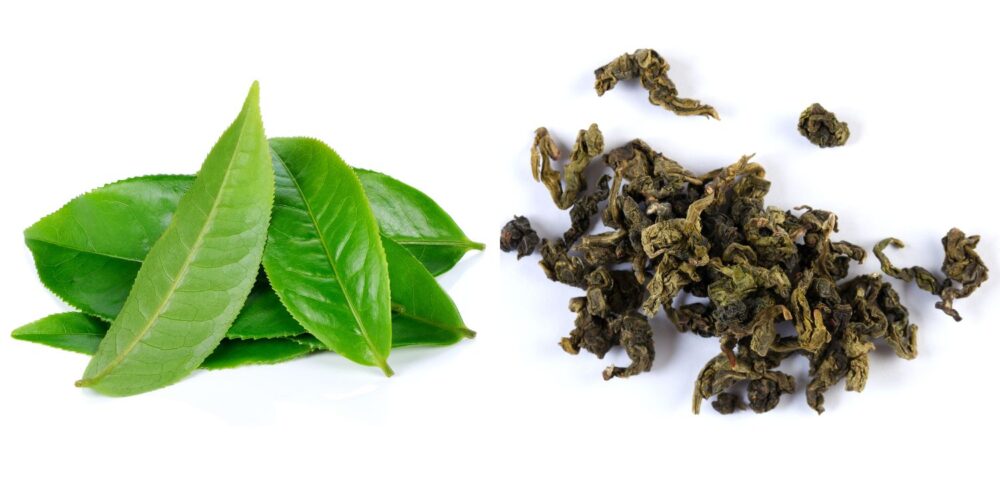
Oolong tea – sometimes spelled wulong or wu long – is a traditional Chinese tea that has been partially oxidised. Oxidation is the process that turns a green tea leaf into a black tea leaf. Oolong sits deliberately in between, with oxidation levels typically ranging from around 15% to 85% depending on the style. 

If you are new to this style of tea and want a deep dive into its origins, processing, and cultural history, check out our complete guide on Oolong tea.

This partial oxidation is not an accident or a compromise. It is a precise, skillful process that gives oolong its extraordinary range.

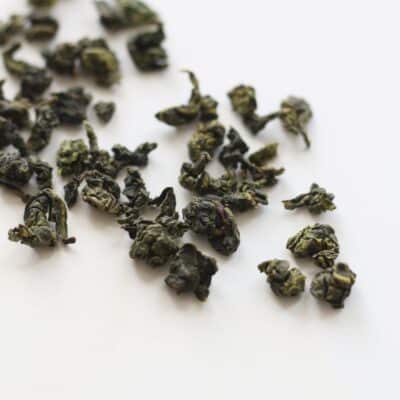
A lightly oxidised oolong from Taiwan can taste floral and butter-soft, almost green.

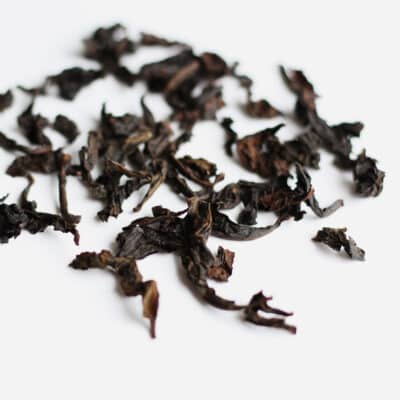
A heavily oxidised oolong from Wuyi in China can be rich, roasted, and mineral-deep. Both are oolong. Both are genuinely different. 


what is oolong tea oolong tea benefits

The most celebrated oolong-producing regions include: 

  • Fujian province, China – home of Da Hong Pao and Tie Guan Yin 
  • Wuyi Mountains, China – the source of distinctive rock or cliff oolongs 
  • Taiwan – famous for High Mountain oolongs and Dong Ding 
  • Guangdong province, China – home of Phoenix (Dan Cong) oolongs

You can explore our full range of single-origin oolong teas every tea we stock is sourced pure – no artificial flavourings, no blending to mask inferior leaves. 

How Oolong Tea Is Made – and Why It Matters for Benefits

The health benefits of oolong tea are directly connected to how it is made. Understanding the production process helps you understand why the research findings look the way they do. 

After picking, oolong leaves go through a deliberate sequence: withering in sunlight, indoor withering to begin oxidation, repeated tumbling or tossing to bruise the leaf edges (where oxidation concentrates), firing to arrest the process at the right moment, rolling, and final drying. 

Because oolong spans such a vast spectrum of processing styles, the exact ratio of health-supportive compounds changes depending on how long the leaves were allowed to oxidise. To better understand how these crafting choices affect the final cup, you can read our beginners guide to oxidation levels in light vs dark oolong.

how oolong tea is made - oolong tea benefits

This process preserves a distinct set of polyphenols and antioxidants that differ from both green and black tea. Green tea retains more catechins – particularly EGCG – because oxidation is minimal.

Black tea converts most catechins into theaflavins and thearubigins through full oxidation. Oolong retains a mixture of both, along with unique partially oxidised compounds called oolong tea polyphenols (OTPs). 

The nuance here matters: oolong tea is not simply a weaker green tea or a lighter black tea. It has its own distinct chemical profile – which is precisely why it has attracted its own body of research. 

The Key Compounds in Oolong Tea 

Before looking at specific benefits, it helps to understand what is actually in the cup.

CompoundWhat it is and why it matters
PolyphenolsA broad family of plant antioxidants, including catechins, theaflavins, and oolong-specific partially oxidised polyphenols
EGCG (Epigallocatechin gallate)The most studied catechin; present in oolong but at lower concentrations than green tea
L-theanineAn amino acid found almost exclusively in tea plants; promotes calm focus and modulates caffeine
CaffeineTypically 30-50mg per cup - lower than coffee, higher than most herbal teas
PolysaccharidesComplex carbohydrates associated with blood sugar regulation
FluorideNaturally occurring mineral with implications for dental and bone health
Theanine + caffeine combinationThis pairing is well-established as producing a uniquely focused, calm-alert mental state


The precise levels of each compound vary significantly based on oxidation level, origin, growing conditions, and brewing method. This is one reason that tea research is inherently complex – it is difficult to standardize.
 

Loading...
Price range: £5.50 through £75.00
teapro oolong tea gift box
Price range: £21.00 through £38.00
Price range: £5.00 through £60.00

Oolong Tea Benefits: What the Science Says 

Metabolism and Weight Management 

This is the benefit most commonly cited in oolong marketing – and the research is genuinely interesting, though it is often overstated. 

Several studies have found that oolong tea can increase energy expenditure and fat oxidation. A landmark 2001 study published in the Journal of Nutrition found that participants who drank oolong tea burned significantly more calories than those drinking plain water – and more than those drinking green tea, which was surprising given green tea’s higher EGCG content. 

A 2003 Chinese study found that regular oolong consumption was associated with reductions in body fat and body weight over a six-week period. More recently, a 2020 meta-analysis looked at tea consumption broadly and found consistent associations between tea drinking and lower BMI, with oolong producing results comparable to green tea. 

oolong tea benefits

Honest context: the metabolic effects of oolong are real but modest. We are talking about a meaningful contribution to a healthy lifestyle – not a replacement for one. The research supports oolong as a genuinely useful tool, not a magic solution. 

Blood Sugar Regulation 

The evidence here is among the more compelling in oolong research. Oolong tea polysaccharides have been studied for their ability to inhibit the enzyme alpha-glucosidase, which is responsible for breaking down carbohydrates into glucose. Slowing this process means a more gradual rise in blood sugar after eating. 

A 2003 study in Diabetes Care found that type 2 diabetics who drank oolong tea alongside their existing medication saw a meaningful reduction in blood glucose levels compared to the control group. A 2019 review in the journal Nutrients confirmed that tea polyphenols more broadly are associated with improved insulin sensitivity. 

This does not mean oolong tea treats or prevents diabetes – the research is not at that level of certainty. But the evidence that it supports healthy blood sugar management is consistent and growing.

oolong tea benefits - blood sugar - black tea benefits

Heart Health 

Cardiovascular benefits are associated with tea drinking in general, and oolong is no exception. The flavonoids and polyphenols in oolong tea have been linked to reductions in LDL cholesterol oxidation, improved arterial function, and lower blood pressure. 

A large-scale Japanese study published in 2011 tracked over 76,000 adults and found that those who drank oolong tea regularly had a significantly lower risk of cardiovascular events.

Observational studies of this scale cannot prove causation, but the association is consistent across multiple populations. 

More mechanistic research suggests that oolong polyphenols may help protect LDL cholesterol from oxidation – a key step in the development of arterial plaque. This is an area where the evidence is moderate and genuinely promising.

oolong tea benefits - heart health

Cognitive Focus and Mental Clarity 

This is one of the best-evidenced benefits of tea in general – and the mechanism is well understood. L-theanine and caffeine work synergistically to produce a state of calm alertness that is qualitatively different from caffeine alone. 

L-theanine promotes alpha wave activity in the brain – the same state associated with relaxed focus. Caffeine provides stimulation. Together, they produce sustained attention without the jitteriness or crash associated with coffee.

Multiple human trials have confirmed this effect, and it is now considered well-established in nutritional neuroscience. 

Oolong tea contains both compounds in proportions that many people find ideal – enough caffeine for a genuine lift (typically 30-50mg per cup), with sufficient L-theanine to smooth the edges.

The result is a mental state that is particularly well-suited to focused work, reading, or creative thinking.

This is one reason that many people who move away from coffee find oolong such a satisfying replacement. The energy is there – it just comes without the anxiety. 

focus and mental clarity

Antioxidant Protection 

The antioxidant content of oolong tea is substantial – though different in character from green tea. The mix of catechins and partially oxidised polyphenols gives oolong a broad antioxidant profile that has been associated with protection against oxidative stress. 

Oxidative stress is linked to cellular ageing, inflammation, and the development of chronic disease. Multiple studies have confirmed that regular tea consumption is associated with higher antioxidant activity in the blood, reduced markers of inflammation, and lower oxidative damage to cells and DNA. 

The evidence that antioxidants from dietary sources (like tea) meaningfully reduce disease risk is more nuanced than supplement marketing tends to suggest – but the association with regular tea consumption and reduced inflammatory markers is consistent across the literature. 

antioxidant-pwerhouse

Bone Density 

Several observational studies have found associations between long-term tea consumption and higher bone density, particularly in older women.

The proposed mechanisms include the fluoride content of tea (which is incorporated into bone and tooth mineral), and the polyphenols, which may reduce bone breakdown. 

A 2002 study in the Archives of Internal Medicine found that women who had drunk tea habitually for 10 or more years had significantly higher bone mineral density than non-tea drinkers.

The research is observational rather than interventional, and it is not specific to oolong – but it is consistent. 

This is a promising area where the evidence is preliminary rather than conclusive. It is worth noting without overstating.

bone health

Dental Health 

The fluoride in oolong tea is well established as beneficial for dental enamel. Beyond fluoride, the catechins and polyphenols in oolong have been shown in lab studies to inhibit the growth of bacteria associated with tooth decay and gum disease, particularly Streptococcus mutans. 

This does not mean drinking oolong replaces dental hygiene – but the evidence that it contributes to oral health as part of a balanced approach is reasonable. This is one area where drinking tea unsweetened matters significantly. 

dental health

Gut Health and the Microbiome 

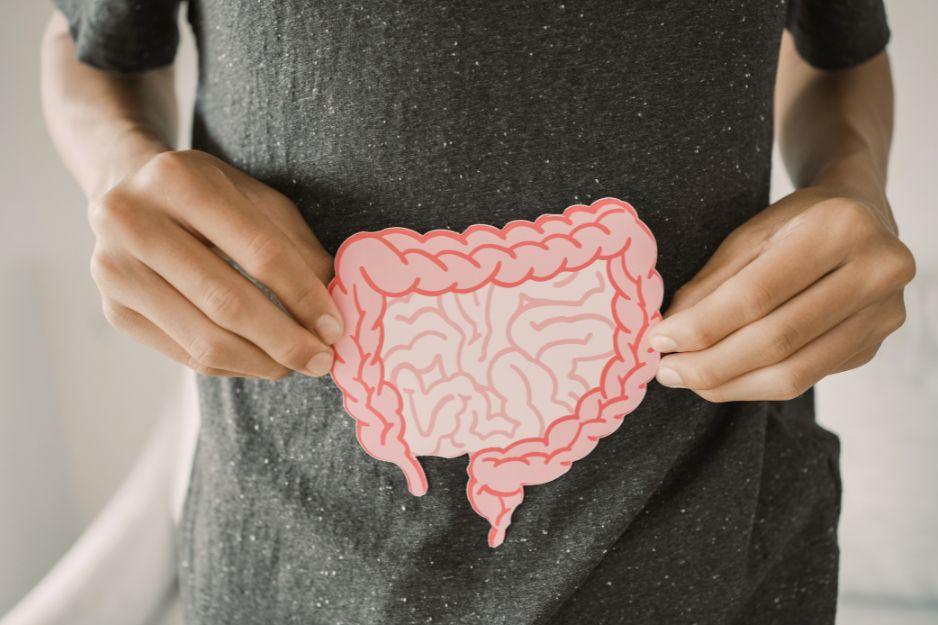
This is perhaps the most exciting emerging area of tea research. The polyphenols in oolong tea – particularly those not absorbed in the upper digestive tract – reach the colon where they act as prebiotics, selectively feeding beneficial bacteria. 

Early research suggests that regular tea consumption may increase populations of beneficial Lactobacillus and Bifidobacterium species, while reducing populations of potentially harmful bacteria.

A 2019 review in the European Journal of Nutrition highlighted polyphenol-rich beverages as promising modulators of gut microbiome composition. 

This is a rapidly developing field. The research is promising but still early – and most studies have been in animal models or small human populations. The mechanism is credible, the early signals are positive, and this is worth watching. 

gut health tea benefits

Oolong Tea Benefits Summary

Benefit Area Key Compounds Evidence Strength
Metabolism Support EGCG, caffeine, polyphenols Moderate - multiple human trials
Blood Sugar Regulation Polysaccharides, antioxidants Moderate - promising results
Heart Health Flavonoids, polyphenols Moderate - observational studies
Cognitive Focus L-theanine + caffeine Strong - well-established combination
Antioxidant Protection EGCG, theaflavins, catechins Strong - well-established
Bone Density Fluoride, polyphenols Preliminary - more research needed
Dental Health Fluoride, catechins Moderate - lab and observational
Gut Microbiome Polyphenols as prebiotics Preliminary - emerging field

What Oolong Tea Cannot Do 

Intellectual honesty matters here. The internet is full of oolong health claims that go well beyond what the evidence supports. For the record: 

  • Oolong tea does not cure or treat diabetes, heart disease, or cancer 
  • The weight loss effects are modest – meaningful as a lifestyle support tool, not as a primary intervention 
  • Most research uses standardised extracts or very high quantities that do not reflect normal tea drinking 
  • The effects of tea compounds in the body are significantly influenced by individual genetics, gut microbiome composition, and overall diet 
  • Drinking oolong with added sugar, milk, or sweeteners reduces several of the proposed benefits


The honest picture is this: oolong tea is a genuinely health-supportive drink with a strong evidence base in several areas – particularly cognitive focus, antioxidant protection, and blood sugar regulation. It is not a medicine. But it is a meaningful contribution to a health-conscious lifestyle, particularly as a replacement for coffee or sugary drinks.

Loading...
Price range: £4.95 through £70.00
Price range: £5.50 through £75.00
magic tea gift box - tea gift sets - tea gifts
Price range: £20.00 through £37.00

How to Get the Most Benefit from Oolong Tea 

The quality and preparation of your oolong significantly affects what you get from it. A highly processed tea blended with artificial flavourings will have a very different compound profile from a pure, single-origin loose leaf oolong brewed correctly. This is not a minor distinction.

how to get the most benefit from oolong tea oolong tea benefits

Brew it properly 

  • Water temperature: 85-95 degrees C – cooler for lighter oolongs, hotter for roasted styles 
  • Quantity: 3-5g per 200ml for Western-style brewing 
  • Steep time: 2-4 minutes – taste as you go 
  • Re-steep: quality oolong gives 3-5 excellent infusions. Later steeps often reveal the deepest flavour 
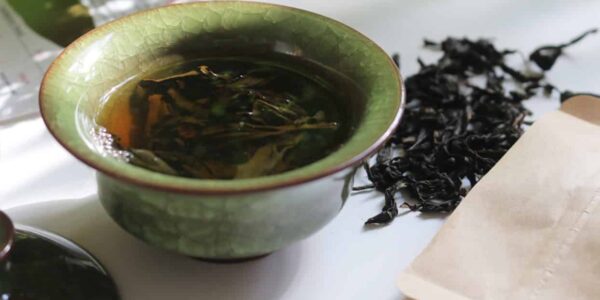
  • Vessel: ceramic or porcelain; gaiwan for traditional Chinese-style brewing 


Drink it without additives
 

Adding sugar or sweeteners reduces the bioavailability of tea polyphenols. Milk may bind to some compounds and reduce their absorption. For maximum health benefit – and to taste what the leaf actually is – drink oolong without additions. 

Choose pure, single-origin oolong 

Artificial flavourings are not just a flavour issue – they are a health issue. When a tea is blended with synthetic additives, the leaf itself is often of lower quality, and the compounds you are drinking are a mixture of the leaf and the additive. At Teapro, we source single-origin oolongs with no artificial flavourings, because the integrity of the leaf is everything. 

Drink it consistently 

The research on tea benefits is almost universally based on regular, habitual consumption – not occasional cups. Two to four cups daily over weeks and months is where the evidence base sits. 

Oolong vs Green Tea: Which Is Better for You? 

This is a question we get a lot. The honest answer is: they are different, not hierarchical. 

Feature Green Tea Oolong Tea
Antioxidant Profile
Higher EGCG concentration Contains peak levels of the most-studied individual catechin.
Broader polyphenol profile Features unique, partially oxidised compounds formed during processing.
Metabolic Impact Strong focus on individual catechin-driven metabolic and anti-inflammatory pathways. Contains specific polysaccharides closely associated with blood sugar regulation.
Caffeine & Cognition Generally lower caffeine levels, offering a smooth, classic green tea alertness.
Higher caffeine content The caffeine and L-theanine balance delivers a distinct, focused cognitive effect.
Flavour Experience Primarily fresh, vegetal, and clean flavour characteristics.
Exceptional complexity Ranges widely from bright florals to heavily roasted and mineral-deep notes.

If you are specifically optimising for one health outcome, the research might nudge you toward one or the other. But if you are looking for a daily tea that is genuinely health-supportive, delicious, and endlessly interesting to explore – oolong is an exceptional choice. 

Want to go deeper? Our green tea guide covers everything you need to know.

Loading...
Price range: £5.00 through £60.00
Loading...
Monkey King Green Tea
Price range: £7.00 through £32.00

Frequently Asked Questions 

The most well-evidenced benefits of oolong tea include antioxidant protection, support for cognitive focus (through the L-theanine and caffeine combination), assistance with blood sugar regulation, modest support for metabolism and weight management, and potential benefits for heart health. The strength of evidence varies by area – focus and antioxidant effects are well-established, while some other benefits are promising but still developing. 

Most of the research is based on regular, habitual consumption – typically two to four cups per day over extended periods. Occasional drinking is enjoyable but the cumulative health effects appear most clearly in studies tracking consistent, daily tea drinkers over weeks or months. 

There is genuine research showing that oolong tea can modestly increase energy expenditure and fat oxidation. The effects are real but not dramatic – think of oolong as a meaningful contributor to a health-conscious lifestyle rather than a standalone solution. The studies showing the most positive results involved regular drinking of pure, high-quality tea without added sugar. 

The L-theanine in oolong tea has well-established calming properties that counterbalance the stimulating effect of caffeine. Many people find oolong produces a calm, focused energy that does not trigger the anxiety associated with coffee. If you are sensitive to caffeine, a lightly oxidised oolong brewed at a lower temperature for a shorter time will reduce caffeine extraction. 

Yes – and most of the research on oolong tea benefits is based on exactly that. Daily oolong drinking is associated with positive health outcomes across multiple studies. As with any caffeinated beverage, personal tolerance varies – but for most healthy adults, two to four cups per day is well within a reasonable range. 

Neither is objectively better – they have different compound profiles and evidence bases. Green tea has higher EGCG; oolong has unique partially oxidised polyphenols and polysaccharides that have been associated with blood sugar regulation. Both are genuinely health-supportive. If you are going to drink tea consistently every day, the better tea is the one you most enjoy. 

Yes. Oolong tea contains roughly 30-50mg of caffeine per cup, depending on the style, brewing temperature, and steep time. This is lower than coffee (typically 80-100mg per cup) and most black teas, but higher than most herbal teas. The L-theanine in oolong modulates the effect of the caffeine, producing a smoother, more sustained energy without the peaks and crashes common with coffee. 

For most healthy adults, oolong tea consumed in normal quantities is very well tolerated. Drinking large amounts – more than six or seven cups a day – may cause caffeine-related effects such as disrupted sleep or increased heart rate in sensitive individuals. The tannins in oolong can reduce iron absorption from plant-based foods if drunk immediately with meals; waiting 30-60 minutes after eating is a simple way to avoid this. 

Yes – significantly. Research typically uses standardised extracts or high-quality whole leaf tea. A heavily processed oolong blended with artificial flavourings and inferior leaf will have a very different polyphenol profile from a pure, single-origin loose leaf oolong. The integrity of the leaf matters for flavour – and for the compounds that contribute to the health benefits. 

Explore Pure Oolong Tea at Teapro 

All oolong teas in the Teapro oolong collection are sourced as single-origin loose leaf, with no artificial flavourings. We believe that the benefits of oolong tea start with the quality and integrity of the leaf itself – which is why we source ours with the same care we apply to every other tea in our range. 

Every purchase also comes with education built in – brewing guides, tasting notes, and origin information to help you understand what you are drinking. That is how we turn tea drinkers into tea pros.  

If you want to explore oolong as part of a structured educational journey through all twelve tea types, our 12-box Become a Teapro subscription includes a dedicated oolong month – with the context, the history, and the brewing knowledge to get everything from the leaf. 

Loading...
Loading...
teapro oolong tea gift box
Price range: £21.00 through £38.00
No Comments

Post A Comment