21 Sep Hibiscus Tea Benefits: What Roselle Tea Actually Does for Your Body
Hibiscus tea benefits are searched more than almost any other herbal tea topic, and for good reason.
This tart, bright red tisane goes by many names depending on where you are, roselle, jamaica, karkade, sorrel, zobo, but the plant behind all of them is the same, and so is the growing body of research into what it actually does.
This guide separates what is genuinely well supported from what is still early or overstated, covers hibiscus tea uses beyond the cup, and looks honestly at hibiscus tea side effects too.
Table of Contents
What is Hibiscus tea?
Hibiscus Tea benefits at a glance
Antioxidants, Vitamin C and Hibiscus Tea uses
Hibiscus tea and Blood pressure: What the research shows
Hibiscus tea for weight loss
Hibiscus tea and blood sugar
Hibiscus tea and diabetes: what you should know
Hydration, Digestion and other traditional Uses
Liver Health: What we actually know
What about cancer-fighting and antibacterial headlines?
Hibiscus tea side effects and who should be careful
How to brew Hibiscus tea
Frequently asked questions
Enjoy Hibiscus tea for what it genuinely offers
What Is Hibiscus Tea?
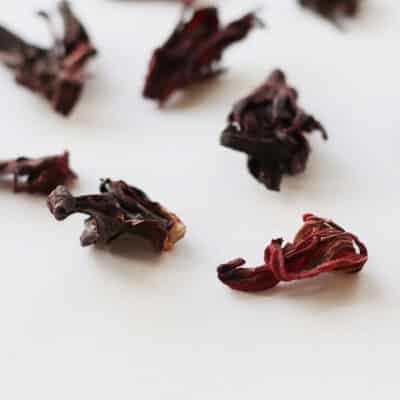
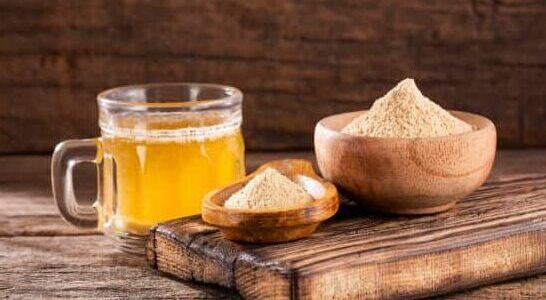
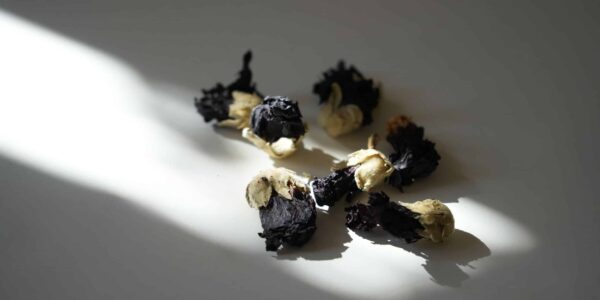
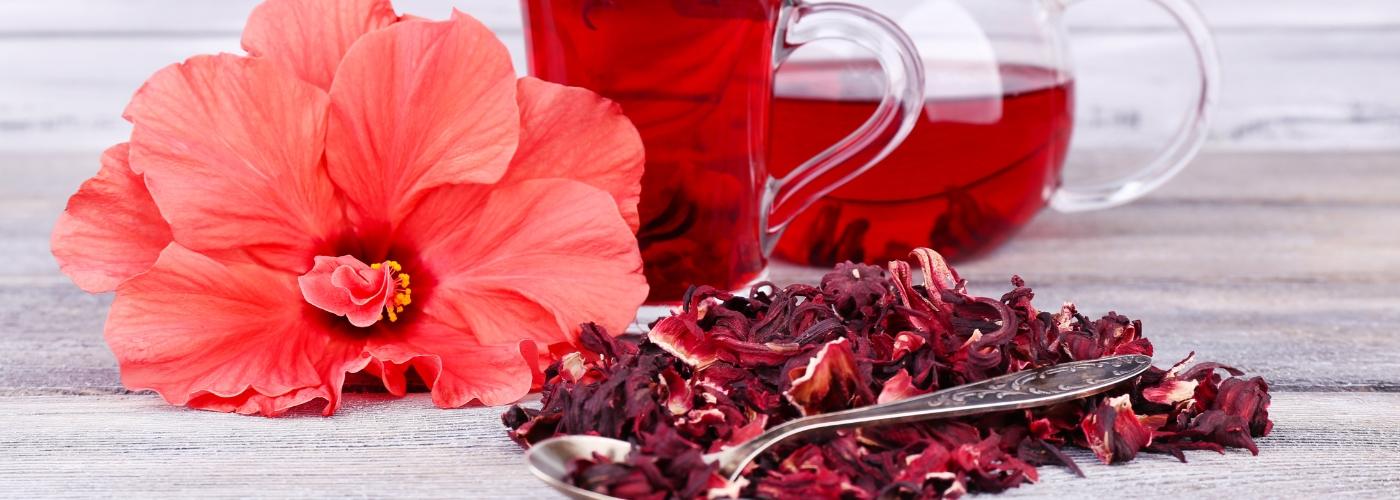
Hibiscus tea is made from the dried calyces, the petal-like structures surrounding the seed pod, of Hibiscus sabdariffa.
It is naturally caffeine-free and has a distinctly tart, cranberry-like flavour, which is why it is often sweetened or blended with other fruits and herbs.
It is known by different names depending on the region: roselle across much of Africa and Asia, jamaica in Mexico and Central America, karkade in Egypt and Sudan, sorrel in the Caribbean, and zobo in Nigeria.
Despite the different names, hibiscus tea uses and preparation are broadly similar everywhere it is grown.
If you’re curious about where hibiscus tea comes from and its many names and traditions worldwide, we cover that separately in our hibiscus tea origin guide.
Hibiscus Tea Benefits at a Glance
Before going deeper into each one, here is an honest summary of where the evidence currently stands.
| Benefit | What It Means | Strength of Evidence |
|---|---|---|
| Antioxidants and Vitamin C | Naturally rich in anthocyanins and Vitamin C, the compounds behind its colour and tart flavour | Well established |
| Blood Pressure | Several clinical studies link regular hibiscus tea consumption to modest reductions in blood pressure | Promising, growing evidence |
| Hydration | Naturally caffeine-free, so it counts toward daily fluid intake without a stimulant trade-off | Straightforward |
| Weight Loss | The most recent systematic review found no clinical benefit of hibiscus extract for weight or fat loss | Not supported |
| Blood Sugar | Some meta-analyses link hibiscus to modest reductions in fasting blood glucose | Early, inconsistent |
| Diabetes Management | Not a treatment. May interact with diabetes medication, so medical guidance matters here | Caution advised |
| Digestion | Traditionally used as a mild diuretic and digestive aid across several cultures | Traditional use |
| Liver Health | Animal studies suggest hibiscus extract may support liver function markers | Early, animal studies only |
| Cancer-Fighting or Antibacterial Claims | You may have seen these headlines. They come from lab dish and animal studies using concentrated extract, not from drinking tea | Lab studies only, not applicable to tea |
Antioxidants, Vitamin C and Hibiscus Tea Uses
This is the most well established part of the hibiscus tea benefits conversation. Hibiscus is naturally high in Vitamin C and anthocyanins, the pigment compounds responsible for its deep red colour, which also function as antioxidants.
A comparative chemical analysis of hibiscus calyces confirms both the Vitamin C content and the strong antioxidant activity behind these claims.
Antioxidants help neutralise free radicals, unstable molecules that build up in the body through normal metabolism and everyday environmental exposure.
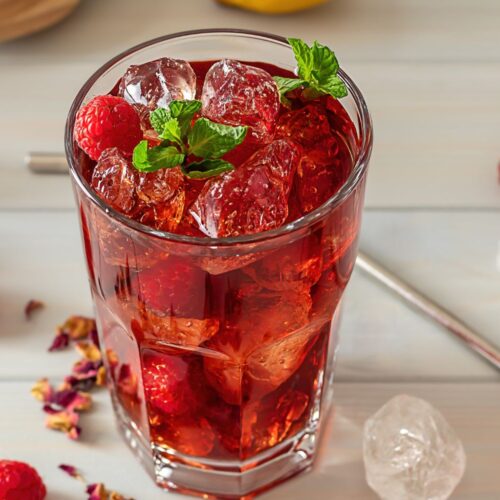
Beyond the cup, hibiscus tea uses extend into cooking, where the dried calyces are used in jams, sauces and syrups, and into iced drinks, where hibiscus is prized as much for its vivid colour as its flavour.
Hibiscus nutrition also includes small amounts of minerals, though a cup of tea should be thought of as a pleasant contributor to a varied diet rather than a significant source on its own.
Hibiscus Tea and Blood Pressure: What the Research Shows
This is genuinely the most researched area of hibiscus tea benefits, and the evidence here is more substantial than for most herbal teas.
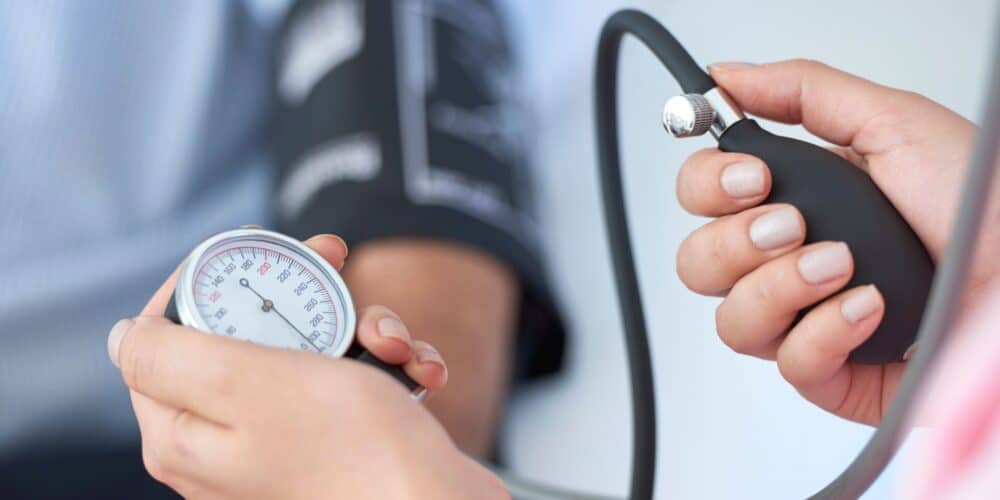
A 2022 systematic review and meta-analysis published in Nutrition Reviews, covering 17 randomised controlled trials, found that hibiscus supplementation reduced systolic blood pressure by an average of 7.10 mmHg compared with placebo, with the greatest effect seen in people who already had elevated blood pressure.
The effect was typically observed over four to twelve weeks of regular drinking.
This is genuinely encouraging research, but it comes with important caveats. Study sizes are still relatively small, results vary between trials, and hibiscus should never be used as a replacement for prescribed blood pressure medication.
If you are on antihypertensive medication, hibiscus tea can interact with it, so this is a conversation to have with your doctor or pharmacist before making it a daily habit, not a decision to make from a blog post alone.
Hibiscus Tea for Weight Loss
Hibiscus tea for weight loss is one of the most searched claims about this tea, and it is also one of the most overstated.
Several smaller studies from the last decade reported modest improvements in body weight or body fat using concentrated hibiscus extract, which is where much of the popular claim originates.
However, the most recent and rigorous evidence available is a 2024 systematic review and meta-analysis of randomised controlled trials, which pooled the available data and concluded that hibiscus sabdariffa extract showed no clinical benefit for obesity or weight treatment.
The review authors noted that further high-quality trials, with longer treatment durations and standardised doses, are still needed before any firmer conclusion could be drawn.
Hibiscus Tea and Blood Sugar
Blood sugar is a separate question from weight, and the evidence here is a little more encouraging, though still early.
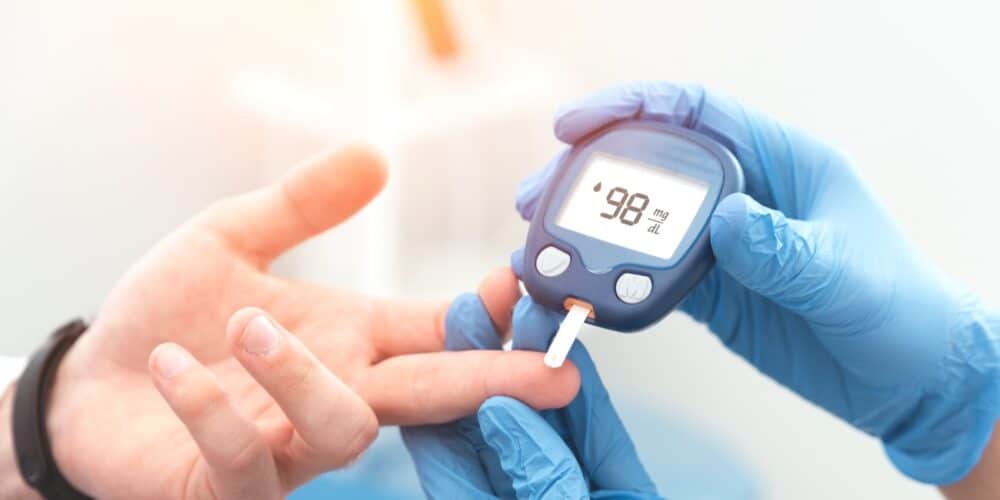
A systematic review and meta-analysis of randomised clinical trials examining hibiscus sabdariffa’s antidiabetic effects found a statistically significant reduction in fasting plasma glucose across the pooled trials, alongside a reduction in LDL cholesterol, though no significant effect on total cholesterol, HDL or triglycerides.
Separately, laboratory research published in Food Chemistry has found that hibiscus sabdariffa can blunt the after-meal rise in blood glucose, partly by inhibiting an enzyme called alpha-glucosidase involved in carbohydrate digestion.
This is genuinely one of the more promising areas of hibiscus research, but the same review noted that findings on fasting blood glucose specifically have been inconsistent across smaller trials, largely due to differences in study design.
It is encouraging, early-stage evidence, not a settled finding.
Hibiscus Tea and Diabetes: What You Should Know
Because several of the studies behind the blood sugar research above were conducted in people with type 2 diabetes specifically, hibiscus tea is often searched alongside diabetes management directly.
It is worth separating the research question from the practical one.
On the research side, some trials in people with type 2 diabetes have shown modest improvements in blood sugar and blood pressure markers alongside standard treatment.
On the practical side, hibiscus tea is not a diabetes treatment, and it should never be used as a substitute for prescribed medication or monitoring.
Hibiscus can also interact with certain diabetes medications, so if you are managing diabetes, the right move is to bring hibiscus tea up with your doctor or diabetes team, not to add it in on the strength of an article like this one.
Hydration, Digestion and Other Traditional Uses
Because it is naturally caffeine-free, hibiscus tea counts toward your daily fluid intake without the diuretic effect that caffeinated drinks can have, though hibiscus itself is traditionally considered a mild diuretic in its own right, meaning it may modestly increase urination.
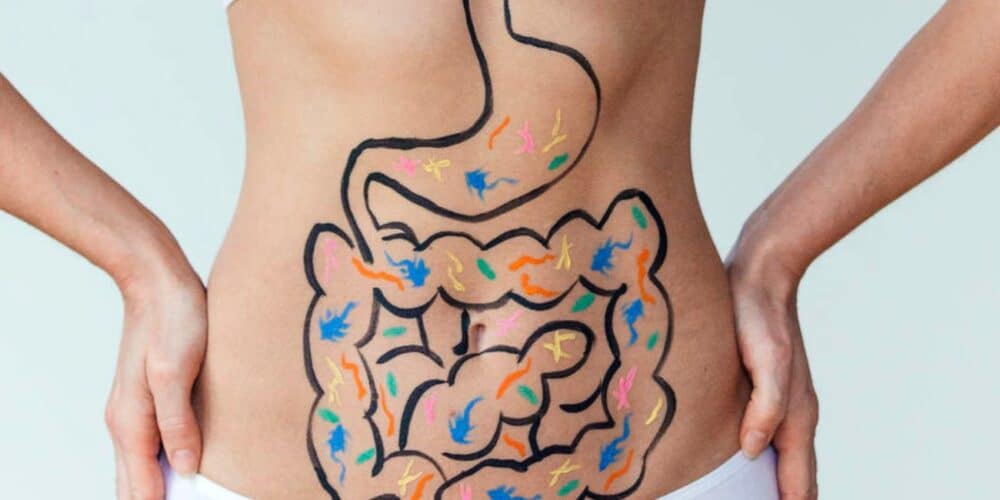
This is part of why it has traditionally been used to support digestion across several of the cultures where it is grown.
Served hot or iced, hibiscus is a genuinely versatile base for other flavours, which is why you will often find it blended with rosehip, ginger, cinnamon or berries. Is hibiscus caffeinated?
No, which makes it a suitable option in the evening or for anyone reducing caffeine intake generally.
Liver Health: What We Actually Know
Hibiscus has also been studied for possible effects on liver health, largely in animal models where hibiscus extract appeared to support certain markers of liver function.
This is a genuinely interesting area of ongoing research, but it has not been well established in humans drinking hibiscus tea specifically, the studies involve concentrated extract rather than a brewed cup.
We would rather flag that gap honestly than present early animal research as a settled human benefit.
What About the Cancer-Fighting and Antibacterial Headlines?
If you have spent any time researching hibiscus tea benefits, you have probably come across bolder headlines: hibiscus fights cancer cells, hibiscus kills bacteria.
These claims usually trace back to real, published research, so they are not invented, but the fine print matters more than the headline.
Most of these studies apply concentrated hibiscus extract directly to cancer cells or bacteria in a lab dish, or feed it to animals in doses far higher than anyone would realistically drink in tea form.
Lab dish and animal research is a genuinely important first step in science, but it does not tell us what happens when a person drinks an ordinary cup of hibiscus tea, and it is a considerable leap from a compound affecting cells in a dish to a tea treating or preventing disease in a person.
We would rather tell you that plainly than round a lab finding up into a bullet point. None of this means hibiscus tea isn’t worth drinking, it clearly is, for its antioxidants, its flavour, and its genuinely useful blood pressure research.
It simply means the cancer and antibacterial headlines are not themselves a reason to drink it, and should not be treated as health advice.
Hibiscus Tea Side Effects and Who Should Be Careful
Hibiscus tea is generally well tolerated when enjoyed as an occasional or daily drink in normal quantities. That said, hibiscus tea side effects are worth knowing.
Because of its documented effect on blood pressure, anyone taking blood pressure medication, diabetes medication, or preparing for surgery should speak with a doctor before drinking hibiscus tea regularly, since it may interact with these treatments.
Hibiscus is also generally advised against during pregnancy, since some traditional use associates it with effects on the uterus, so pregnant or breastfeeding women should check with a doctor first.
As with any herbal tea consumed in large quantities, moderation is sensible, a cup or two a day is a reasonable starting point rather than drinking it liberally throughout the day.
How to Brew Hibiscus Tea
Pour freshly boiled water over the dried hibiscus calyces and steep for 1 minute, then taste, extending by another minute if you would like a stronger, more tart cup.
For iced hibiscus tea, steep for 10 to 15 minutes to build a more concentrated base before pouring over ice.
A touch of honey balances the natural tartness well. Refined sugar works too, though it can mute some of the tea’s brighter notes.
Try it: our Hibiscus Flower Tea is naturally caffeine-free, with no artificial flavourings, so the tart, natural character of the flower comes through.
A touch of honey balances the natural tartness well, or you can mix hibiscus with other dried botanicals. See our guide on how to blend your own herbal tea at home for inspiration.
Frequently Asked Questions
Hibiscus tea is genuinely rich in Vitamin C and antioxidants, is naturally caffeine-free, and has reasonably strong research behind modest blood pressure benefits when drunk regularly. It is best understood as a pleasant, healthy habit rather than a treatment for any condition.
For most healthy adults, yes, in moderation. It is calorie-free, caffeine-free, and rich in antioxidants. People on blood pressure or diabetes medication, or who are pregnant, should check with a doctor first, since hibiscus can interact with certain treatments.
Several clinical trials and meta-analyses have found that regular hibiscus tea consumption is associated with modest reductions in blood pressure over several weeks. It should never replace prescribed medication, and anyone on blood pressure medication should speak with a doctor before drinking it regularly.
The best current evidence, a 2024 systematic review of randomised controlled trials, found no clinical benefit of hibiscus for weight or fat loss. As a calorie-free, caffeine-free drink, it can be a sensible substitute for sugary drinks as part of a broader healthy routine, which is a genuine benefit, just not a weight loss effect from the tea itself.
Some research in people with type 2 diabetes has shown modest improvements in blood sugar markers, but hibiscus tea is not a diabetes treatment and can interact with certain diabetes medications. Anyone managing diabetes should discuss hibiscus tea with their doctor or diabetes team before making it a regular habit.
Hibiscus is traditionally considered a mild diuretic, meaning it may modestly increase urination. This is separate from its caffeine content, since hibiscus tea itself is naturally caffeine-free.
Most healthy adults can enjoy a cup or two of hibiscus tea daily without issue. If you take blood pressure or diabetes medication, are pregnant, or have a specific health condition, check with a doctor before making it a daily habit.
No. Hibiscus tea is naturally caffeine-free, which makes it suitable for the evening or for anyone reducing their overall caffeine intake.
Hibiscus tea is made from the dried calyces of Hibiscus sabdariffa, the petal-like part of the plant surrounding the seed pod, rather than the flower petals themselves.
Hibiscus is generally well tolerated, but it can interact with blood pressure and diabetes medication, and is generally advised against during pregnancy. Speak with a doctor if you fall into either category before drinking it regularly.
There is no single best time. Many people enjoy it in the afternoon or evening specifically because it is caffeine-free, though it can be drunk at any point in the day.
Nothing, they are the same tea. Roselle is the common name used across Africa and Asia, jamaica is the name used in Mexico and Central America, and hibiscus is the name most commonly used in the UK and US. All three refer to Hibiscus sabdariffa.
Some animal studies suggest hibiscus extract may support liver function markers, but this hasn’t been well established in humans drinking hibiscus tea specifically. It’s a promising area of research rather than a proven benefit.
You may have seen headlines to this effect, but they come from lab dish and animal studies using concentrated extract, not from drinking a cup of tea. These findings are an early scientific starting point, not evidence that hibiscus tea treats or prevents disease.
Enjoy Hibiscus Tea for What It Genuinely Offers
A lot of what gets written about hibiscus tea rounds lab and animal research up into confident-sounding benefit lists.
We would rather tell you honestly what the research does and does not support, even when that means saying less than a headline promises.
Hibiscus tea’s real strengths, its antioxidant content, its naturally caffeine-free character, and its genuinely promising blood pressure research, are worth celebrating on their own, without needing to stretch them further.
For the full picture of how hibiscus fits alongside every other tea type, our complete guide to the world of tea is worth a read.
Read our Herbal Tea Guide to learn more about this variety, its health benefits, and essential brewing techniques. You can also explore our wide selection of herbal teas.

Teapro co-founder. Favourite tea - Long Jing Dragon Well Green Tea. Obsessed with film, photography and travelling.


No Comments