
How to Make a Cup of Tea: The Complete Guide
Everyone thinks they already know how to make a cup of tea. Boil the kettle, pour it over the leaf, wait a bit, done.

And yet an enormous number of genuinely good teas get ruined at exactly this stage, not because the tea was poor quality, but because the water was too hot, the steep too long, or the same method was used for every single tea type regardless of what it actually needed.

This guide covers how to make a cup of tea properly, tea type by tea type, with the one adjustment that makes the single biggest difference to how it actually tastes.

For the fuller picture of how different tea types are grown and processed in the first place, our complete guide to the world of tea is worth reading alongside this one.

What’s in This Guide

Why There Isn’t One Single Right Answer

The honest reason so many people ask how to make a cup of tea and still end up disappointed is that most instructions treat tea as one thing.

It isn’t.

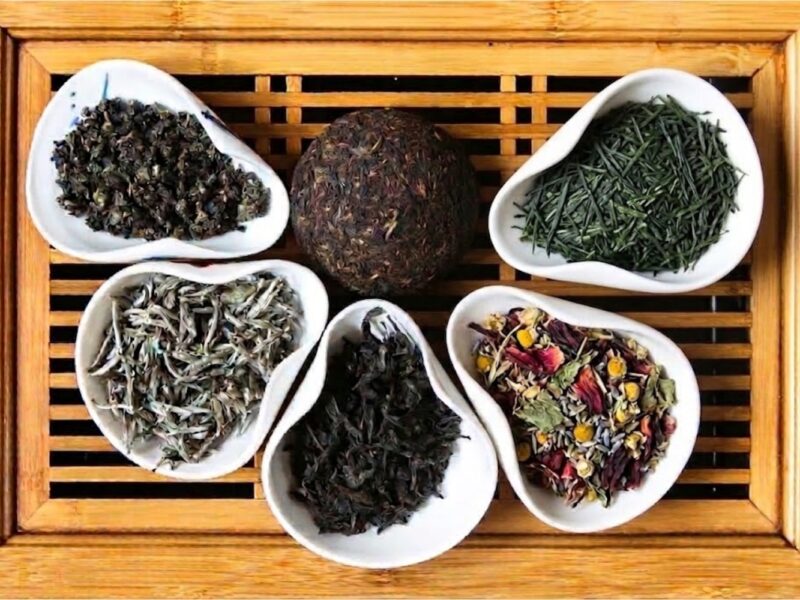
Green tea, white tea, oolong, black tea, pu-erh and herbal tisanes are processed in completely different ways, and that processing changes how each one reacts to heat and time.

A method that makes a black tea taste rich and full-bodied will make a green tea taste bitter and flat, and vice versa.

Once you know that, the rest of this guide is really just a set of adjustments to one basic method, not a dozen different ones to memorise.

What You Actually Need

What You Need Notes
Loose leaf tea The fresher the better
Freshly boiled water Ideally filtered or bottled, especially if your tap water is heavily chlorinated or very hard
A kettle Ideally one with variable temperature settings, though a regular kettle and a bit of timing works perfectly well too
A teapot, infuser, or mug and strainer Any of these will work, whichever suits how you like to brew
A timer Or at least a rough sense of minutes rather than guessing
Loading...
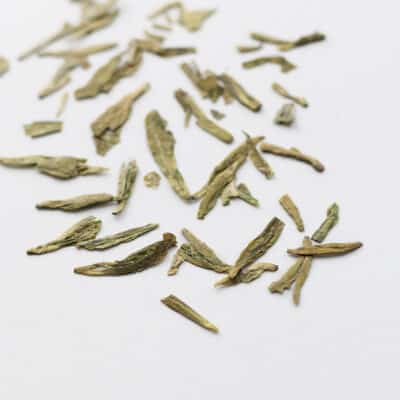
Dragon Well Longjing Green Tea - Long Jing Chinese Green Tea
Price range: £5.00 through £185.00
tea strainer- tea infuser
Price range: £17.99 through £64.00

The Mistake That Ruins More Cups Than Anything Else

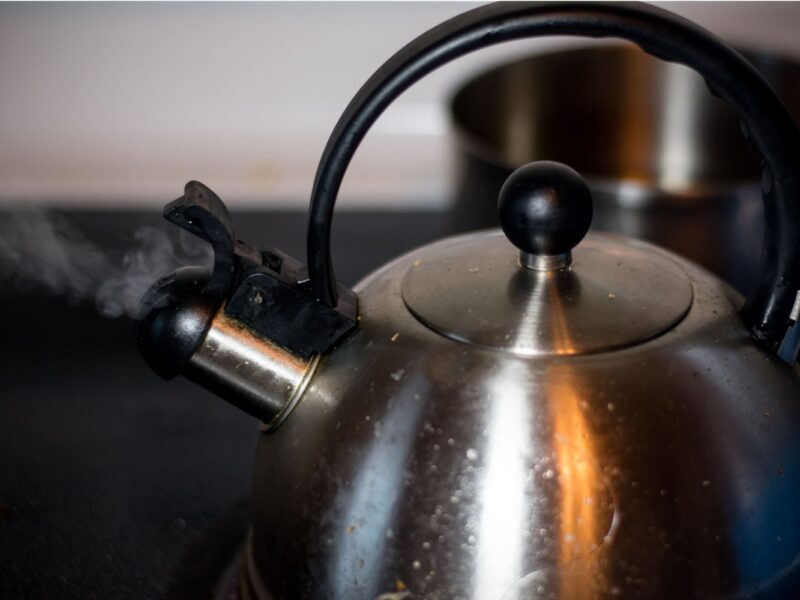
If there is one single fix that improves more cups of tea than anything else, it is this: stop using boiling water for everything.

Pouring water straight off a rolling boil is the right move for black tea and herbal tisanes, but it is genuinely the wrong move for green tea, white tea, and most oolongs.

Boiling water scorches the more delicate leaf used in these tea types, drawing out excess bitterness and astringency that has nothing to do with the tea’s actual quality.

How to Make a Cup of Tea The Complete Guide to Getting It Perfect Every Time, brewing mistake, boiling water ruins tea quality

Research on brewing conditions backs this up: studies on green tea infusions show that higher extraction temperatures increase the release of bitter-tasting catechins and caffeine, which is exactly why the same leaf can taste harsh at a rolling boil and smooth at a lower temperature.

This single habit, using the same boiling kettle for every tea regardless of type, is probably responsible for more people wrongly assuming they dislike green tea than any other factor.

Get the temperature right, and the same leaf can taste completely different.

If you want to go deeper on why water quality changes the taste of your tea so much, our full guide to choosing the best water for tea covers pH, hardness, and total dissolved solids in more detail.

Water Temperature and Steeping Time, by Tea Type

Here is the genuine breakdown, tea type by tea type.

Tea Type Water Temperature Steeping Time Notes
Green tea 70 to 80C 2 to 3 minutes Boiling water scorches it and brings out bitterness
White tea 75 to 85C 3 to 5 minutes Delicate leaf, needs a longer steep at a lower heat
Oolong 85 to 95C 2 to 4 minutes Genuinely good for multiple infusions, adjust time down with each one
Black tea 95 to 100C 3 to 5 minutes The one tea type that can genuinely handle near-boiling water
Pu-erh 95 to 100C 3 to 5 minutes A quick rinse first helps the compressed leaf open properly
Herbal tea 100C, boiling 5 to 7 minutes No true tea leaf to scorch, so boiling water is fine here

If you do not have a variable temperature kettle, a simple trick works well: boil the kettle, then let it sit for the following rough times before pouring over green or white tea, around 3 to 4 minutes off the boil gets you close to 80C, and around 1 to 2 minutes gets you closer to 90C for oolong.

How Much Tea to Use

As a general starting point, use around one level teaspoon, roughly 2 to 3 grams, of loose leaf tea per 200 to 250ml of water.

This varies by tea type, since a fluffy white tea leaf takes up more volume for the same weight than a tightly rolled oolong, so treat this as a starting ratio to adjust from, not an exact rule.

If a cup tastes weak, use slightly more leaf next time rather than steeping the same amount for longer, which tends to increase bitterness rather than strength.

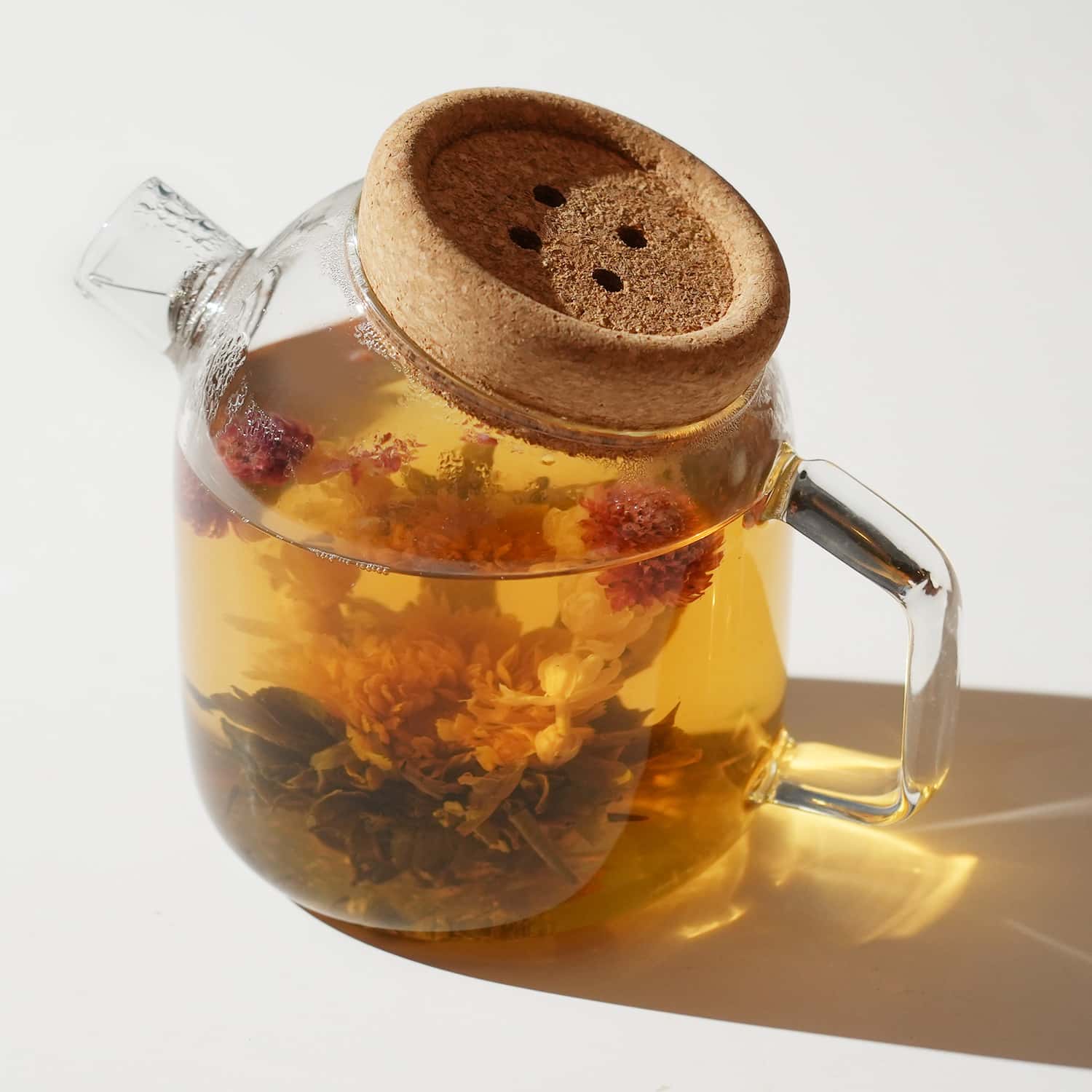
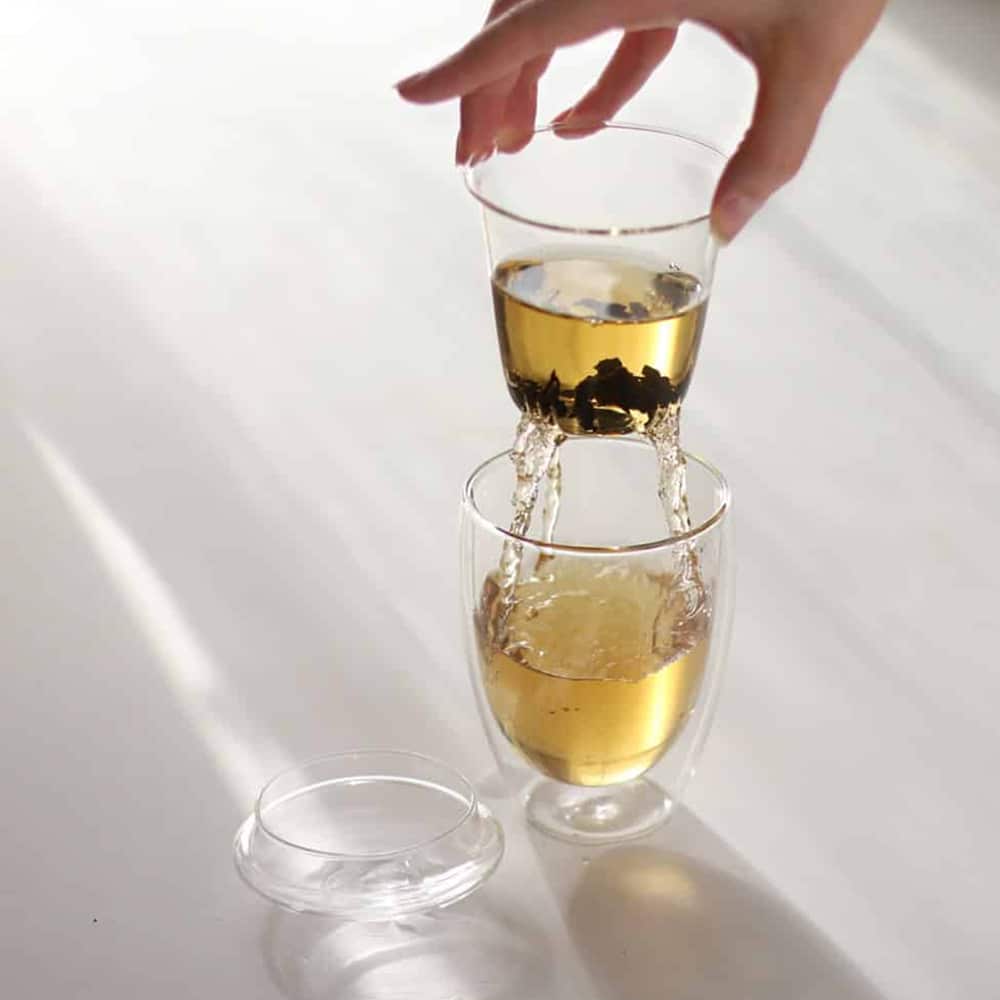
If you are brewing in our own 350ml Loose Tea Infuser Glass, scale up slightly from the standard cup ratio, around 3 to 3.5 grams of loose leaf for the full 350ml, which keeps the strength consistent for the larger volume.

For a detailed breakdown of how leaf size and shape affect teaspoon measurements, check out our guide on how many grams of tea fit in a teaspoon.

How to Make a Cup of Tea, Step by Step

Step Instructions
Step 1 Boil fresh water. Stale, re-boiled water tastes flatter, so start with a fresh fill where possible.
Step 2 Let the water reach the right temperature for your tea type, using the table above, either with a variable kettle or by timing how long you let it sit after boiling.
Step 3 Warm your teapot or mug with a small splash of hot water first, swirl, then discard. This keeps the water at temperature for longer once you add the tea.
Step 4 Add your tea, around one teaspoon per cup, then pour the water over it.
Step 5 Steep for the time suggested in the table, using a timer rather than guessing.
Step 6 Remove the leaf promptly once steeping is done, leaving it in continues to extract tannins and bitterness.

Milk First or Tea First?

A genuinely long-running debate, and one that comes up constantly once you are talking about how to make a cup of tea properly.

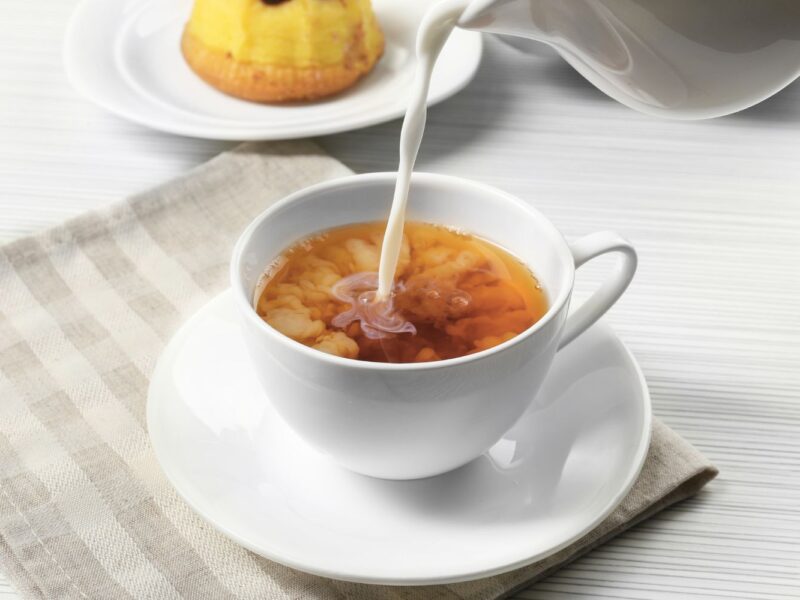
The tradition of pouring milk first dates back to when delicate porcelain cups could crack from the sudden heat of tea poured in alone, so milk went in first to temper it.

Today, most tea drinkers add milk after, since it makes it easier to judge how much you actually want by colour. Either way works, this one genuinely comes down to preference rather than there being a correct answer.

At Teapro we suggest not adding any milk at all – high quality loose leaf tea tastes too good to be masked by milk. 

How to Make a Cup of Tea: The Complete Guide to Getting It Perfect Every Time, milk first or tea first

Frequently asked questions

Use water at the correct temperature for your specific tea type, rather than boiling water for everything, steep for the recommended time, and remove the leaf promptly once done. Green and white teas need cooler water and shorter steeps than black tea.

It depends on the tea type. Green tea is typically 2 to 3 minutes, black tea 3 to 5 minutes, and herbal tisanes 5 to 7 minutes. Steeping too long tends to draw out bitterness rather than adding strength.

Black tea and herbal tisanes can handle boiling water, around 95 to 100C. Green tea does best at 70 to 80C, white tea at 75 to 85C, and oolong somewhere in between at 85 to 95C.

Bitterness usually comes from water that is too hot for the tea type, or steeping for too long. Both cause over-extraction of tannins, which is what reads as bitterness rather than strength.

A general starting point is one level teaspoon, around 2 to 3 grams, of loose leaf per 200 to 250ml of water, adjusted to taste from there.

Both are traditional and both work. Milk first dates back to protecting delicate porcelain from cracking, while milk after makes it easier to judge strength by colour. It comes down to personal preference.

We also recommend omitting the milk entirely, as high quality loose leaf tea tastes great without!

Better Tea Starts With Better Habits, Not Better Tea

The single biggest shift most people can make is genuinely simple: stop treating every tea the same way.

Match the water temperature and steeping time to what is actually in your cup, and the same leaf you thought tasted average can taste completely different.

That is really the whole guide, everything else is refinement from there.

Ready to perfect your daily brew? Check out our complete Tea Brewing Guide for handy cheat sheets on temperatures, timing, and leaf-to-water ratios.

Teapro co-founder. Favourite tea - Long Jing Dragon Well Green Tea. Obsessed with film, photography and travelling.

No Comments

Post A Comment