03 Aug The Caffeine Truth About Chai: How It Really Stacks Up Against Coffee
So what’s the caffeine truth about Chai? Warming spice, a hit of sweetness, and a cosy ritual that rivals your morning coffee, chai has become a genuine favourite for tea lovers and coffee drinkers alike.
But does chai tea have caffeine, and how does it really stack up against coffee? Here is the full, honest picture, spice blend, brewing style, and all.
Contents
Does Chai tea have caffeine?
How much caffeine is in Chai tea?
Chai Tea vs Coffee: Caffeine compared
Why does Chai feel gentler than coffee?
Is Chai a tea or coffee?
Difference between Chai tea and Chai latte
Caffeine in Chai Lattes vs Coffee
How to choose between Chai and coffee
Frequently asked questions
Final thoughts
Does Chai Tea Have Caffeine?
Yes, traditional chai tea does have caffeine.
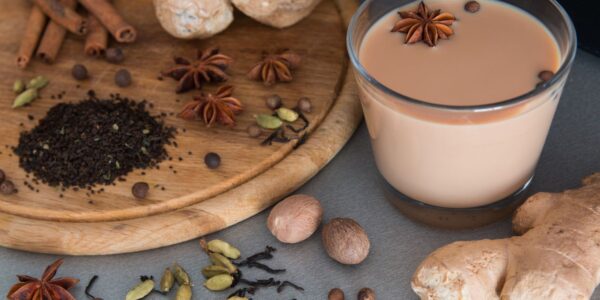
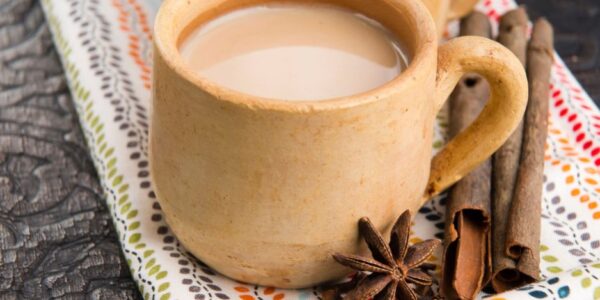
Classic chai, sometimes called masala chai, is made from a black tea base blended with warming spices such as cinnamon, cardamom, ginger, cloves and black pepper.
Teapro’s own Traditional Masala Chai is a good example, built on hearty Assam black tea with cardamom, ginger, clove and black pepper.
Because the base is black tea, which comes from the Camellia sinensis plant, chai naturally contains caffeine, just as any other black tea would.
So if you’ve been asking is caffeine in chai tea, or is there caffeine in chai tea, the answer is a clear yes for traditional recipes, unless the blend has specifically been made with a caffeine free base like rooibos.
How Much Caffeine Is in Chai Tea?
How much caffeine in chai tea depends on the ratio of tea to spices, how strongly it’s brewed, and importantly, which tea the chai is actually built on.
A typical 240ml cup of black tea based chai, like Teapro’s Traditional Masala Chai, contains roughly 30 to 50mg of caffeine.
This tends to be somewhat lower than a standard cup of black tea brewed on its own, since chai blends often use a smaller proportion of actual tea leaf alongside the spices.
Not all chai is black tea based, though. Green tea chai, such as Teapro’s Peppermint and Green Chai, swaps the black tea base for green tea, which naturally contains less caffeine to begin with.
A cup of green tea chai typically lands closer to 20 to 35mg, making it a gentler option again for anyone looking to ease off caffeine gradually rather than cutting it out altogether.
Chai Tea vs Coffee: Caffeine Compared
Here’s how chai tea caffeine vs coffee actually stacks up, including espresso and a standard cup of black tea for context:
| Drink | Typical Serving | Approx. Caffeine | Caffeine Release |
|---|---|---|---|
| Chai tea (black tea base) | 1 cup (240ml) | 30 to 50mg | Moderate onset |
| Filter coffee | 1 cup (240ml) | Approx. 95mg | Fast onset |
| Espresso | 1 shot (30ml) | Approx. 65mg | Fast onset |
| Standard black tea | 1 cup (240ml) | 40 to 60mg | Moderate onset |
As the table shows, caffeine in coffee vs chai tea isn’t close, a standard cup of filter coffee contains roughly double the caffeine of a cup of chai, and even a single espresso shot edges ahead.
So if you’re looking for a gentler alternative to coffee that still gives you a warming ritual, chai is a sensible middle ground.
Why Does Chai Feel Gentler Than Coffee?
Beyond the raw caffeine numbers, chai tends to feel gentler than coffee for a couple of reasons.
Black tea releases its caffeine more gradually than coffee, thanks to naturally occurring tannins that slow its absorption, so the lift tends to build and fade more evenly rather than hitting all at once.
The warming spice blend, milk, and typically slower, more ritualistic way chai is prepared and sipped also plays a part in how calm the experience feels, even before the caffeine content comes into it.
Is Chai a Tea or Coffee?
Is chai coffee or tea? Chai is tea, not coffee. The word ‘chai’ actually just means ‘tea’ in Hindi, and in most of the world, chai simply refers to tea itself.
What’s commonly called ‘chai’ in the UK and US is specifically masala chai, a spiced black tea, traditionally brewed with milk and sweetener. It shares a caffeine source with other black teas, not with coffee beans.
Difference Between Chai Tea and Chai Latte
The difference between chai tea and chai latte comes down to preparation. Chai tea is the brewed spiced tea itself, made by steeping black tea and spices, often simmered gently with milk.
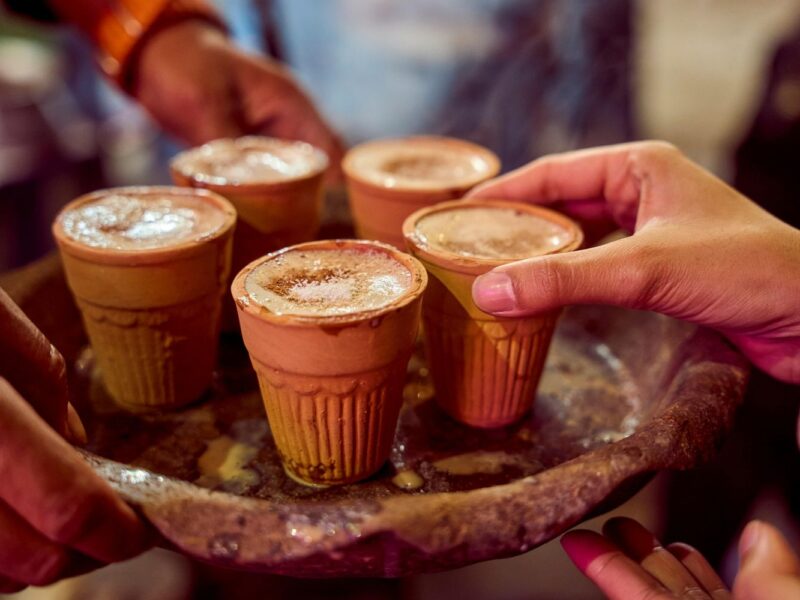
A chai latte, particularly the cafe-style version, is typically made from a concentrated chai syrup or concentrate mixed with steamed milk, similar to how a coffee latte is made.
Chai lattes are often sweeter and more diluted in tea strength than a traditionally brewed cup of chai, which can affect their overall caffeine content.
You may want to try these unsual Chai recipes and Dairy free recipes at home.
Caffeine in Chai Lattes vs Coffee
Caffeine in chai latte vs coffee varies more than you might expect, since chai latte caffeine depends heavily on how concentrated the syrup or base is.
Many cafe chai lattes are made from a pre-made concentrate that can be diluted differently from one venue to another, so it’s genuinely difficult to give one universal figure.
As a general guide, a chai latte tends to contain noticeably less caffeine than a same-sized coffee, though it’s worth checking with individual cafes if you’re closely managing your caffeine intake.
How to Choose Between Chai and Coffee
There’s no single right answer here, it comes down to what you’re after:
| If You Want | Choose This |
|---|---|
| Coffee | If you want the strongest, fastest caffeine hit and love its bold, roasted flavour. |
| Chai | If you want warming spice and a moderate caffeine lift, gentler than coffee but still noticeably present. |
| Rooibos Chai | If you love the spice profile but want to avoid caffeine altogether, this is naturally caffeine free. |
| Matcha Chai Blend | If you want a fuller, more complex cup that brings chai's warming spice together with matcha's steadier lift. |
For a full breakdown of chai’s history, spice blends and how to brew it properly, read our complete guide to Chai.
Teapro’s Caffeine Free Chai Options
If you love the warming spice of chai but want to skip the caffeine entirely, Teapro has two naturally caffeine free options, both built on herbal bases rather than black or green tea:
Soothing Organic Turmeric Root Chai: a caffeine free blend built around turmeric, with cinnamon, cardamom, liquorice and black pepper. Bold and earthy, with a smooth, comforting spice profile.
Honey Tulsi Chai: a herbal infusion made from tulsi (holy basil) blended with traditional chai spices like ginger, cardamom and cinnamon. Naturally caffeine free, with a calming, aromatic character and a gentle sweetness from honey.
Both are true rooibos-style alternatives to traditional masala chai, no tea leaf, no caffeine, all of the warming spice.
Frequently asked questions
Yes, traditional chai is made from a black tea base, so it naturally contains caffeine, typically around 30 to 50mg per cup. Chai made with green tea instead, such as a green tea chai blend, tends to contain less, usually around 20 to 35mg. The only truly caffeine free option is chai made with a herbal base like rooibos or tulsi, rather than black or green tea.
A cup of chai contains roughly 30 to 50mg of caffeine, compared to around 95mg in a standard cup of filter coffee, so chai has noticeably less.
Black tea releases caffeine more gradually than coffee, thanks to natural tannins that slow its absorption, so the lift tends to build and fade more evenly rather than hitting all at once.
Chai is tea, specifically a spiced black tea known as masala chai. It shares its caffeine source with other black teas, not with coffee.
Chai tea is brewed from black tea and spices, often with milk simmered in, while a chai latte is usually made from a concentrated chai syrup mixed with steamed milk, similar to a coffee latte.
Generally, yes, a chai latte tends to contain less caffeine than a same-sized coffee, though this varies depending on how concentrated the chai base is.
Final Thoughts
When it comes to chai tea caffeine vs coffee, chai sits comfortably in the middle, offering a moderate, steadier caffeine lift with all the warming spice that’s made it so popular, while coffee remains the strongest and fastest-acting option.
Whichever you reach for, we’d always recommend pure, single-origin tea and spices, free from artificial flavourings, so you’re tasting the real thing.
Ready to explore chai for yourself? Discover Teapro’s pure chai range, or find out how our Become a Teapro programme can deepen your knowledge, one tea type at a time.

Teapro co-founder. Favourite tea - Long Jing Dragon Well Green Tea. Obsessed with film, photography and travelling.


No Comments