
29 Jul Best Herbal Teas for a Good Night’s Sleep
Getting a good night’s sleep is essential for overall health and well-being. While many factors can affect sleep quality, herbal teas have long been used as natural remedies to promote relaxation and enhance sleep. Here are some of the best herbal teas that can help you drift off to a restful sleep.
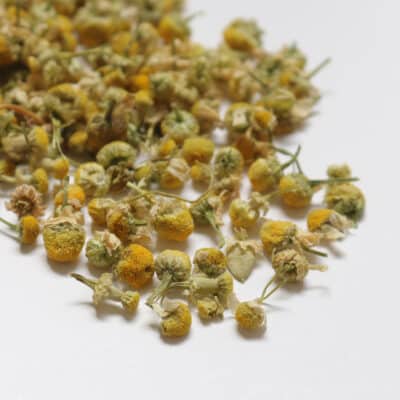
Chamomile Tea
Chamomile tea is perhaps the most well-known herbal tea for promoting sleep.
It contains apigenin, an antioxidant that binds to certain receptors in the brain, promoting relaxation and reducing insomnia.
A study published in the Journal of Advanced Nursing found that postpartum women who drank chamomile tea reported better sleep quality and fewer symptoms of depression.
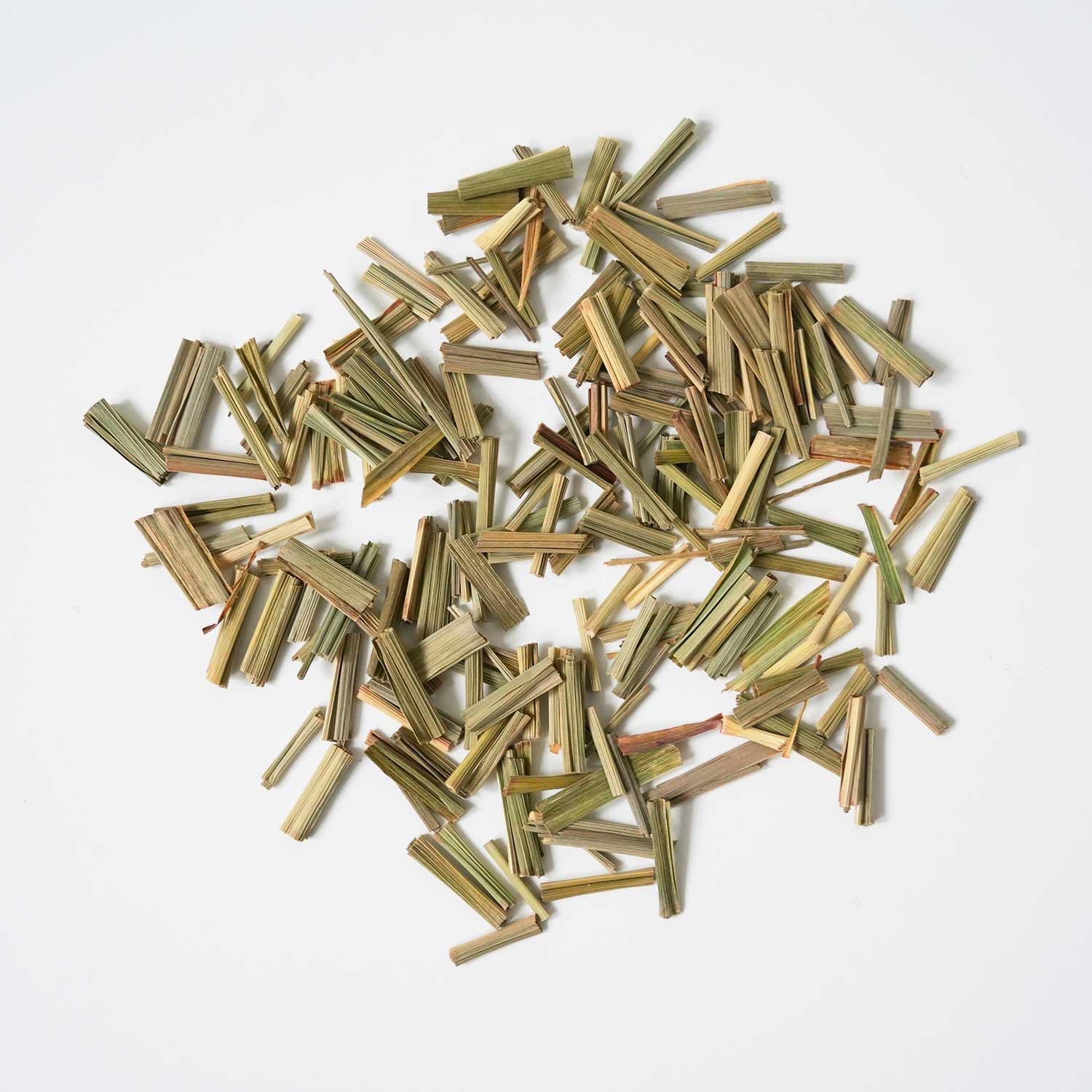
Lemongrass Tea
Lemongrass tea is not only refreshing but also a great sleep aid.
It has a mild sedative effect due to its content of citral and myrcene, compounds known to reduce anxiety and promote relaxation.
Additionally, a study in the Journal of Ethnopharmacology found that lemongrass tea can help improve sleep duration and quality.
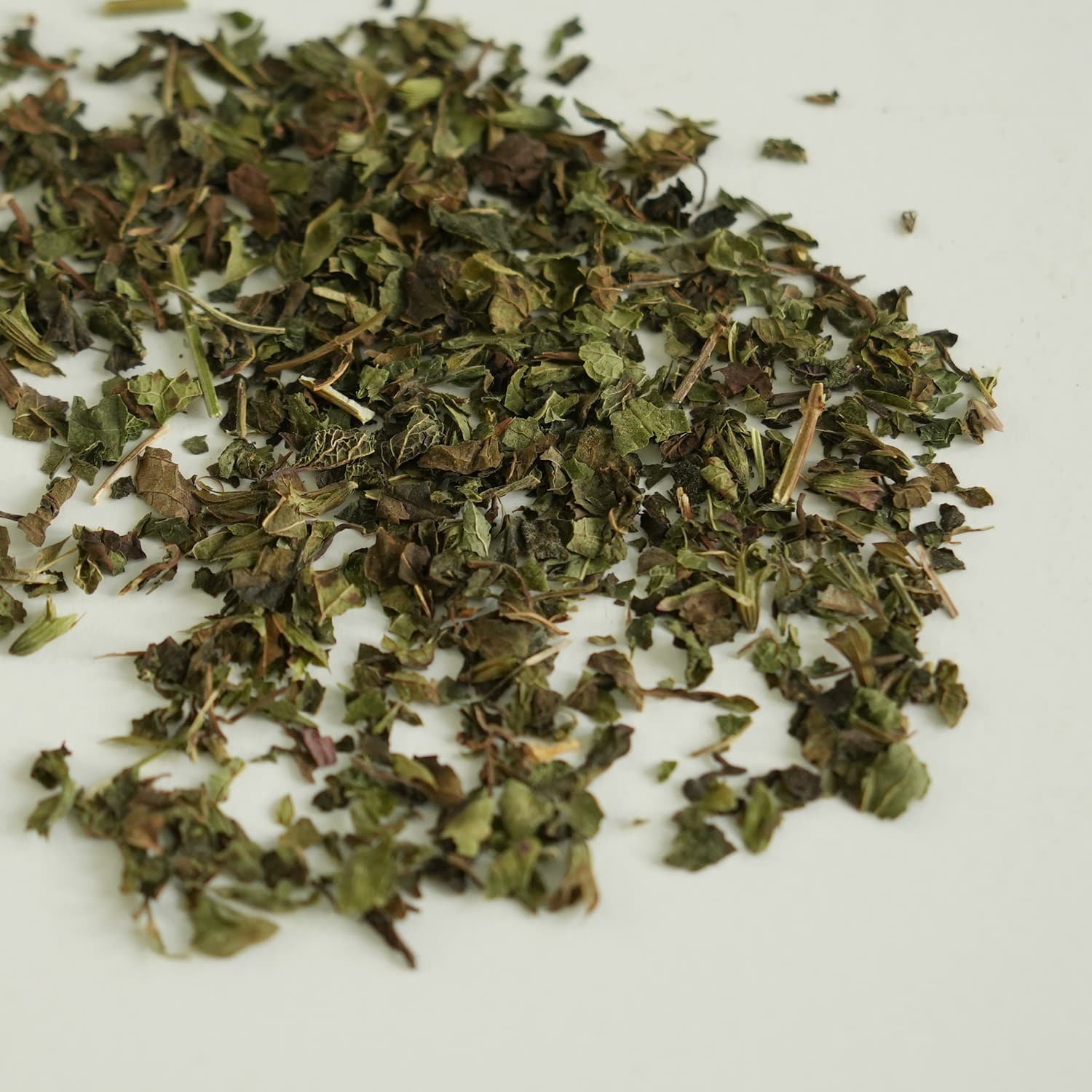
Lemon Balm Tea
Lemon Balm Tea is made from the lemon balm plant, which is a member of the mint family.
It has a mild lemon flavour and is known for its calming and sedative effects. Lemon balm contains compounds like rosmarinic acid that increase the availability of GABA, a neurotransmitter that promotes relaxation and reduces anxiety.
Studies have shown that lemon balm can help reduce symptoms of insomnia and improve overall sleep quality, making it a great choice for those struggling with restlessness at night.
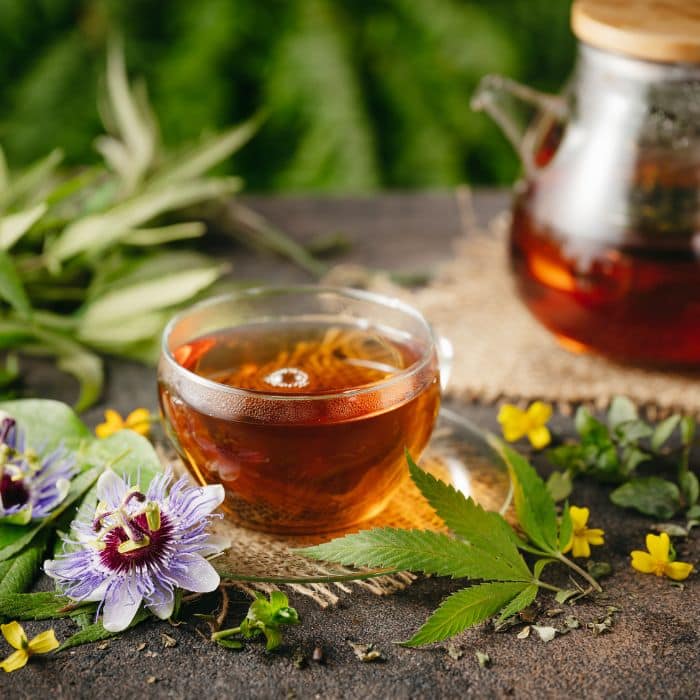
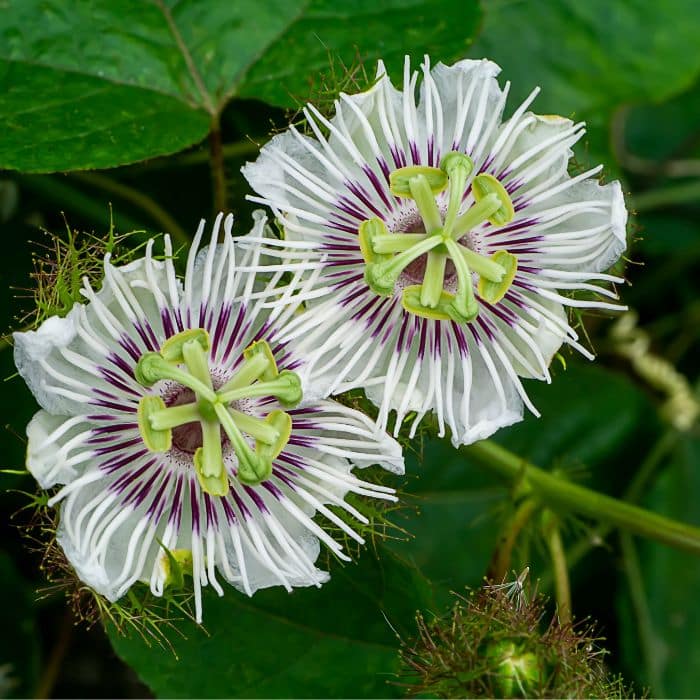
Passionflower Tea
Passionflower Tea is made from the leaves, stems, and flowers of the passionflower plant.
It has been used for centuries as a natural remedy for anxiety and insomnia.
Passionflower tea works by increasing the levels of gamma-aminobutyric acid (GABA) in the brain, which helps reduce brain activity and promotes relaxation. This makes it particularly effective for those who have trouble falling asleep due to anxiety or stress.
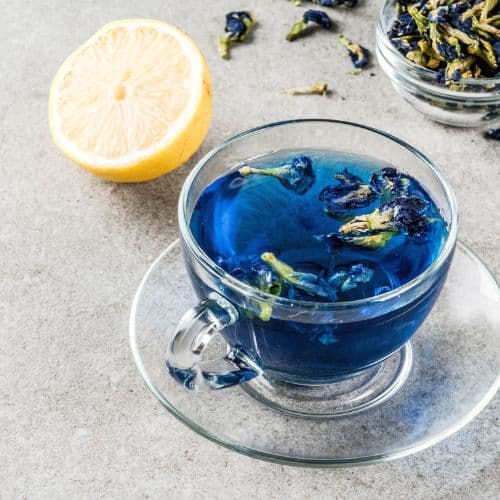
Blue Butterfly Pea Tea
Blue butterfly pea tea is made from the flowers of the Clitoria ternatea plant and is known for its striking blue color.
This tea contains anthocyanins, which have been shown to reduce stress and promote relaxation.
Preliminary research suggests that the calming effects of blue butterfly pea tea may be beneficial for those struggling with sleep disorders.
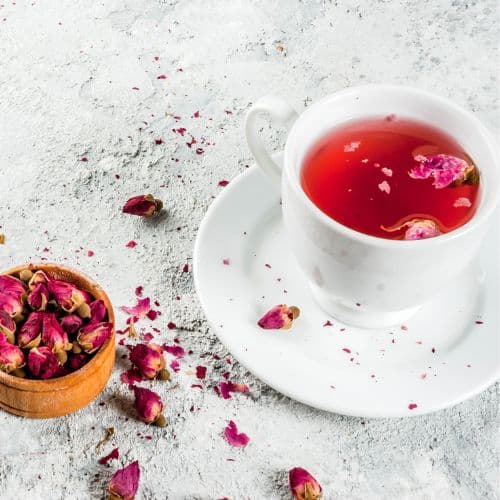
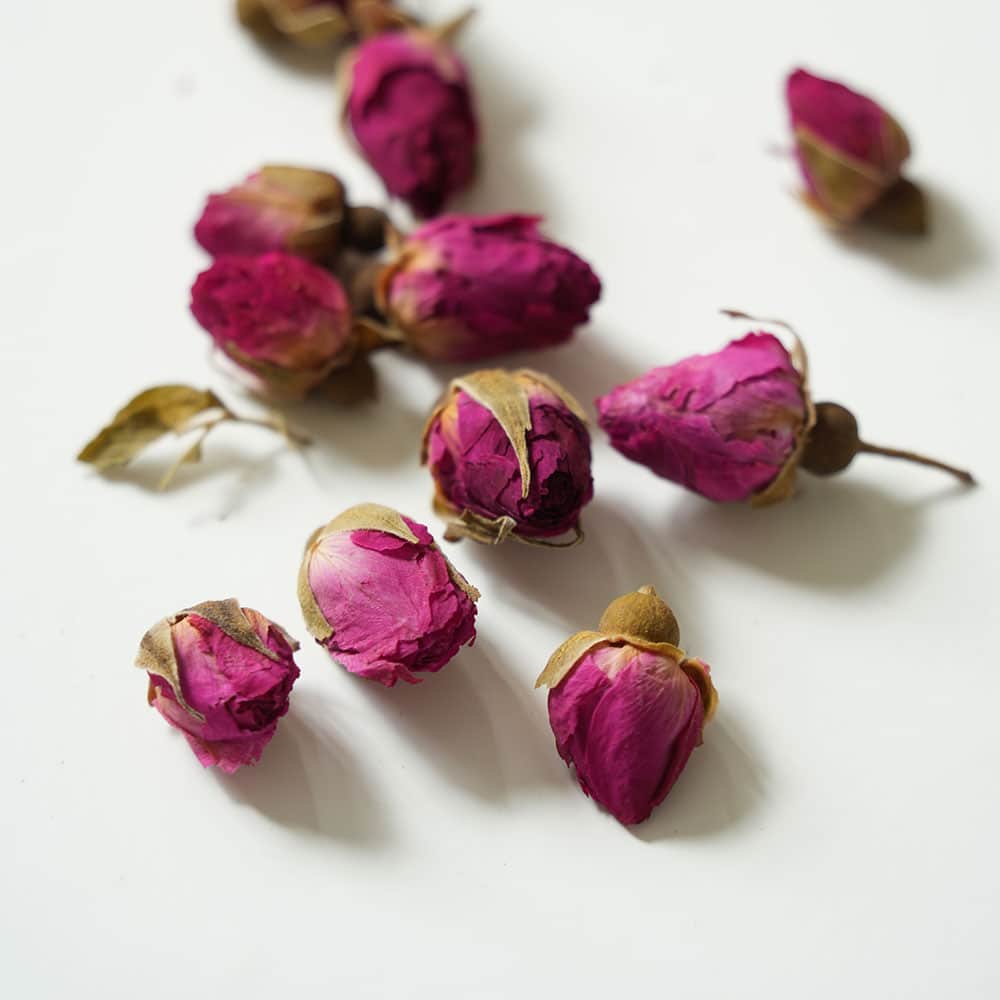
Rose Bud Tea
Rose Bud Tea is made from the buds of rose flowers, offering a delicate, floral aroma and a mild, sweet taste.
It is known for its calming effects, which can help reduce stress and anxiety, aiding in a better night’s sleep.
Rose buds contain antioxidants like flavonoids, which can help relax the nervous system and promote a sense of tranquility. Additionally, rose bud tea is rich in vitamins A, C, and E, which support overall health and well-being.
Drinking rose bud tea can also improve digestion and reduce menstrual discomfort, making it a versatile herbal remedy.
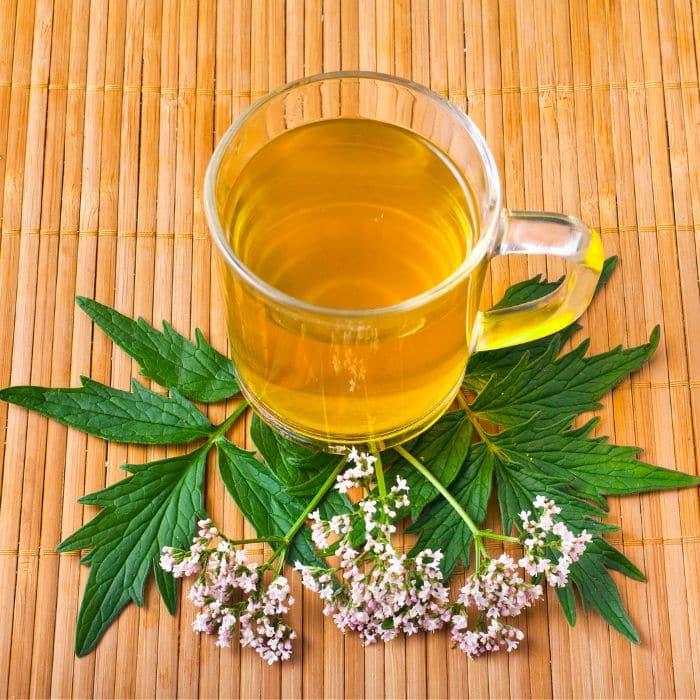
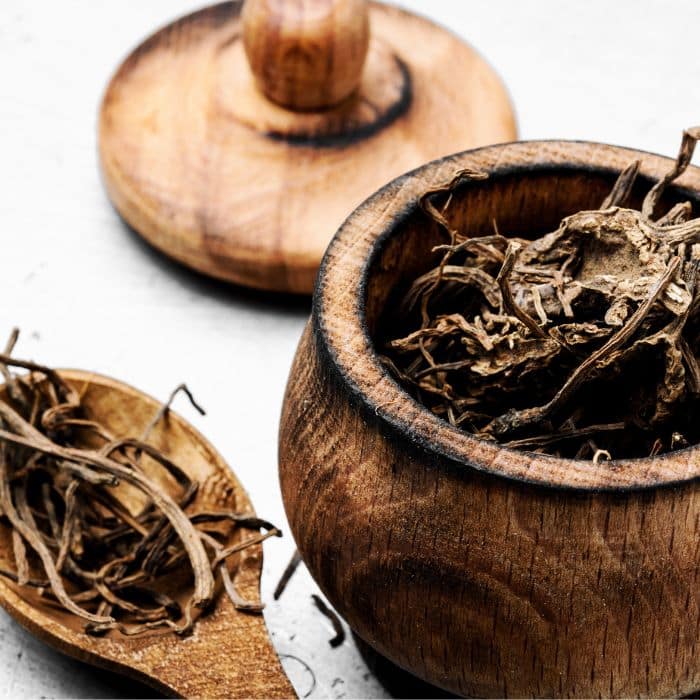
Valerian tea
Valerian tea is made from the root of the valerian plant and has been used for centuries to treat insomnia and anxiety.
Valerian root contains compounds that may increase gamma-aminobutyric acid (GABA) levels in the brain, helping to induce relaxation and sleep.
Research in the American Journal of Medicine suggests that valerian can improve sleep quality without the grogginess associated with prescription sleep aids.
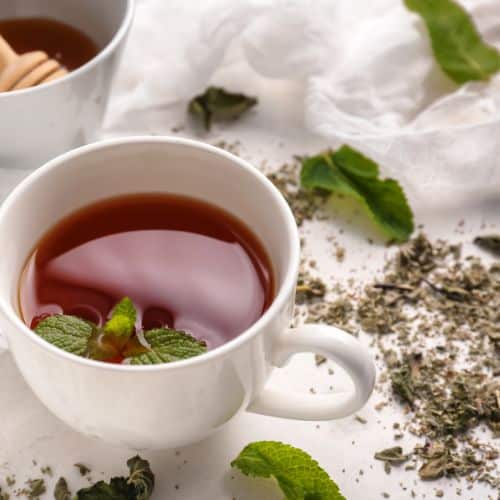
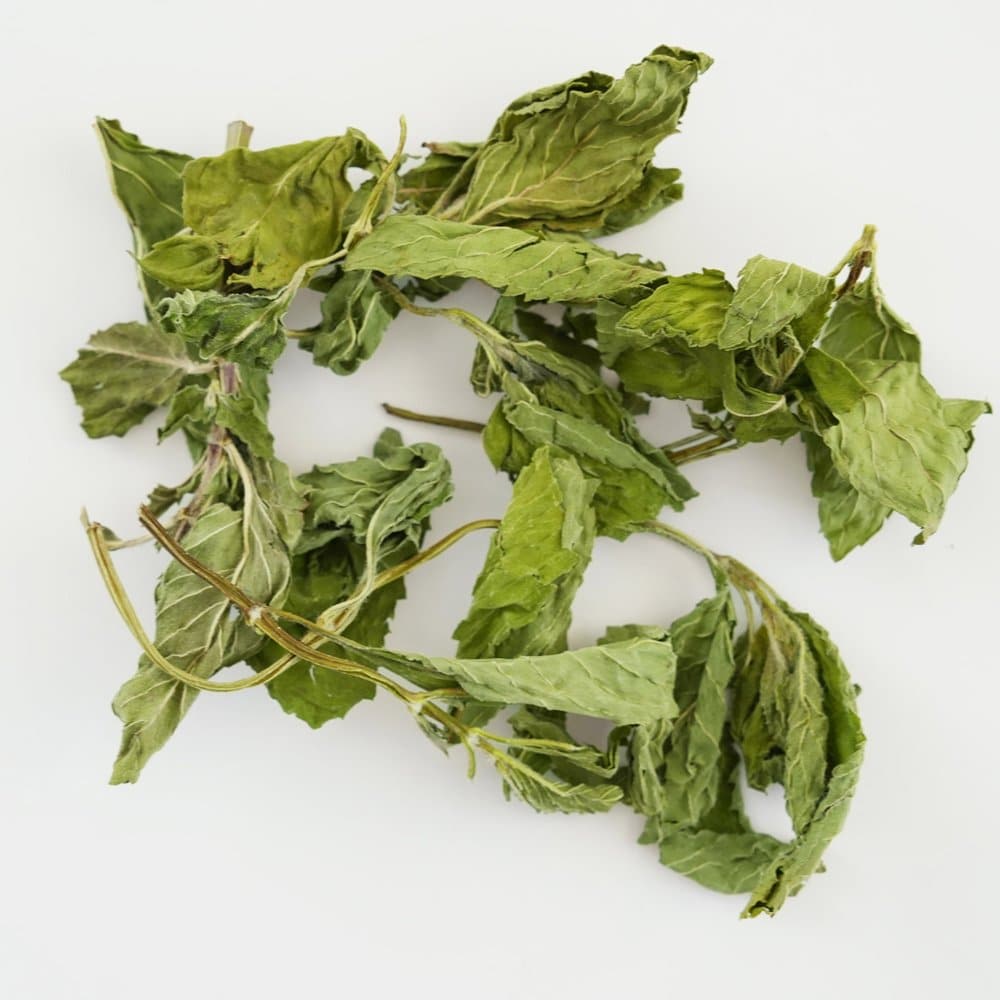
Mint Tea
Mint Tea is made from the leaves of various mint plants, such as peppermint or spearmint.
It has a refreshing, cool flavour and is widely known for its digestive benefits. Mint tea can help soothe the digestive tract, reducing discomfort and promoting relaxation, which can be beneficial for sleep.
Additionally, the menthol in mint has natural muscle relaxant properties, helping to ease tension and stress.
Rooibos Tea
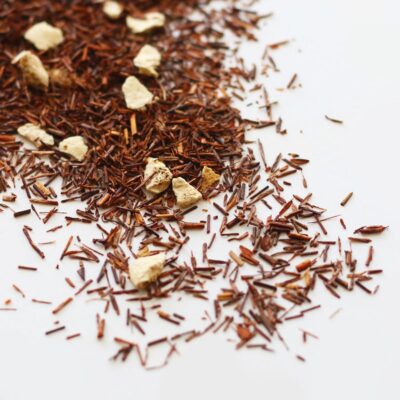
Rooibos Tea is a caffeine-free herbal tea from South Africa, made from the leaves of the Aspalathus linearis plant.
It has a rich, slightly sweet flavour and is packed with antioxidants. Rooibos tea can help reduce stress levels and promote relaxation, making it a great choice for a bedtime beverage.
Its anti-inflammatory properties also contribute to overall health and well-being, supporting a restful night’s sleep.
Lavender Tea
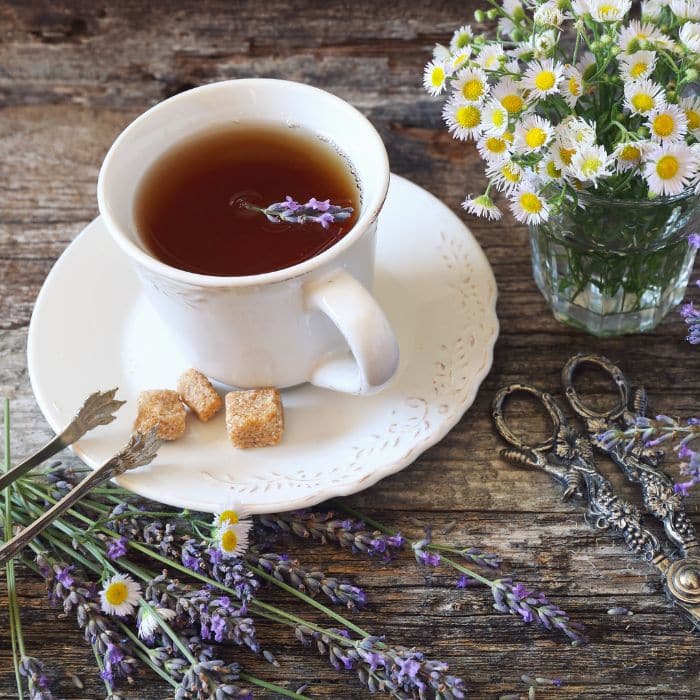
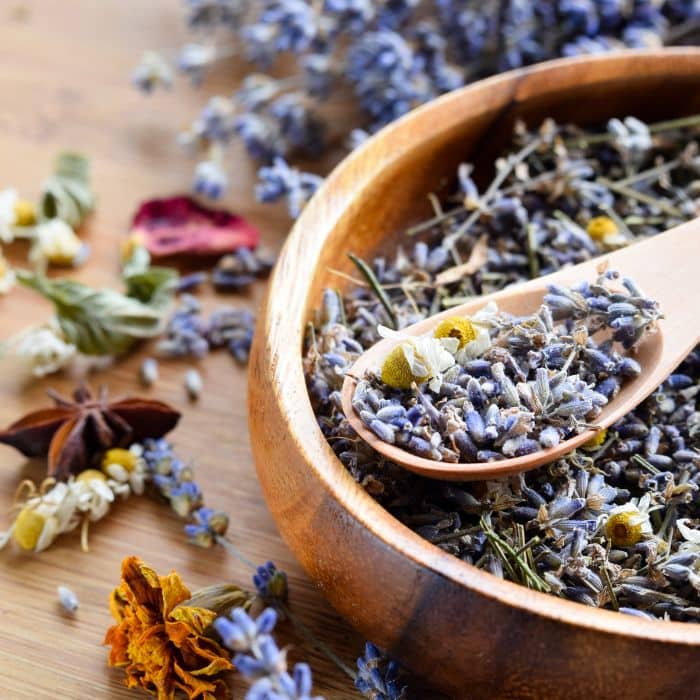
Lavender Tea is made from the dried buds of lavender flowers, known for their soothing and calming properties.
Lavender tea has a light, floral flavour and is often used to reduce stress and anxiety, which can help promote better sleep.
The tea contains linalool, a compound known for its relaxing effects on the nervous system. Studies have shown that drinking lavender tea can improve sleep quality, making it an excellent choice for those with insomnia or restlessness.
Tulsi Chai
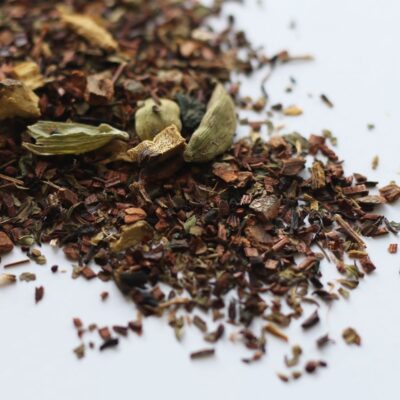
Tulsi Chai, also known as Holy Basil Tea, is an adaptogenic herb known for its stress-relieving properties.
Tulsi chai has a slightly spicy and aromatic flavour, often blended with other spices like cardamom, ginger, and cinnamon. Tulsi helps balance cortisol levels, the stress hormone, promoting calmness and reducing anxiety.
Drinking tulsi chai before bed can help prepare the body for sleep by alleviating stress and promoting a sense of relaxation.
Safety Considerations for Herbal Sleep Teas
While herbal teas are generally a safe and natural way to improve sleep, it’s important to be aware of certain precautions. Some herbal teas contain natural supplements that have not been extensively studied for safety and efficacy.
If you are currently taking any medication, consult with a healthcare professional before adding a new herbal tea to your routine, as some herbs can interact with prescription medications.
This is particularly important for those who are pregnant or breastfeeding. There is limited research on the safety of many herbal supplements during pregnancy.
Additionally, it’s important to note that some people may experience adverse reactions to certain herbs, such as valerian root, which has been linked to headaches, dizziness, and skin reactions. If you notice any negative side effects after drinking herbal tea, discontinue use and speak with a healthcare provider.
Always consult with a healthcare professional before starting any new supplement, especially if you have underlying health conditions or concerns.
Frequently Asked Questions About Herbal Sleep Teas
How long before bedtime should I drink my tea?
For the best results, it is recommended to drink your herbal sleep tea about 30 minutes to an hour before bedtime. This allows enough time for the active compounds in the tea to take effect and help you relax.
Are these teas pregnancy safe?
While many herbal teas are considered safe during pregnancy, some may not be recommended. For example, chamomile and valerian root teas are often advised against during pregnancy due to potential risks. Always consult with a healthcare provider before consuming herbal teas if you are pregnant or breastfeeding.
How many cups of tea do I need to drink?
Typically, one cup of herbal tea before bed is sufficient to promote relaxation and improve sleep quality. However, depending on your tolerance and preference, you can adjust the amount. It’s important not to overconsume, as too much liquid before bed might lead to frequent trips to the bathroom.
Can I add honey to my sleep tea?
Yes, adding honey to your sleep tea is a great way to enhance its flavor and provide additional calming effects. Honey is known for its soothing properties and can help you relax even further. Just be mindful of the sugar content if you are watching your sugar intake.
Will bedtime tea help my insomnia?
Herbal teas can be an effective natural remedy for mild insomnia, especially when used in combination with other sleep-promoting practices. However, if you suffer from chronic insomnia, it’s important to consult with a healthcare professional for a comprehensive treatment plan.
Which teas should I avoid before bed?
It’s best to avoid teas that contain caffeine, such as black tea, green tea, or certain oolong teas, as they can interfere with your ability to fall asleep. Even decaffeinated versions of these teas may contain trace amounts of caffeine, so it’s safer to stick with caffeine-free herbal options.
Other Tips for Better Sleep
In addition to drinking herbal teas, here are some other tips that can help improve your sleep quality:
Establish a Regular Sleep Schedule: Go to bed and wake up at the same time every day, even on weekends, to regulate your body’s internal clock.
Create a Relaxing Bedtime Routine: Engage in calming activities before bed, such as reading, taking a warm bath, or practicing meditation, to signal to your body that it’s time to wind down.
Limit Screen Time Before Bed: Avoid using electronic devices like smartphones, tablets, and computers at least an hour before bed, as the blue light emitted can interfere with your sleep.
Optimise Your Sleep Environment: Make your bedroom conducive to sleep by keeping it dark, cool, and quiet. Consider using earplugs, blackout curtains, or a white noise machine if needed.
Watch Your Diet: Avoid heavy meals, caffeine, and alcohol close to bedtime, as they can disrupt your sleep.
Stay Active: Regular physical activity during the day can help you fall asleep more easily at night. However, try to avoid vigorous exercise close to bedtime.
Manage Stress: Practice stress-relief techniques such as deep breathing, yoga, or journaling to calm your mind before bed.
The Bottom Line
Herbal teas can be a soothing and natural way to enhance your sleep quality. Chamomile, valerian, lemongrass, hibiscus, blue butterfly pea, and rose petal teas are some of the best options to help you relax and unwind before bedtime. Each tea offers unique benefits and delightful flavors, making them excellent additions to your nightly routine.
However, it’s crucial to consider safety when incorporating herbal teas into your regimen. Consult with a healthcare professional, especially if you are on medication, pregnant, or breastfeeding, to avoid any potential adverse reactions. By being mindful of these considerations, you can safely enjoy the calming effects of herbal sleep teas and achieve a restful night’s sleep.

Management enthusiast based in London, passionate about sustainable business practices and global career trends. Enjoys the occasional cup of tea and is always up for a good chat! ????✨


No Comments