28 Aug Yerba Mate vs Matcha: Caffeine, Taste and Health Compared
Yerba mate vs matcha is one of the most common questions we hear from anyone trying to move away from coffee.
However you search it, mate vs matcha, matcha vs yerba mate, or matcha tea vs yerba mate, it’s all the same comparison, and it comes up constantly.
Both are naturally caffeinated, both have devoted followings, and both are frequently described as the healthier alternative to your morning cup.
But they come from entirely different plants, entirely different parts of the world, and taste nothing alike.
This guide breaks the yerba mate vs matcha comparison down properly: caffeine, taste, health benefits, and how to prepare each one, so you can work out which actually fits your routine, or whether there is room for both.
Table of Contents
What are Yerba mate and Matcha?
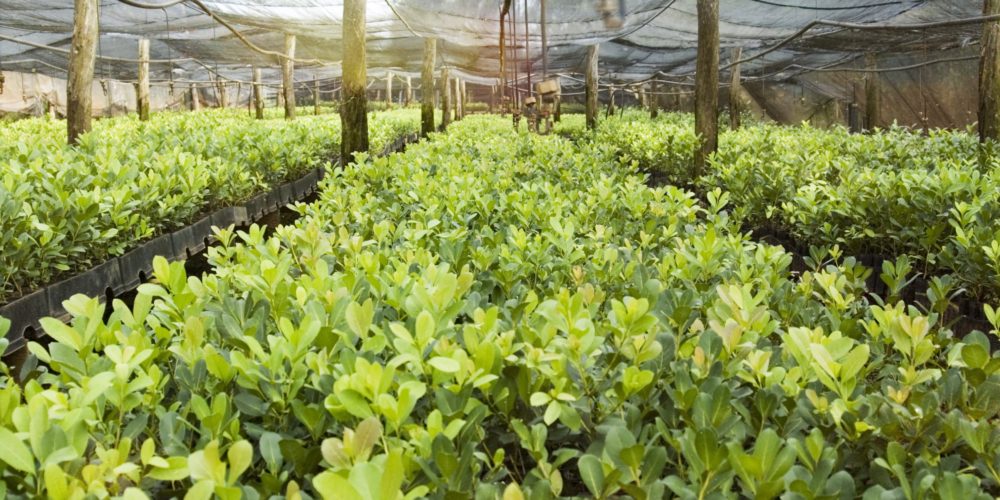
Yerba mate comes from Ilex paraguariensis, a South American tree in the holly family, entirely unrelated to the tea plant.
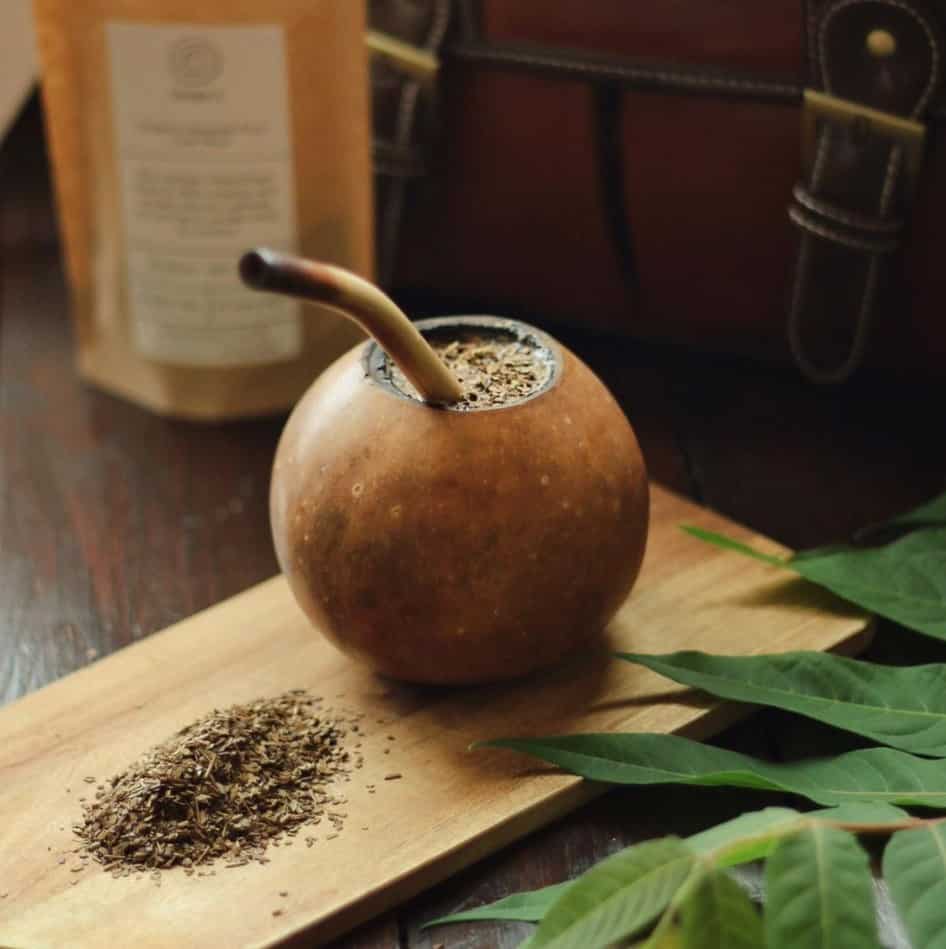
The leaves and stems are dried, sometimes over a wood fire, then steeped as a loose leaf infusion, traditionally in a hollowed gourd and sipped through a metal filter straw called a bombilla.
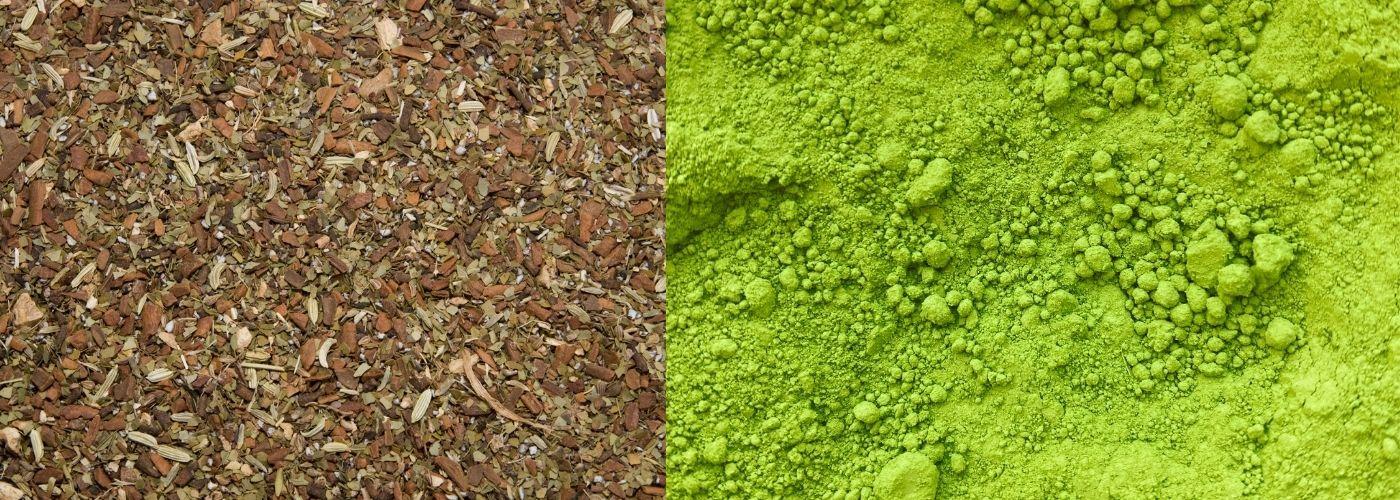
Matcha, by contrast, comes from Camellia sinensis, the same plant behind every true tea, black, green, white, oolong and pu-erh included.
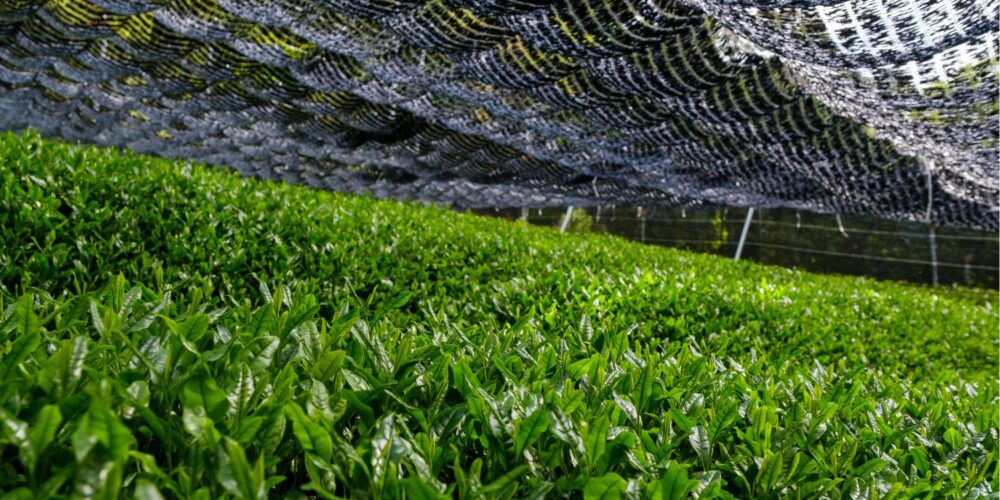
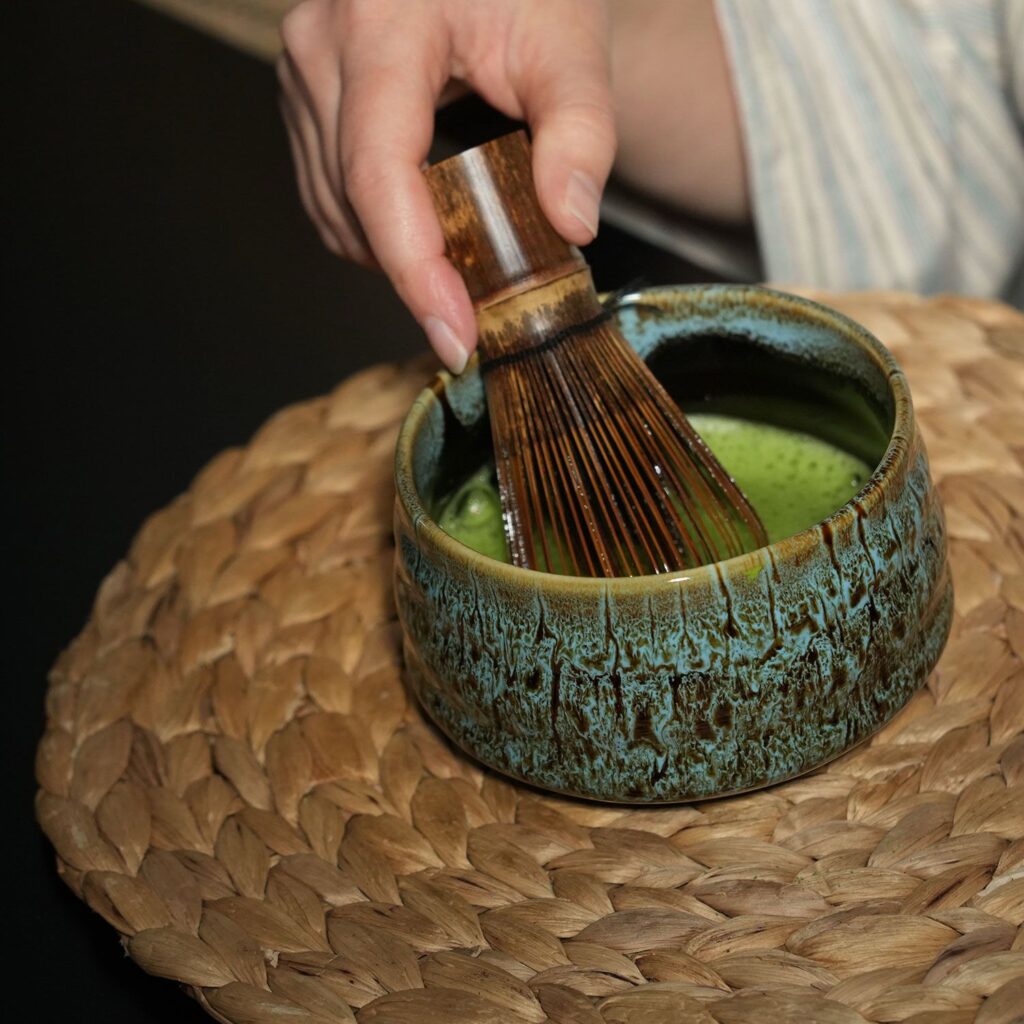
The leaves are shade-grown for the final weeks before harvest, then steamed, dried and stone-ground into a fine powder, which is whisked directly into water rather than steeped and removed.
So a matcha tea vs yerba mate comparison is really a comparison between two entirely unrelated plants, not two rival styles of the same tea.
For the full picture of each, our complete guide to yerba mate and our complete matcha green tea guide both go into far more depth than this comparison alone can.
Yerba Mate vs Matcha at a Glance
| Yerba Mate | Matcha | |
|---|---|---|
| Plant | Ilex paraguariensis (holly family) | Camellia sinensis (tea plant) |
| Origin | South America | Japan |
| Caffeine (per cup) | Roughly 70 to 85mg | Roughly 30 to 70mg |
| Taste | Earthy, herbal, slightly bitter, sometimes smoky | Grassy, umami, naturally sweet |
| Preparation | Steeped loose leaf, traditionally in a gourd with a bombilla | Whisked powder |
| Key compounds | Polyphenols, saponins, methylxanthines | Catechins, including EGCG, plus L-theanine |
Yerba Mate vs Matcha: Caffeine Compared
Caffeine is usually the first thing people ask about when comparing yerba mate vs matcha, and the two are genuinely close.
Whether you know this match-up as matcha vs mate or mate vs matcha, the numbers tell the same story: yerba mate typically contains around 70 to 85mg of caffeine per cup, while matcha typically contains around 30 to 70mg, depending on the grade used and how much powder goes into the bowl.
In practice, the ranges overlap enough that either can end up stronger than the other depending on preparation.
| Yerba Mate | Matcha | |
|---|---|---|
| Caffeine per cup | ~70–85mg | ~30–70mg |
| Companion compounds | Theobromine, theophylline | L-theanine |
| Feel of the lift | Steady, rounded | Calmer, sustained alertness |
| Main variable | Steeping strength, amount of leaf | Grade used, amount of powder |
Where they differ is in how that caffeine tends to feel.
Yerba mate also contains theobromine and theophylline, two related stimulant compounds also found in cacao, which many drinkers describe as giving a steady, rounded lift rather than a sharp spike.
Matcha’s caffeine is paired with L-theanine, an amino acid that is well documented to promote a calmer, more sustained form of alertness alongside caffeine, which is part of why matcha is often described as smoother than coffee.
Yerba Mate vs Matcha: Taste Compared
This is where yerba mate vs matcha tea stops being a close contest.
Yerba mate is earthy, herbal and slightly bitter, with roasted versions taking on a smokier, more intense character. It is often described as an acquired taste, closer in intensity to a strong, grassy black tea than anything delicate.
Matcha, particularly ceremonial grade, is smooth and grassy with a natural sweetness and a umami depth, sometimes with hints of steamed vegetables or a light creaminess when whisked well.
Culinary grade matcha is bolder and more bitter, which is why it holds up better in lattes and baking than ceremonial grade does.
Ceremonial Grade Matcha Green Tea Powder from Kyushu, Japan
Yerba Mate vs Matcha: Health Benefits Compared
Both drinks are genuinely rich in plant compounds, though the specific compounds differ.
Yerba mate contains a notable combination of polyphenols and saponins, alongside methylxanthines, compounds that current research links to antioxidant and anti-inflammatory activity in laboratory and early clinical studies.
Matcha is particularly high in catechins, most notably EGCG, a compound widely studied for its antioxidant properties, and because matcha is whisked whole rather than steeped and discarded, you consume a more concentrated dose of these compounds than you would from a standard cup of green tea.
It is worth being realistic here.
Much of the research behind both yerba mate and matcha’s wider health claims, including anything related to weight management or metabolism, is still described by researchers as promising rather than conclusive, often limited by small sample sizes or short study periods.
This is general information rather than health advice, so if you are pregnant, breastfeeding, or managing a specific health condition, it is worth checking with a doctor or pharmacist about caffeine and stimulant intake from either drink.
How to Prepare Each One
Yerba mate is traditionally prepared by filling a gourd roughly two thirds full with dried leaf, adding hot but not boiling water, around 70 to 80C, and sipping through a bombilla.
The same leaf is typically topped up with fresh hot water several times before it is spent, which is part of why yerba mate is such a social, unhurried ritual in South America.
Matcha is whisked rather than steeped.
Sift around one to two teaspoons of matcha powder into a bowl to remove any clumps.
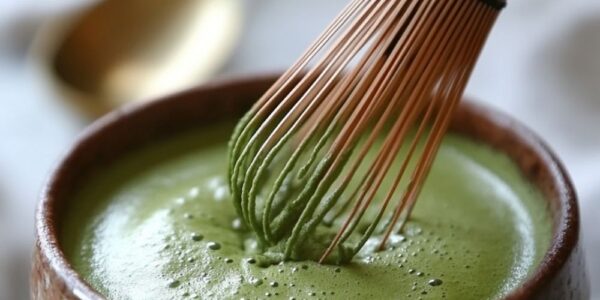
Add a small amount of water just off the boil, and whisk briskly in a zig-zag motion until frothy, then top up with more water to taste.
To get the best flavor out of your cup, review our step-by-step yerba mate brewing guide and tips on fixing matcha brewing mistakes.
Which Should You Choose?
| If You... | Choose This |
|---|---|
| Want the smoothest possible energy, without any jitters | Matcha, thanks to L-theanine, is generally the gentler option. |
| Prefer a bolder, more savoury, less sweet flavour | Yerba mate's earthy intensity is the better match. |
| Like the idea of a shared, unhurried ritual | Yerba mate, refilled from the same gourd, is built for that. |
| Want something quick to prepare and highly versatile in lattes, baking or smoothies | Matcha is the more flexible option. |
| Can't decide | There is no reason you need to. Plenty of people in our own community drink both, just at different points in the day. |
Frequently Asked Questions
In terms of caffeine, yerba mate typically sits slightly higher on average, around 70 to 85mg per cup versus matcha’s 30 to 70mg, though the ranges overlap and matcha’s strength varies considerably by grade and how much powder is used.
Not usually. High grade ceremonial matcha prepared with a generous amount of powder can come close to or occasionally exceed a milder yerba mate serving, but on average yerba mate tends to contain more caffeine per cup.
Neither is definitively healthier than the other. Yerba mate is rich in polyphenols and saponins, while matcha is particularly high in catechins like EGCG. Both are supported by promising but still developing research, so the better choice usually comes down to taste preference and how each affects you personally.
Yes, some people do combine them for a more complex, layered energy profile, though this also means combining two sources of caffeine and other stimulant compounds, so it is worth starting with a smaller amount of each if you try it.
Matcha generally contains less caffeine per serving than yerba mate, though a strong, generously prepared matcha can still come close to a lighter yerba mate serving.
If you want the gentlest introduction, start with matcha, its L-theanine content tends to make the caffeine feel smoother for people new to either drink. If you prefer bolder, more savoury flavours from the outset, yerba mate is worth trying first instead.
Explore Both, Properly
At Teapro, both yerba mate and matcha sit within our Become a Teapro programme, our structured 12-box journey across 12 tea and herbal types, because we think understanding where a drink comes from and how it is made is part of genuinely enjoying it.
However you’ve been searching this comparison, maté vs matcha, yerba mate vs matcha, or matcha vs yerba mate, if it has you leaning one way, our full guides go much deeper into each:
No Comments