READ MORE
can tea help with weight loss?
Tea is not a magic solution, but certain compounds found in tea – particularly EGCG in green tea, theabrownins in pu-erh, and various plant polyphenols – have been studied for their ability to support fat metabolism, improve insulin sensitivity, and reduce the absorption of dietary fat.
Replacing sugary drinks with quality loose leaf tea is also one of the simplest ways to meaningfully reduce daily calorie intake while staying well hydrated – something that itself supports a healthy metabolism.
which teas are best for weight management?
Matcha “Land of Fire” Ceremonial Grade: A high-caffeine powdered green tea that delivers a concentrated dose of EGCG and other catechins linked to increased fat oxidation. Because you consume the whole leaf, matcha provides significantly more of these compounds than brewed green tea.
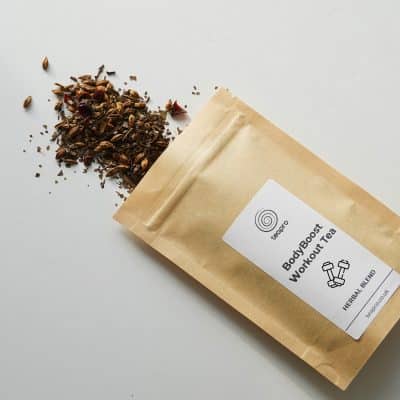
Teapro BodyBoost Workout Tea: A purpose-built caffeinated herbal blend designed to complement exercise, combining ingredients traditionally associated with energy, endurance, and recovery.
Teapro TrimTonic Workout Tea: A caffeine-free herbal blend created to support weight management goals, combining detoxifying and digestion-supporting botanicals for use before or after exercise.
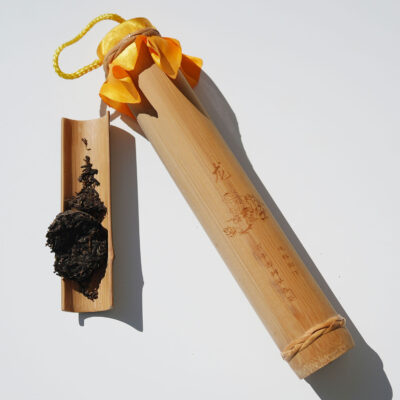
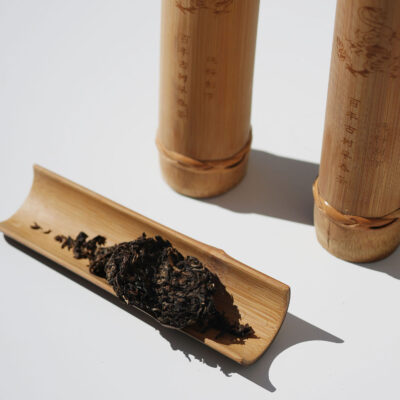
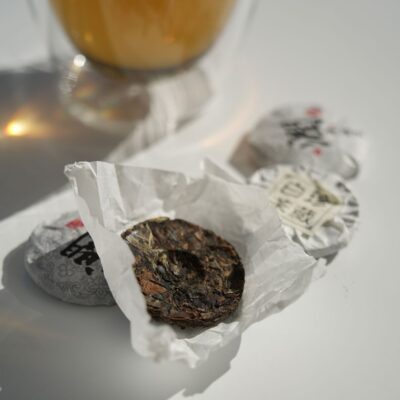
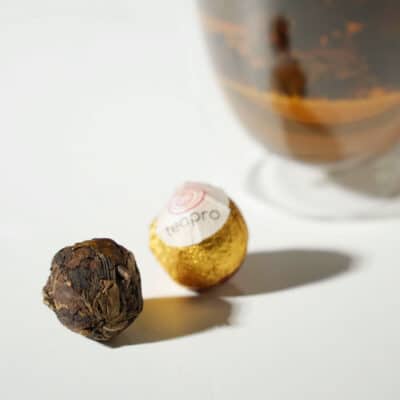
Pu-erh Tea (Sheng & Aged): A fermented Chinese tea with a long history of use in weight management, particularly after rich meals. Pu-erh contains microbial metabolites that may help reduce the absorption of dietary fat and support a healthy gut microbiome. Available as aged sheng in a bamboo tube and as 2018 Shou Mei mini cakes.
White Tea (Shou Mei & Shou Mei with Orange Peel): A minimally processed tea high in polyphenols that may help inhibit the formation of new fat cells. White tea also supports the body’s natural detoxification processes.
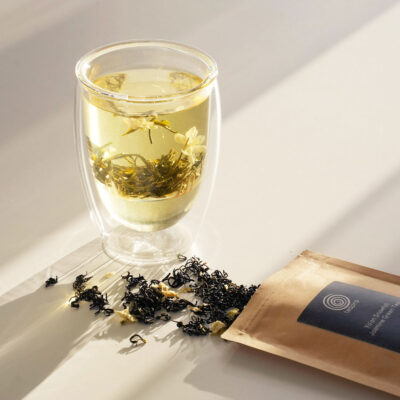
Ya’an Snowfall Jasmine Green Tea: A premium scented green tea with a moderate caffeine level and a high catechin content, supporting fat metabolism while offering an exceptionally refined flavour.
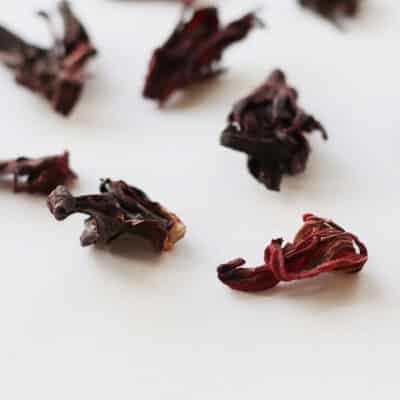
Hibiscus Flower Tea: A caffeine-free herbal tea rich in anthocyanins and organic acids that may help reduce fat absorption and support a healthy weight. Its tart, fruity flavour also makes it a popular alternative to high-calorie soft drinks.
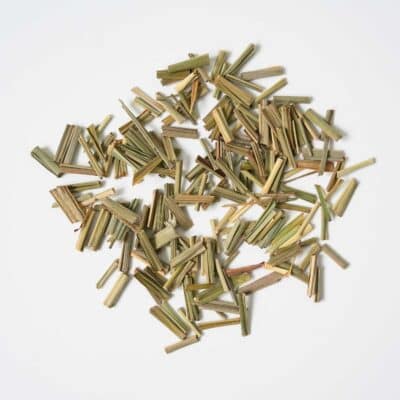
Lemongrass Tea: A caffeine-free herbal tea traditionally used to support digestion and reduce bloating, making it a useful complement to a weight management routine.
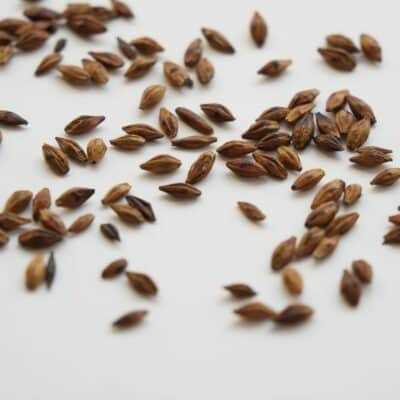
Barley Tea: A caffeine-free roasted grain tea popular in East Asia, traditionally consumed after meals to aid digestion and reduce feelings of fullness.
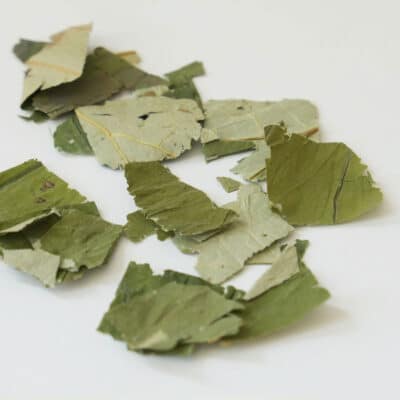
Lotus Leaf Tea: A caffeine-free herbal tea made from dried lotus leaves, widely used in traditional Chinese medicine to support weight management by helping reduce the absorption of fat and carbohydrates from the diet.
what caffeine level should I choose?
Caffeinated teas like matcha and green tea provide the most direct metabolic support, as caffeine and EGCG work together to promote fat oxidation – particularly effective when consumed before exercise.
If you prefer to avoid caffeine – whether due to sensitivity or time of day – the caffeine-free options in this collection including hibiscus, lotus leaf, lemongrass, and TrimTonic all support weight management through different mechanisms and are effective in their own right.
how to brew weight loss teas
Matcha: Whisk 1-2g in 80ml of water at 70-80°C. Can also be prepared as a matcha latte with unsweetened plant milk.
Jasmine Green Tea: Use water at 75-80°C, 2-3g per 350ml, steep for 1-2 minutes.
Pu-erh (loose or cake): Use freshly boiled water (100°C), 3-5g per 350ml, steep for 2-3 minutes. Can be re-infused multiple times.
White Tea (Shou Mei): Use water at 85-90°C, 3-4g per 350ml, steep for 2-3 minutes.
Hibiscus, Lemongrass, Lotus Leaf, Barley Tea: Use freshly boiled water (100°C), 2-3g per 350ml, steep for 5-7 minutes.
BodyBoost & TrimTonic: Use freshly boiled water (100°C), 3g per 350ml, steep for 5 minutes. Follow the individual product guidance for best results.
a note on weight loss teas
The teas in this collection are chosen to genuinely support a healthy lifestyle – not to make unrealistic promises. No tea alone will cause weight loss.
Used alongside a balanced diet and regular movement, quality loose leaf teas can be a meaningful and enjoyable part of a long-term approach to health and weight management.

 This product has multiple variants. The options may be chosen on the product page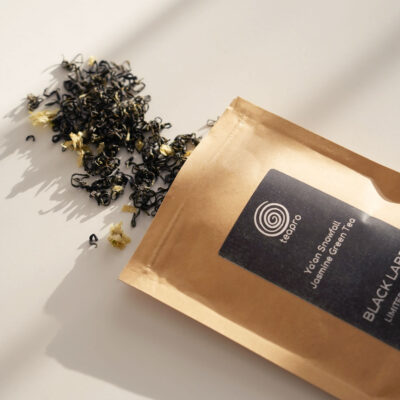
 This product has multiple variants. The options may be chosen on the product page
 This product has multiple variants. The options may be chosen on the product page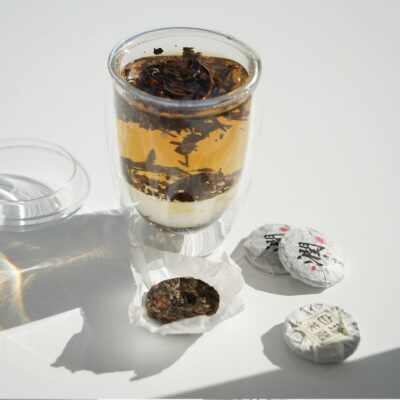
 This product has multiple variants. The options may be chosen on the product page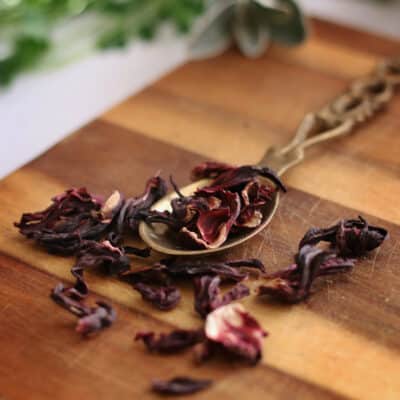
 This product has multiple variants. The options may be chosen on the product page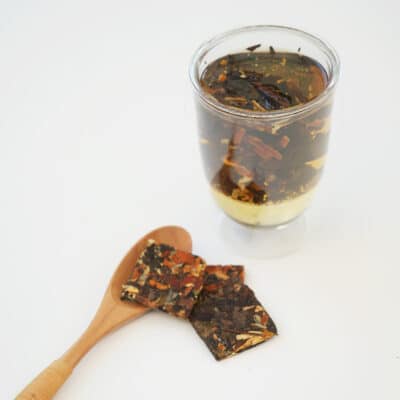
 This product has multiple variants. The options may be chosen on the product page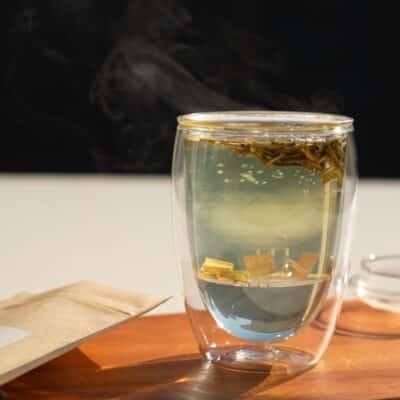
 This product has multiple variants. The options may be chosen on the product page
 This product has multiple variants. The options may be chosen on the product page
 This product has multiple variants. The options may be chosen on the product page
 This product has multiple variants. The options may be chosen on the product page
 This product has multiple variants. The options may be chosen on the product page