READ MORE
how does tea help with stress?
Tea supports stress relief through several distinct mechanisms, depending on the type. True teas – green, white, and oolong – are naturally rich in L-Theanine, an amino acid that crosses the blood-brain barrier and promotes a state of calm, focused alertness by increasing alpha wave activity in the brain. This is the compound responsible for the noticeably different quality of caffeine in tea compared to coffee – present, but without the sharp edge or the anxiety.
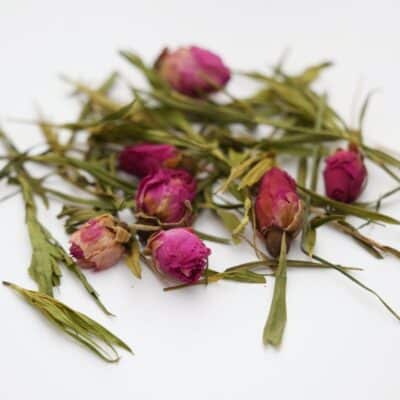
Herbal and botanical teas work differently – through a wide range of plant compounds including flavonoids, terpenoids, and adaptogenic compounds that interact with the body’s stress-response systems. Chamomile’s apigenin binds to GABA receptors in the brain, producing a mild sedative effect. Tulsi (holy basil) is a well-studied adaptogen that helps regulate cortisol. Lemongrass and peppermint promote physical relaxation through their volatile oils. Together, these teas offer a broad and genuinely effective natural toolkit for managing daily stress.
what does anti-stress tea taste like?
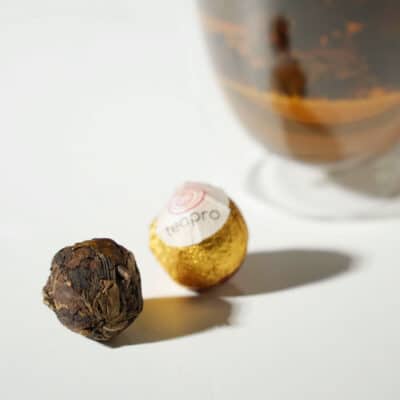
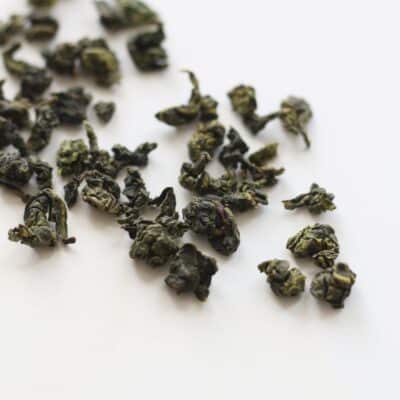
The range across our anti-stress collection is deliberately broad – because different moments of stress call for different cups. The teas that feature here span a wide flavour spectrum: from the gentle, apple-honey sweetness of chamomile and the cooling freshness of peppermint, to the creamy floral character of Tie Guan Yin oolong and the delicate honey warmth of Shou Mei white tea.
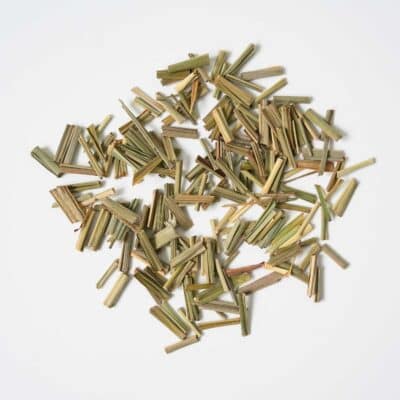
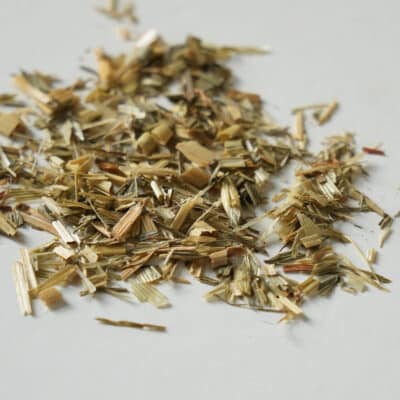
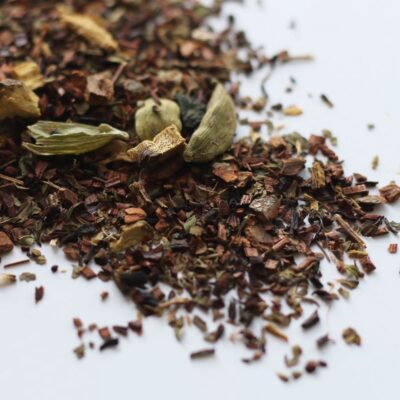
Honey Tulsi Chai brings warming spice and the distinctive, gently anise-like quality of holy basil. Lemongrass is bright and citrusy. Oat Straw is mild and nourishing. Whatever kind of calm you’re looking for – cooling, warming, floral, grounding – there is something in this collection to meet you where you are.
how to brew anti-stress tea
Brewing temperature varies across the collection, but the ritual of making tea is itself part of the benefit – a pause, a moment of deliberate attention, and the simple comfort of a warm cup in your hands.
Herbal teas (chamomile, peppermint, lemongrass, oat straw): 90–100°C, 3–5 minutes
White teas (Shou Mei, Dragon Pearl): 75–80°C, 2–3 minutes
Oolong teas (Tie Guan Yin): 85–90°C, 1–2 minutes
Chai blends (Honey Tulsi): 90–100°C, 3–5 minutes — or simmered with milk for a full chai latte
what caffeine levels are available?
Our anti-stress collection spans the full caffeine spectrum, because what helps with stress varies from person to person and time of day to time of day.
Chamomile, peppermint, lemongrass, and oat straw are all naturally caffeine-free – ideal for evenings or for those who want calm without stimulation. White and oolong teas contain low-to-medium caffeine alongside high levels of L-Theanine – offering a calm, grounded energy that many people find particularly effective for daytime stress management.
Honey Tulsi Chai contains caffeine from its black tea base, but the adaptogenic properties of tulsi make it a genuinely stress-supportive option even with caffeine present.
what are the key ingredients and their properties?
Each tea in our anti-stress collection contributes its own distinct calming mechanism, drawn from centuries of traditional use and an increasing body of modern research.
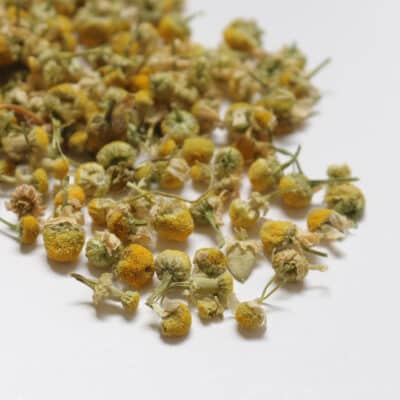
Chamomile: Contains apigenin, a flavonoid that binds to GABA-A receptors and promotes relaxation and sleep. One of the most widely researched natural calming botanicals.
Peppermint: The menthol in peppermint promotes physical relaxation of muscles, eases tension headaches, and has a cooling, clearing effect on the nervous system.
Lemongrass: Contains citral and other volatile oils associated with anxiolytic (anti-anxiety) effects and a gentle mood-lifting quality.
Oat Straw: Rich in silica, magnesium, and nervine compounds traditionally used to nourish and calm the nervous system.
Tulsi (Holy Basil): A well-studied adaptogen that helps modulate the body’s cortisol response, supporting the management of chronic stress over time.
White Tea (Shou Mei): Naturally high in L-Theanine and low in caffeine – a gently calming, antioxidant-rich cup for daytime stress support.
Oolong (Tie Guan Yin): High in L-Theanine and deeply soothing in character – one of the most meditative teas in the world, with a long tradition of use in calming tea ceremonies.
when is the best time to drink anti-stress tea?
The beauty of this collection is its versatility across the day. Chamomile and peppermint are natural choices for evenings – naturally caffeine-free, warming, and deeply relaxing. White tea and oolong are excellent mid-morning or afternoon options – calming without sedating, supporting focus and clarity under pressure.
Honey Tulsi Chai works well at any point during the day when adaptogenic support is needed – many people find it a satisfying, stress-modulating alternative to their usual morning cup.
can you cold brew anti-stress tea?
Yes – white tea and oolong in particular are excellent cold-brewed, producing a naturally sweet, delicate cup with full L-Theanine content and none of the bitterness of hot over-steeping. Many people find a cold-brewed white tea a particularly easy and pleasant way to incorporate calming tea into a busy day.
Add 4g of tea to 500ml of cold water and steep in the fridge for 4–8 hours.
Peppermint and lemongrass are also refreshing and fragrant served cold – a naturally calming cold drink without any additives.
is anti-stress tea good for beginners?
Chamomile and peppermint are among the most universally approachable teas in existence – naturally smooth, immediately pleasant, and requiring no expertise whatsoever to enjoy. They are a wonderful starting point for anyone new to using tea as a wellness tool.
For those already comfortable with tea who want to explore the deeper end of stress-supporting botanicals, Honey Tulsi Chai and Tie Guan Yin oolong offer genuinely nuanced and rewarding experiences that work as well for the palate as they do for the nervous system.

 This product has multiple variants. The options may be chosen on the product page
 This product has multiple variants. The options may be chosen on the product page
 This product has multiple variants. The options may be chosen on the product page
 This product has multiple variants. The options may be chosen on the product page
 This product has multiple variants. The options may be chosen on the product page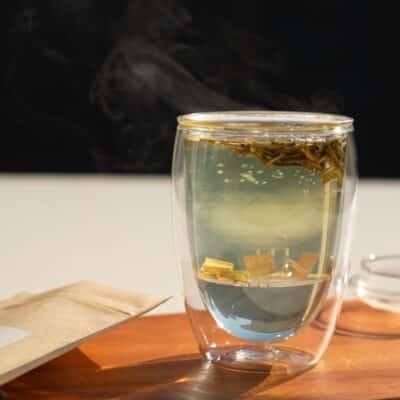
 This product has multiple variants. The options may be chosen on the product page
 This product has multiple variants. The options may be chosen on the product page
 This product has multiple variants. The options may be chosen on the product page
 This product has multiple variants. The options may be chosen on the product page
 This product has multiple variants. The options may be chosen on the product page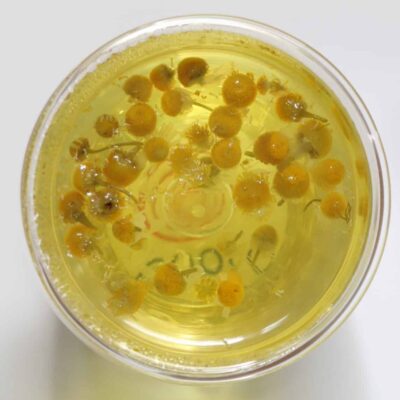
 This product has multiple variants. The options may be chosen on the product page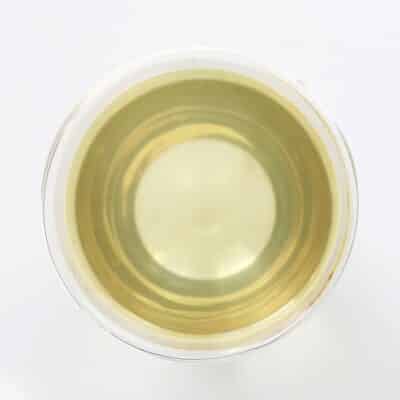
 This product has multiple variants. The options may be chosen on the product page