READ MORE
can tea really help with sleep?
Certain herbal teas contain naturally occurring compounds – such as apigenin in chamomile and rosmarinic acid in lemon balm – that interact with the nervous system to promote relaxation and ease the transition into sleep.
Beyond their botanical properties, building a consistent evening tea ritual can itself signal to your body that it is time to slow down, making the habit as valuable as the cup itself.
which teas are in this collection?
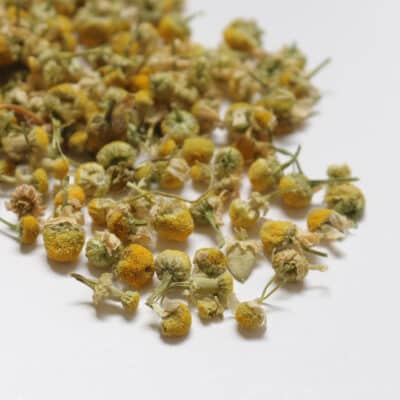
Chamomile Tea: The most widely recognised sleep tea in the world. Chamomile contains apigenin, an antioxidant that binds to receptors in the brain associated with sleepiness and reduced anxiety. Caffeine-free with a soft, honeyed, apple-like flavour.
Lemon Balm Tea: A caffeine-free member of the mint family with a fresh, gently lemony flavour. Lemon balm is traditionally used to calm nervous tension and reduce the mental restlessness that can make it hard to fall asleep.
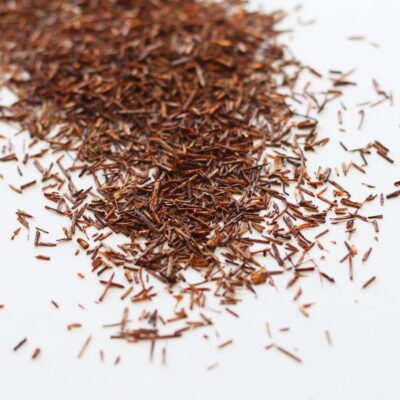
Pure Red Rooibos: A naturally caffeine-free South African herbal tea with a warm, slightly sweet flavour. Rooibos contains aspalathin and other antioxidants that may help reduce cortisol levels, supporting a calmer state before sleep.
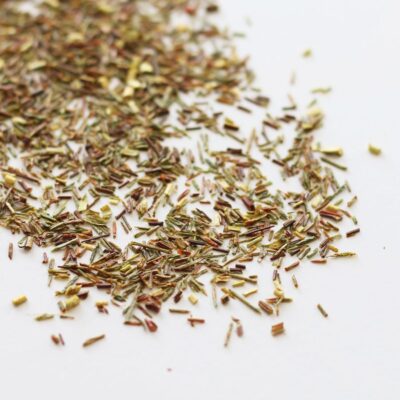
Green Rooibos: The unfermented, lighter version of red rooibos – caffeine-free and even higher in antioxidants, with a more delicate, grassy flavour. A good choice for those who find red rooibos slightly too rich in the evening.
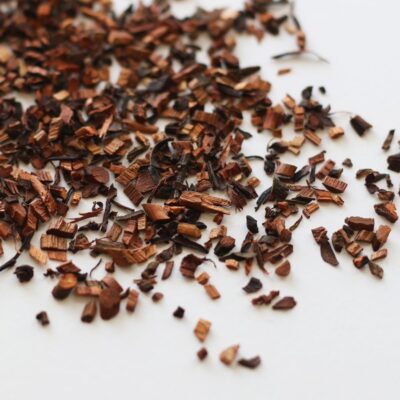
Honeybush Tea: A caffeine-free South African herbal tea closely related to rooibos, with a naturally sweet, honey-like taste that needs no added sugar. Its gentle flavour and calming profile make it an ideal bedtime cup.
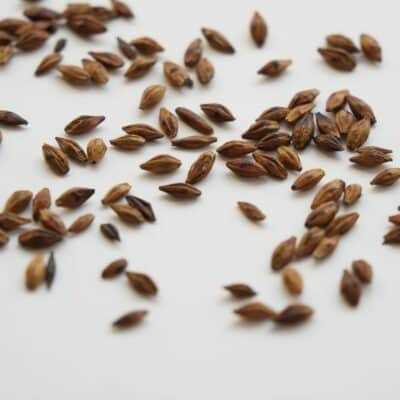
Barley Tea: A caffeine-free roasted grain tea popular across East Asia as an evening drink. Its warm, toasty flavour is deeply comforting, and it contains melatonin – the hormone that regulates the sleep-wake cycle.
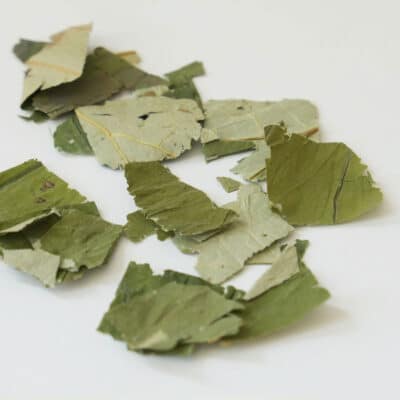
Lotus Leaf Tea: A caffeine-free herbal tea made from dried lotus leaves, traditionally used in Chinese herbal medicine to calm the mind and support restful sleep. It has a light, slightly earthy, floral quality.
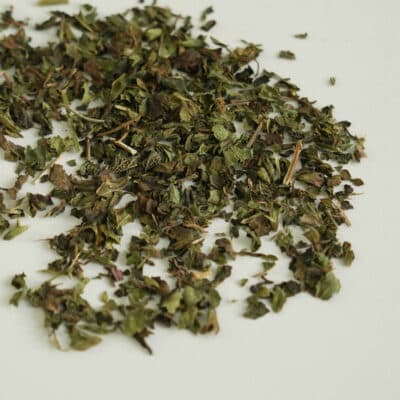
Whole Leaf Peppermint Tea: A caffeine-free classic with a cooling, muscle-relaxing effect that can help ease physical tension before bed. Particularly useful if stress or discomfort is keeping you awake.
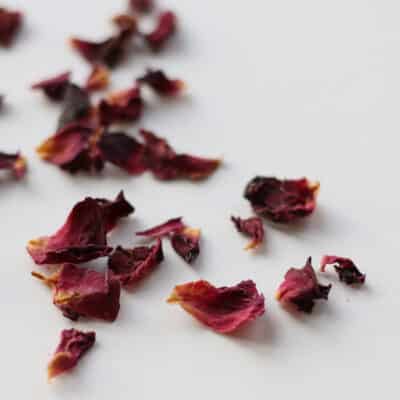
Rose Petal Tea: A delicate caffeine-free floral infusion traditionally associated with calming the nervous system and easing anxiety. Light, fragrant, and beautiful to brew.
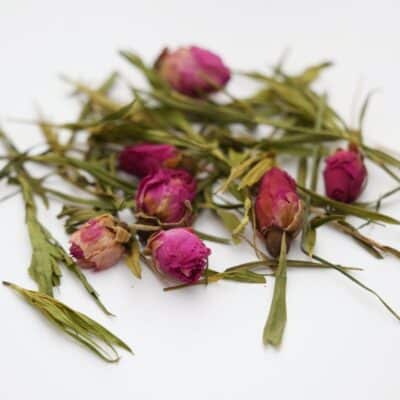
“Glow Up” Bamboo & Rose Herbal Tea Blend: A caffeine-free blend of bamboo leaf and rose, combining the calming properties of rose with the nourishing silica content of bamboo for a soothing evening cup that also supports skin health overnight.
are all of these teas caffeine-free?
Yes – every tea in this collection is completely caffeine-free, making them all safe to enjoy in the hours before bed without any risk of disrupting your ability to fall or stay asleep.
If you are sensitive to caffeine, it is worth knowing that even decaffeinated teas retain a small amount, so a true herbal infusion – like the ones in this collection – is always the safest evening choice.
when should I drink sleep tea?
Most sleep teas work best when drunk 30-60 minutes before bed as part of a consistent wind-down routine.
Pairing your tea with other low-stimulation activities – reading, gentle stretching, or dimming the lights – can help reinforce the signal to your body that sleep is on its way.
how to brew teas for sleep
Chamomile, Lemon Balm, Peppermint, Rose Petal, Lotus Leaf: Use freshly boiled water (100°C), 2-3g per 350ml, steep for 5-7 minutes.
Red Rooibos, Green Rooibos, Honeybush: Use freshly boiled water (100°C), 3-4g per 350ml, steep for 5-7 minutes. These can be re-infused and are also lovely with a splash of oat milk.
Barley Tea: Use freshly boiled water (100°C), 4-5g per 350ml, steep for 5 minutes. Can also be cold brewed in the fridge for a soothing chilled drink.
“Glow Up” Bamboo & Rose Blend: Use freshly boiled water (100°C), 2-3g per 350ml, steep for 5-7 minutes.

 This product has multiple variants. The options may be chosen on the product page
 This product has multiple variants. The options may be chosen on the product page
 This product has multiple variants. The options may be chosen on the product page
 This product has multiple variants. The options may be chosen on the product page
 This product has multiple variants. The options may be chosen on the product page
 This product has multiple variants. The options may be chosen on the product page
 This product has multiple variants. The options may be chosen on the product page
 This product has multiple variants. The options may be chosen on the product page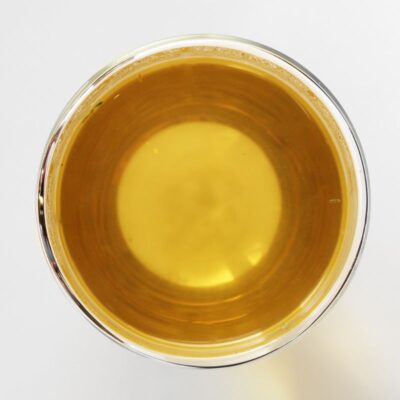
 This product has multiple variants. The options may be chosen on the product page
 This product has multiple variants. The options may be chosen on the product page