READ MORE
how can tea support healthy skin?
Many teas are naturally high in polyphenols, flavonoids, and other antioxidants that help neutralise free radicals – one of the key drivers of premature skin ageing.
Anti-inflammatory compounds found in herbs like calendula, rose, and hibiscus can help soothe irritated skin from the inside out, while teas rich in silica – such as bamboo leaf – are associated with improved skin elasticity and collagen support.
which teas are best for skin health?
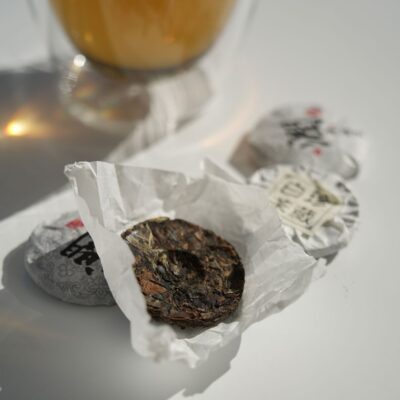
White Tea (Shou Mei): One of the least processed tea types, white tea retains exceptionally high levels of antioxidants. Our Shou Mei mini cakes – both fresh and aged – are prized for their ability to protect skin cells from oxidative damage.
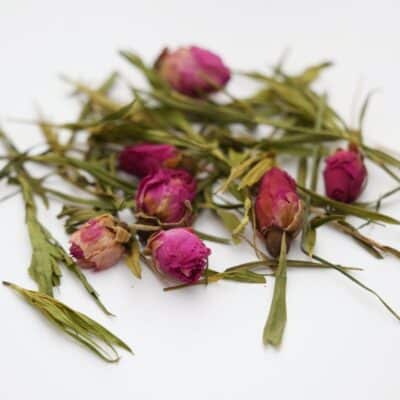
“Glow Up” Bamboo & Rose Blend: A caffeine-free herbal blend created specifically with skin health in mind. Bamboo leaf is one of the richest plant sources of silica, which supports collagen production, while rose adds a floral softness and its own antioxidant properties.
Bamboo Leaf Tea: A caffeine-free herbal tea with a clean, light flavour and a high silica content, making it a popular choice for those looking to support skin elasticity and nail strength naturally.
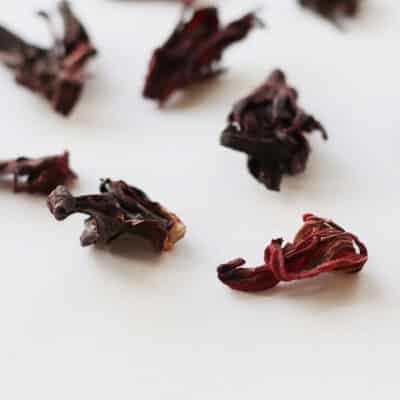
Hibiscus Flower Tea: Vibrantly red and caffeine-free, hibiscus is loaded with vitamin C and anthocyanins that help brighten skin tone and support the body’s natural collagen synthesis.
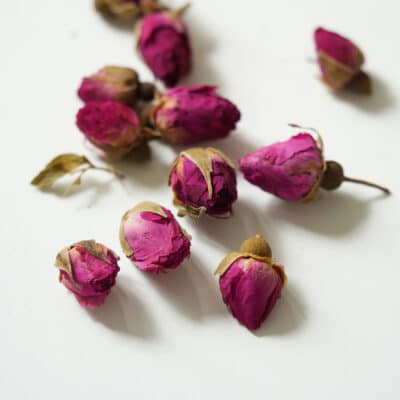
Rose Bud Tea: A caffeine-free floral infusion rich in vitamin C and natural astringents that have long been associated with soothing redness and promoting a healthy glow.
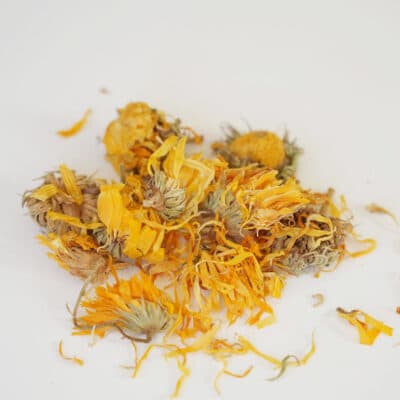
Calendula Tea: Made from marigold flowers, this caffeine-free herbal tea is well known for its anti-inflammatory and skin-soothing properties, often used to calm irritation and support healing.
Greek Rock Rose Leaf Tea: A caffeine-free wild-harvested herbal tea from Greece, rock rose (Cistus) is rich in polyphenols and is traditionally used for its anti-ageing and antimicrobial properties.
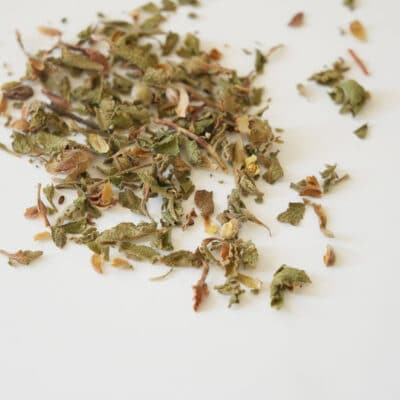
Lady’s Mantle Tea: A caffeine-free European herbal tea with a gentle, grassy flavour, traditionally valued for its astringent and anti-inflammatory qualities that support skin tone and texture.
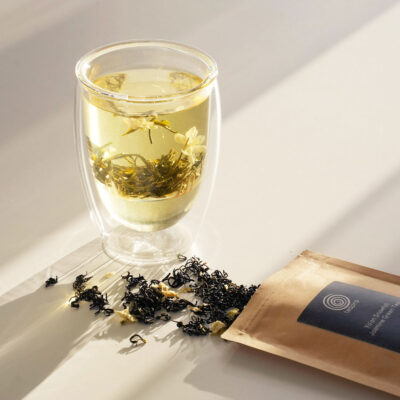
Ya’an Snowfall Jasmine Green Tea: A premium scented green tea with a low-medium caffeine content, combining the antioxidant power of green tea with the calming, skin-friendly properties of jasmine blossom.
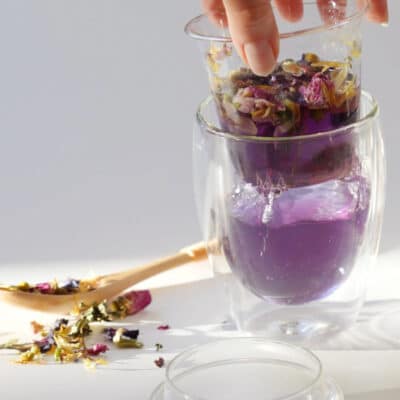
Magic Love Potion Blue Tea Blend: A caffeine-free colour-changing blend built around butterfly pea flower, which is rich in anthocyanins linked to skin health and UV protection support.
what caffeine level should I choose?
The majority of teas in this collection are caffeine-free, making them suitable at any time of day – including as a calming evening ritual that doubles as a skin-care routine.
For those who prefer a caffeinated option, our white teas and Jasmine Green Tea offer a lighter caffeine content alongside a high concentration of skin-protective antioxidants.
how to brew teas for healthy skin
Herbal teas (hibiscus, rose, calendula, bamboo, rock rose, lady’s mantle): Use freshly boiled water (100°C), 2-3g per 350ml, steep for 5-7 minutes.
White tea (Shou Mei): Use water at 85-90°C, 3-4g per 350ml, steep for 2-3 minutes. High-quality leaves can be re-infused 2-3 times.
Jasmine Green Tea: Use water at 75-80°C, 2-3g per 350ml, steep for 1-2 minutes to avoid bitterness.
Magic Love Potion: Use water at 90-95°C, 2-3g per 350ml, steep for 5 minutes. Add a squeeze of lemon to see the colour change from blue to pink.
can I use these teas topically as well as drinking them?
Some of these teas – particularly rose, calendula, and hibiscus – have a long history of topical use in skincare.
Cooled hibiscus or rose tea can be used as a gentle facial rinse. However, drinking them regularly as part of a balanced diet is where you are most likely to notice the cumulative benefits for your skin over time.

 This product has multiple variants. The options may be chosen on the product page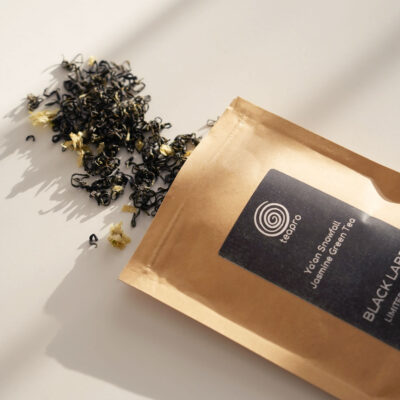
 This product has multiple variants. The options may be chosen on the product page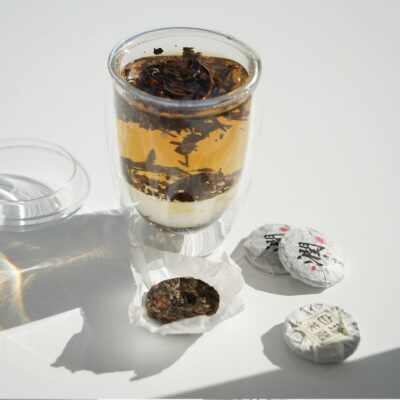
 This product has multiple variants. The options may be chosen on the product page
 This product has multiple variants. The options may be chosen on the product page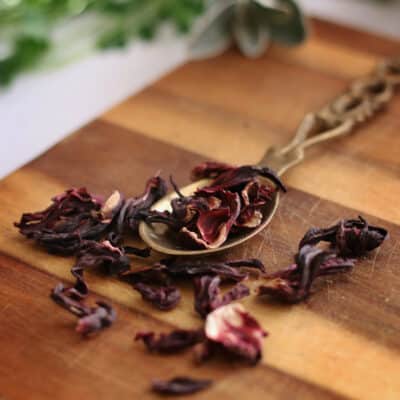
 This product has multiple variants. The options may be chosen on the product page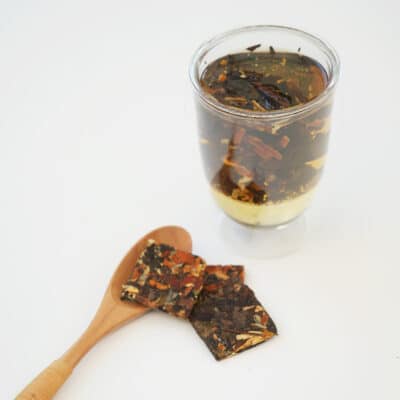
 This product has multiple variants. The options may be chosen on the product page
 This product has multiple variants. The options may be chosen on the product page
 This product has multiple variants. The options may be chosen on the product page
 This product has multiple variants. The options may be chosen on the product page
 This product has multiple variants. The options may be chosen on the product page
 This product has multiple variants. The options may be chosen on the product page
 This product has multiple variants. The options may be chosen on the product page