READ MORE
can tea support healthy eyes?
Tea is naturally rich in antioxidants, particularly flavonoids and catechins, which help protect the eyes from oxidative stress – a contributing factor in conditions such as cataracts and age-related macular degeneration.
Certain teas also contain compounds that support circulation to the optic nerve and reduce inflammation, making them a worthwhile addition to a healthy lifestyle.
which teas are in this collection?
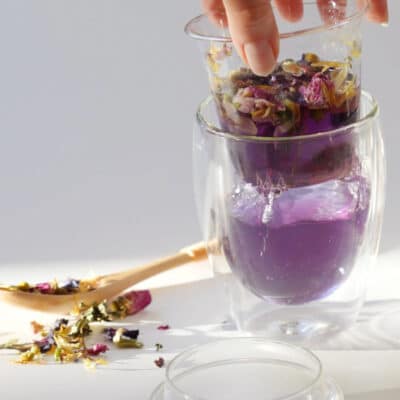
Butterfly Pea Tea: A striking caffeine-free blue tea from Thailand, rich in anthocyanins – pigment compounds that have been studied for their potential to support retinal health and improve night vision.
Magic Love Potion Blue Tea Blend: A caffeine-free colour-changing herbal blend built around butterfly pea flower, combining eye-supporting antioxidants with a visually magical brewing experience.
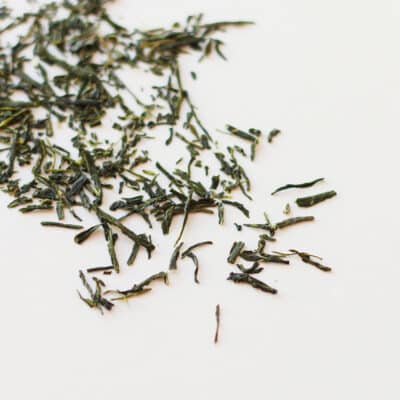
Gyokuro Green Tea: One of Japan’s most prized shade-grown teas, Gyokuro is exceptionally high in catechins and L-Theanine. Its slow, shaded growth concentrates nutrients that support overall eye health.
Ginkgo Biloba Tea: A caffeine-free herbal tea traditionally associated with improved circulation, including blood flow to the eyes. It has a light, slightly earthy flavour and is gentle enough to enjoy daily.
what caffeine level should I choose?
Three of the four teas in this collection are caffeine-free, making them suitable at any time of day, including the evening.
Gyokuro is the exception – as a shade-grown green tea, it contains a medium level of caffeine, balanced by a high concentration of L-Theanine for a calm, focused energy rather than a jolt.
how to brew teas for healthy eyes
Butterfly Pea Tea: Use water at 90-95°C, 2-3g per 350ml, steep for 5 minutes. Add a squeeze of lemon to watch it turn purple.
Magic Love Potion: Use water at 90-95°C, 2-3g per 350ml, steep for 5 minutes.
Gyokuro: Use cooler water at 60-70°C, 3g per 150ml, steep for 1-2 minutes. This preserves its delicate umami sweetness.
Ginkgo Biloba: Use water at 90-95°C, 2-3g per 350ml, steep for 5 minutes.
are there any precautions to be aware of?
Ginkgo biloba may interact with blood-thinning medications. If you are on any prescription medicine, check with your doctor before drinking it regularly.
These teas are not a substitute for medical advice or eye care. If you have concerns about your vision or eye health, please consult a qualified healthcare professional.

 This product has multiple variants. The options may be chosen on the product page
 This product has multiple variants. The options may be chosen on the product page
 This product has multiple variants. The options may be chosen on the product page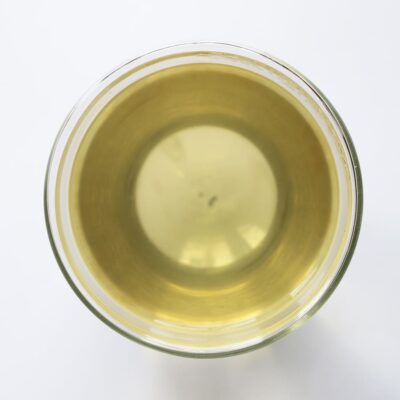
 This product has multiple variants. The options may be chosen on the product page