READ MORE
how does tea support digestion?
Tea supports digestive health through a number of different mechanisms, depending on the type. Some teas stimulate bile production and support the liver, making fat digestion more efficient. Others relax smooth muscle in the digestive tract, relieving cramping and bloating. Some reduce gut inflammation, support the gut microbiome, or provide gentle motility-stimulating properties that keep digestion moving comfortably.
The range of teas in this collection reflects that diversity – from the microbially active fermented compounds in aged pu-erh to the antispasmodic volatile oils in lemon balm and lemongrass, each tea works through its own distinct pathway. Together they cover a comprehensive range of digestive needs.
what does digestive tea taste like?
The flavour range across our digestion collection is wide and genuinely varied, because the best digestive teas come from many different plant families and growing regions.
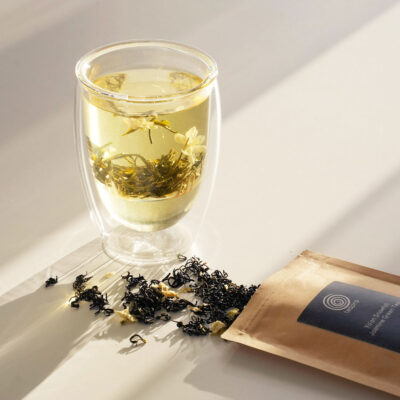
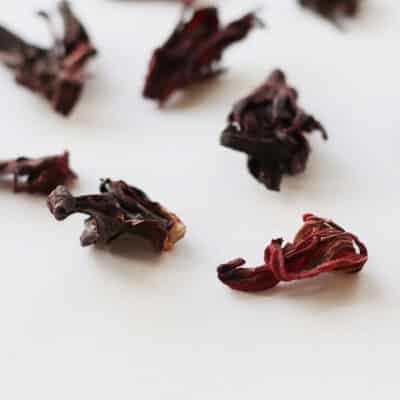
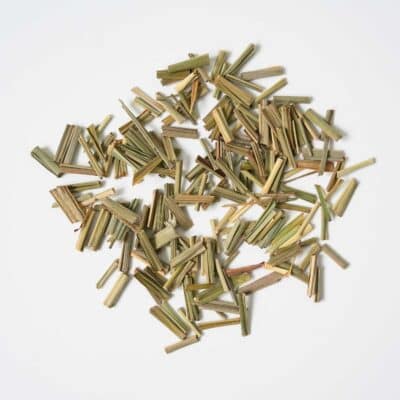
Aged Sheng Pu-erh is earthy and complex – one of the deepest, most evolved flavour experiences in the tea world. Jasmine Green is light and delicately floral. Shou Mei white tea is gently sweet and mellow. Hibiscus is vivid and tart. Lemongrass is bright and citrusy. Lemon Balm is softly herbal with a clean, lemony freshness.
Bamboo Leaf is mild and slightly grassy. Maca Root has a distinctive warm, malt-like earthiness. Lady’s Mantle is gentle and pleasantly astringent. African Padauk Bark produces a warming, woody brew with a rich traditional heritage. Whatever kind of digestive support you are looking for, there is a flavour in this collection to suit you.
how do the teas in this collection support digestion?
Each tea contributes to digestive wellness through a different mechanism, and the collection as a whole addresses a wide range of digestive concerns.
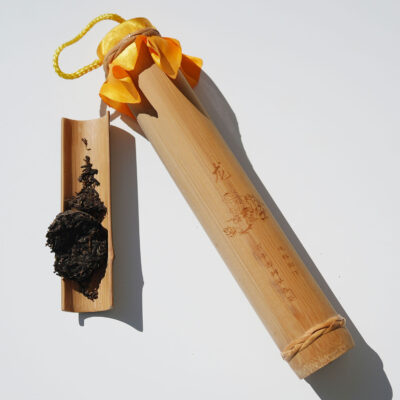
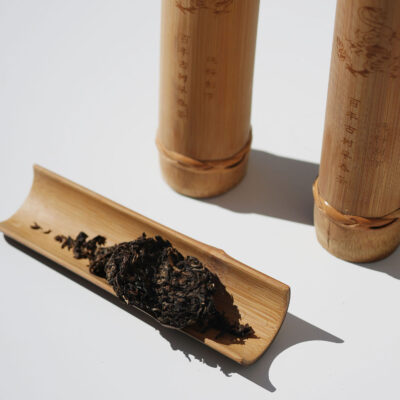
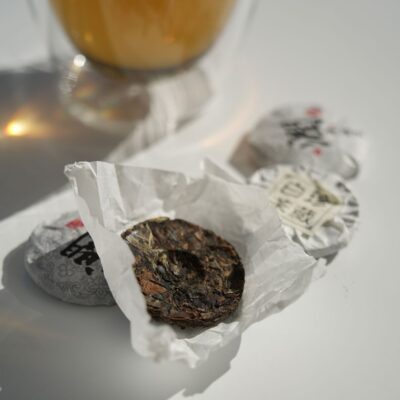
Pu-erh (Aged Sheng): Fermented and aged, pu-erh has been used in China for centuries specifically as a post-meal digestive tea. Its unique microbial fermentation produces compounds associated with bile acid stimulation, lipid metabolism support, and gut microbiome balance – making it one of the most historically significant digestive teas in the world.
Jasmine Green Tea: Green tea polyphenols support healthy gut bacteria and reduce gut inflammation. Jasmine adds its own gentle antispasmodic properties, making this a pleasantly soothing post-meal option.
Shou Mei White Tea: Rich in polyphenols associated with gut health, white tea is gentle on the stomach and well tolerated even by those with sensitive digestion.
Hibiscus: Contains organic acids including citric and malic acid that stimulate digestive enzyme activity and support healthy gut motility. Its mild diuretic properties also help reduce water retention and bloating.
Lemongrass: Contains citral and other volatile oils with well-documented antispasmodic and carminative (gas-relieving) properties. Widely used in Asian traditional medicine specifically for digestive comfort.
Lemon Balm: A nervine herb with antispasmodic properties particularly associated with relieving IBS-related cramping and digestive discomfort linked to stress and anxiety.
Bamboo Leaf: Rich in silica and flavonoids, bamboo leaf supports gut lining integrity and has mild anti-inflammatory properties beneficial for digestive health.
Maca Root: A Peruvian adaptogen with prebiotic fibre that feeds beneficial gut bacteria and supports healthy digestive function alongside its broader hormonal and energy-supporting properties.
Lady’s Mantle: A traditional European herb used for centuries to ease digestive discomfort, bloating, and gut inflammation. Particularly associated with supporting digestive health in women.
African Padauk Bark: Used in traditional African medicine for its digestive and anti-inflammatory properties, with a long history of use for gut discomfort and liver support.
how to brew digestive tea
Many of the most effective digestive teas are best drunk warm, shortly before or after a meal, to give the active compounds time to work alongside the digestive process.
Green tea and jasmine green: 70-80°C, 1-2 minutes
White tea (Shou Mei): 75-80°C, 2-3 minutes
Pu-erh (Aged Sheng): 90-100°C, 2-3 minutes, re-steepable multiple times
Herbal teas (hibiscus, lemongrass, lemon balm, bamboo, maca root, lady’s mantle, African Padauk Bark): 90-100°C, 5-10 minutes
what caffeine levels are available?
Our digestion collection covers the full caffeine spectrum. Pu-erh and green teas contain low-to-medium caffeine and are excellent daytime digestive companions. White tea is gentle and low in caffeine.
The majority of the herbal teas in this collection – including hibiscus, lemongrass, lemon balm, bamboo leaf, maca root, lady’s mantle, and African Padauk Bark – are all completely caffeine-free, making them ideal choices for after-dinner or evening use when digestive support is most commonly needed.
when is the best time to drink digestive tea?
After meals is the most traditional and practically effective time – drinking a warm cup of pu-erh, jasmine green, or lemon balm 20-30 minutes after eating allows the active compounds to support digestion as it is underway. Many people find this a genuinely helpful and enjoyable daily ritual.
Caffeine-free herbal options like lemon balm and lemongrass are particularly well suited to evening use, where they combine digestive support with a gently calming effect that also aids sleep quality.
is digestive tea good for beginners?
Lemongrass, lemon balm, and hibiscus are among the most immediately approachable teas available – naturally caffeine-free, bright in flavour, and completely straightforward to brew. They make excellent starting points for anyone new to using tea as a wellness tool.
For those ready to explore the deeper end of the digestive tea world, aged Sheng pu-erh is a genuinely fascinating and historically significant tea – one of the most distinctive and rewarding cups in our entire collection, and a tea that has been trusted for digestive support across Chinese culture for many centuries.

 This product has multiple variants. The options may be chosen on the product page
 This product has multiple variants. The options may be chosen on the product page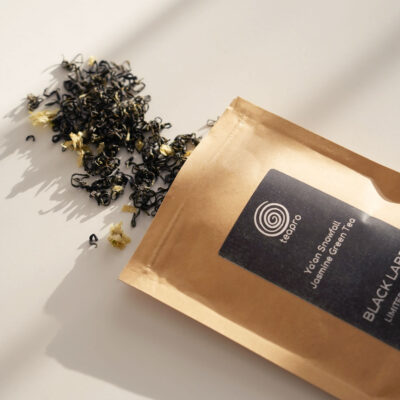
 This product has multiple variants. The options may be chosen on the product page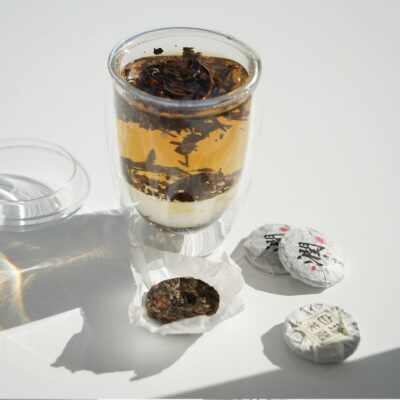
 This product has multiple variants. The options may be chosen on the product page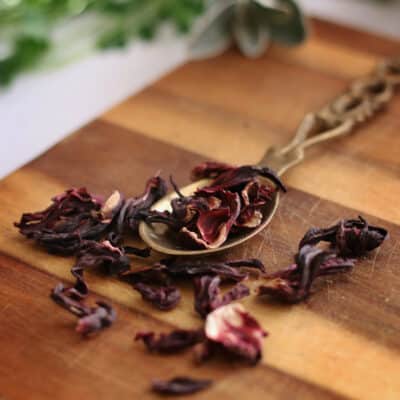
 This product has multiple variants. The options may be chosen on the product page
 This product has multiple variants. The options may be chosen on the product page
 This product has multiple variants. The options may be chosen on the product page
 This product has multiple variants. The options may be chosen on the product page
 This product has multiple variants. The options may be chosen on the product page
 This product has multiple variants. The options may be chosen on the product page
 This product has multiple variants. The options may be chosen on the product page