READ MORE
what are antioxidants and why do they matter?
Antioxidants are compounds that neutralise free radicals – unstable molecules produced by normal metabolism, stress, pollution, and UV exposure that damage cells over time. Oxidative stress from an accumulation of free radicals is associated with inflammation, accelerated ageing, and the development of chronic disease.
Dietary antioxidants from food and drink help interrupt this process. Tea – particularly true tea from the Camellia sinensis plant – is one of the most antioxidant-dense beverages in the world, and regular consumption is associated in numerous studies with reduced markers of oxidative stress, improved cardiovascular health, and a range of other positive health outcomes.
which teas are highest in antioxidants?
All true teas contain antioxidants, but the type and concentration vary significantly by tea style and processing method. The key antioxidant compounds in tea include catechins (particularly EGCG), polyphenols, theaflavins, thearubigins, and flavonoids – each with distinct properties and found in different concentrations across tea types.
Matcha is the highest-antioxidant tea in our range – because you consume the entire stone-ground leaf rather than just what steeps into water, a single serving of matcha delivers significantly more antioxidants than any steeped tea. Its EGCG content in particular is exceptional.
Green tea is one of the most studied antioxidant-rich beverages in the world, with high concentrations of catechins, particularly EGCG. The less a green tea is processed, the more of these compounds it retains.
White tea undergoes the least processing of any true tea, meaning its natural antioxidant compounds are preserved in their most intact form. It is particularly rich in catechins and associated with skin-supporting and anti-ageing properties.
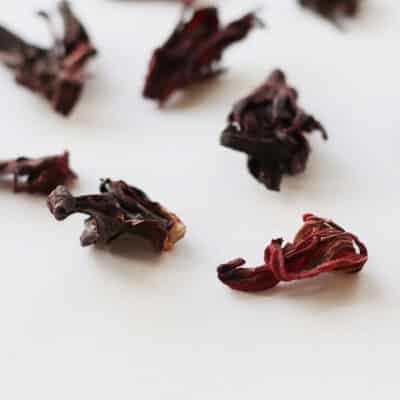
Hibiscus is exceptionally rich in anthocyanins – some of the most potent antioxidants in the plant kingdom — and has among the highest antioxidant ratings of any botanical tea.
Rooibos contains aspalathin – a unique antioxidant found nowhere else in nature – alongside other flavonoids associated with cardiovascular and anti-inflammatory support.
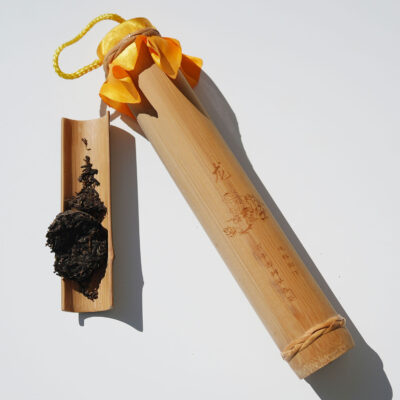
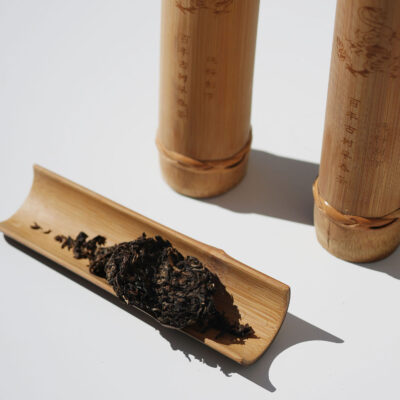
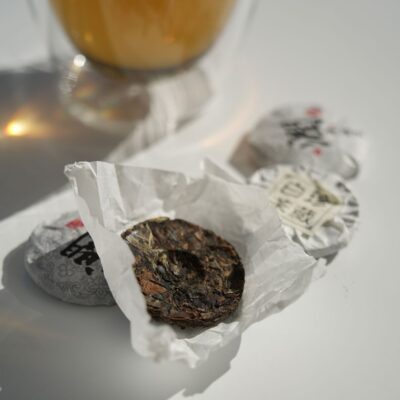
Pu-erh tea develops unique bioactive compounds through its long fermentation and ageing process, with a distinctive antioxidant profile that continues to evolve as the tea ages.
how do antioxidants in tea support health?
The antioxidants in tea are associated with a wide range of studied health benefits, though it is worth noting that tea is a complement to a healthy lifestyle rather than a medicine.
Cardiovascular health: Polyphenols and catechins in tea are associated with improved cholesterol profiles, reduced blood pressure, and better arterial function. Theaflavins in black tea have been specifically linked to LDL cholesterol reduction in multiple studies.
Anti-inflammatory effects: EGCG and other catechins have demonstrated anti-inflammatory properties in research, potentially contributing to the reduced risk of chronic inflammatory conditions associated with regular tea drinking.
Metabolic support: Green tea antioxidants – particularly EGCG – are among the most studied natural compounds for their association with metabolic health, fat oxidation, and blood sugar regulation.
Cellular protection: By neutralising free radicals, tea antioxidants contribute to the protection of DNA, proteins, and cell membranes from oxidative damage – one of the mechanisms through which regular tea drinking has been associated with healthy ageing.
how to brew antioxidant teas
Brewing temperature matters significantly for antioxidant content. Water that is too hot can degrade some of the more delicate catechins in green and white teas, while fully boiling water is appropriate for black teas, herbal infusions, and hibiscus.
Green tea & matcha: 70–80°C – preserves the highest catechin content
White tea: 75–80°C – protects delicate polyphenols
Black tea & pu-erh: 90–100°C – extracts theaflavins and thearubigins effectively
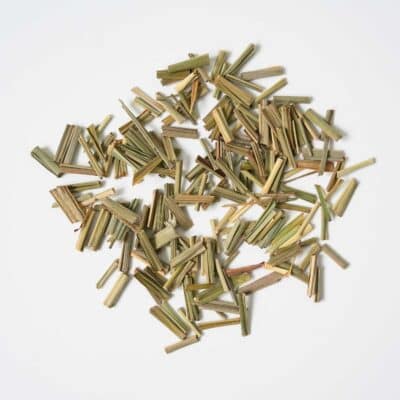
Herbal teas (hibiscus, rooibos, lemongrass): 90–100°C – fully extracts anthocyanins and flavonoids
does cold brewing affect antioxidant content?
Cold brewing generally preserves antioxidants very well – in some studies, cold-brewed green tea has been shown to retain similar or even higher levels of certain catechins compared to hot-brewed tea, while reducing bitterness and astringency significantly.
Add 4g of tea to 500ml of cold water and steep in the fridge for 4–8 hours.
Cold-brewed white tea and green tea are particularly delicious and remain excellent sources of dietary antioxidants – making cold brewing a genuinely health-supportive as well as flavour-positive choice.
what caffeine levels are available?
Our antioxidant collection spans the full caffeine spectrum. Matcha and green teas sit at the higher end; white teas are gentle and low in caffeine; and hibiscus, rooibos, bamboo leaf, lemongrass, and many other herbal options are completely caffeine-free.
This means antioxidant-rich teas are available for every time of day – from an energising morning matcha to a caffeine-free hibiscus in the evening, each delivering its own distinct antioxidant profile.
is antioxidant tea good for beginners?
Absolutely – many of the most antioxidant-rich teas in our range are also among the most approachable. Hibiscus is vivid, naturally tart, and completely caffeine-free. Green rooibos and pure rooibos are naturally sweet and smooth. White tea is delicate and gently pleasant.
For those ready to explore the highest antioxidant content available, our ceremonial grade matcha is a genuinely transformative experience – and with our brewing guidance, it is far more straightforward to prepare than its reputation might suggest.

 This product has multiple variants. The options may be chosen on the product page
 This product has multiple variants. The options may be chosen on the product page
 This product has multiple variants. The options may be chosen on the product page
 This product has multiple variants. The options may be chosen on the product page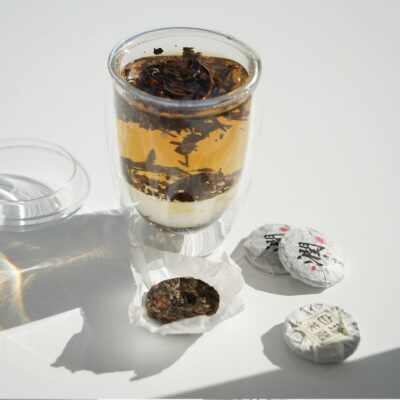
 This product has multiple variants. The options may be chosen on the product page
 This product has multiple variants. The options may be chosen on the product page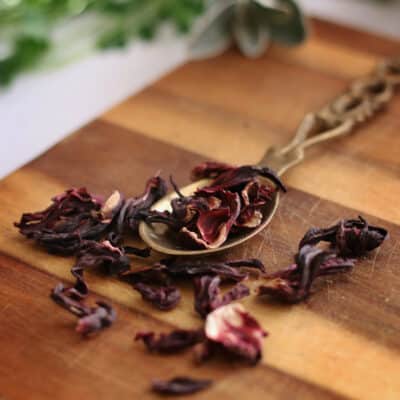
 This product has multiple variants. The options may be chosen on the product page
 This product has multiple variants. The options may be chosen on the product page
 This product has multiple variants. The options may be chosen on the product page
 This product has multiple variants. The options may be chosen on the product page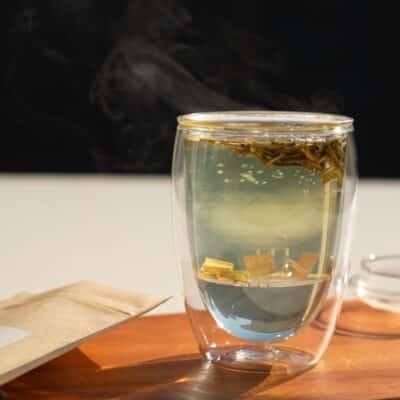
 This product has multiple variants. The options may be chosen on the product page