READ MORE
how does tea support the immune system?
Tea supports immune health through several interconnected mechanisms. The most important is its exceptionally high antioxidant content – polyphenols, catechins, and flavonoids that protect immune cells from oxidative damage and help maintain the integrity of the body’s cellular defences. True teas like green tea and matcha are among the most studied natural antioxidant sources in the world.
Beyond antioxidants, specific botanicals in this collection contribute their own distinct immune mechanisms – from echinacea’s well-documented immunostimulant activity to hibiscus’s high vitamin C content, barley tea’s beta-glucan fibres, and lemongrass’s antimicrobial volatile oils. Together the collection offers a genuinely comprehensive range of natural immune support.
It is also worth noting the indirect route: stress is one of the most significant suppressors of immune function, and several teas in this collection – including white tea and jasmine green tea – are naturally rich in L-Theanine, which promotes calm focus and helps manage the physiological effects of stress on the body.
what does immune-supporting tea taste like?
The flavour range across our immune collection is intentionally wide – because the most effective immune-supporting plants come from very different botanical families and growing regions around the world.
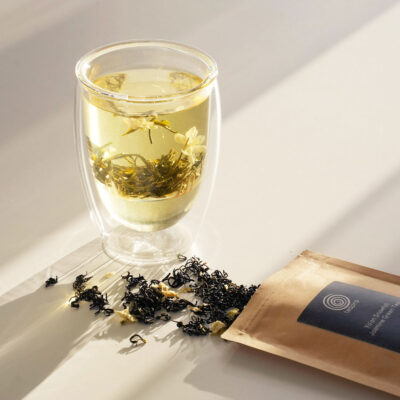
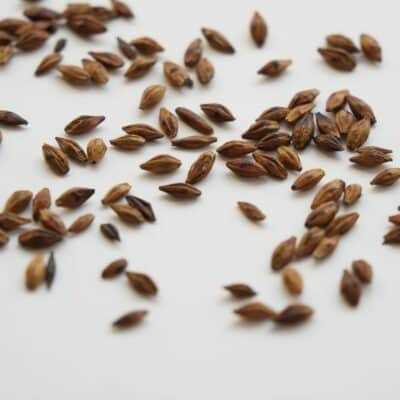
Matcha is rich, creamy, and umami-forward. Jasmine Green Tea is light and delicately floral. Shou Mei white teas are gently honeyed and mellow. Hibiscus is vivid and tart. Lemongrass is bright and citrusy. Bamboo Leaf is mild and lightly grassy. Echinacea has a distinctive earthy, slightly spicy character. Barley Tea is toasted, nutty, and warming – one of the most comforting and nourishing teas in the range.
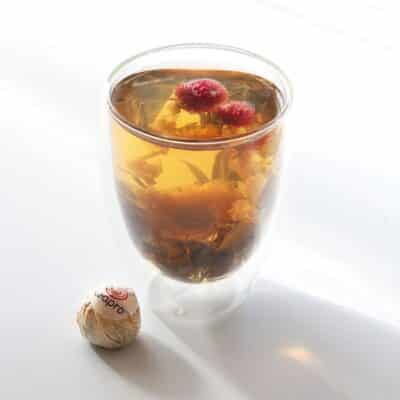
Lady’s Mantle is gently astringent and herbaceous. African Padauk Bark is earthy and warming. Flowering teas add visual beauty to their gentle green tea character. There is something in this collection for every palate and every season.
how do the key teas support immune function?
Matcha: The highest concentration of EGCG of any tea – a catechin with well-documented antiviral, antibacterial, and immune-modulating properties. One of the most studied natural compounds for immune health.
Jasmine Green Tea: Rich in catechins and polyphenols associated with immune cell activity, combined with jasmine’s own antimicrobial properties. A gentle, daily immune-supporting cup.
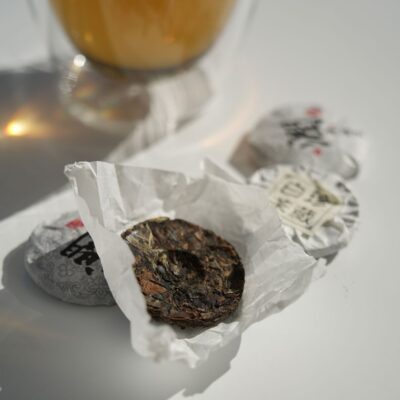
Shou Mei White Tea: Minimally processed, retaining the full spectrum of natural polyphenols. White tea has been specifically studied for its antiviral and antibacterial properties.
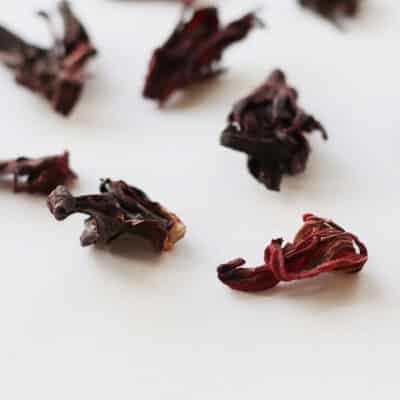
Hibiscus: Exceptionally rich in vitamin C and anthocyanins – both directly associated with immune cell function and the body’s first-line antiviral defences.
Echinacea: One of the most clinically studied medicinal herbs for immune support, with evidence for both stimulating innate immune activity and reducing the severity and duration of upper respiratory infections.
Barley Tea: Contains beta-glucans – soluble fibres associated with enhanced innate immune activity – alongside vitamins and minerals that support overall immune resilience. Naturally caffeine-free.
Bamboo Leaf: Rich in flavonoids and silica with anti-inflammatory and immune-modulating properties.
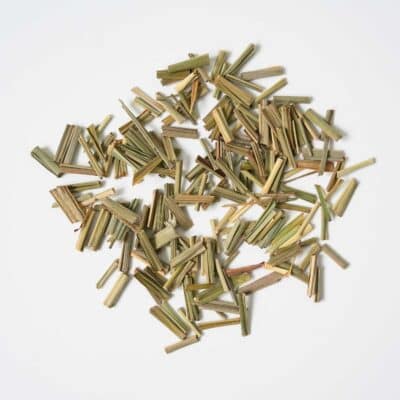
Lemongrass: Contains citral and other volatile oils with documented antimicrobial and anti-inflammatory properties, supporting the immune system’s ability to manage environmental challenges.
Lady’s Mantle: A traditional European medicinal herb with tannins and flavonoids associated with anti-inflammatory and immune-supporting activity.
African Padauk Bark: Rich in flavonoids with a long tradition of use in African herbal medicine for immune and anti-inflammatory support.
how to brew immune-supporting tea
Matcha: 70-75°C, whisked with 80ml water per 1-2g powder
Green teas (jasmine): 70-80°C, 1-2 minutes
White tea (Shou Mei): 75-80°C, 2-3 minutes
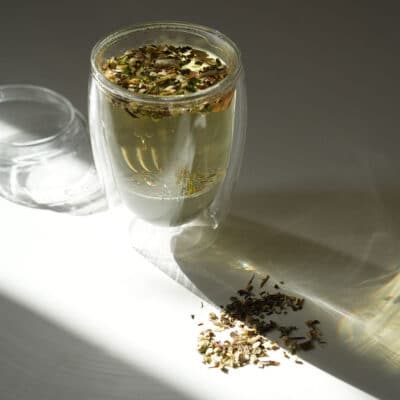
Herbal teas (hibiscus, echinacea, barley, lemongrass, bamboo, lady’s mantle, African Padauk Bark): 90-100°C, 5-10 minutes
what caffeine levels are available?
Our immune collection spans the full caffeine spectrum. Matcha and green teas are caffeinated – with their L-Theanine providing the added benefit of stress modulation alongside immune support. White tea is low in caffeine. The majority of the herbal options including hibiscus, echinacea, barley tea, lemongrass, bamboo leaf, lady’s mantle, and African Padauk Bark are all completely caffeine-free.
This means immune-supporting teas are available at every point in the day – from a focused, antioxidant-rich morning matcha to a caffeine-free echinacea or barley tea in the evening, when the body does much of its immune repair and regeneration during sleep.
is immune-supporting tea good for beginners?
Hibiscus and lemongrass are among the most approachable options – naturally caffeine-free, vivid in flavour, and immediately enjoyable without any specialist knowledge. Barley tea is similarly easy and deeply comforting – a wonderful starting point for anyone new to herbal wellness teas.
For those ready to explore the most potent immune-supporting options, echinacea and matcha offer the strongest natural compound profiles in the collection – both well worth incorporating as part of a consistent daily wellness routine, particularly during the autumn and winter months when immune resilience is most in demand.

 This product has multiple variants. The options may be chosen on the product page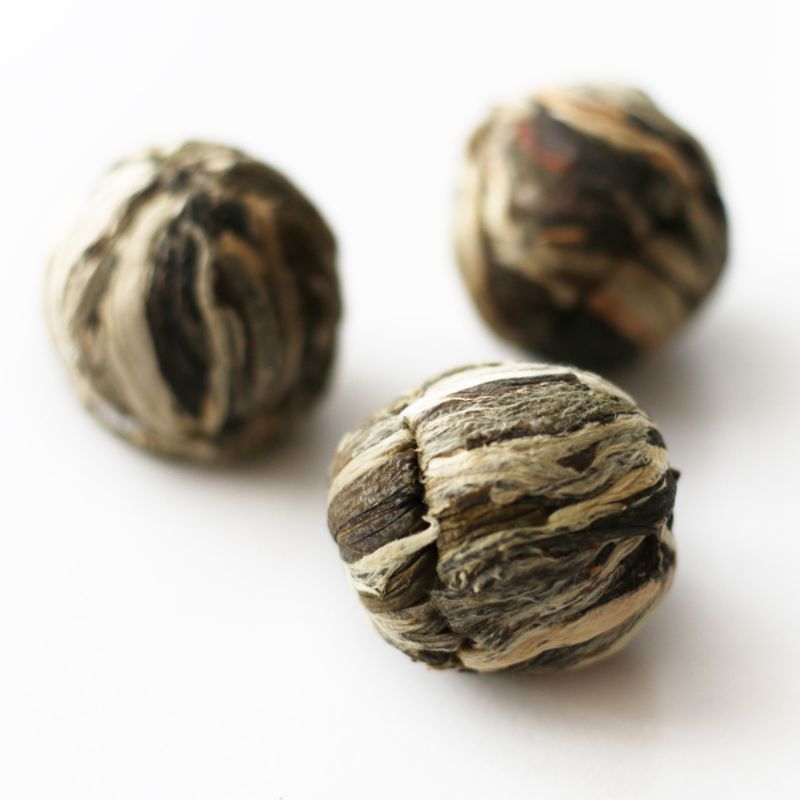
 This product has multiple variants. The options may be chosen on the product page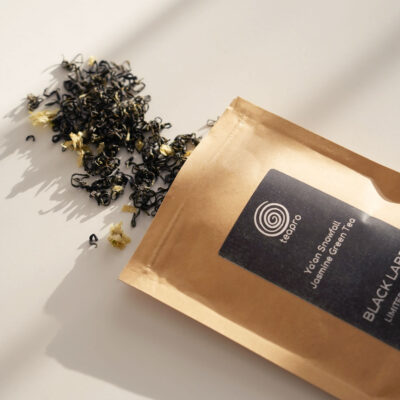
 This product has multiple variants. The options may be chosen on the product page
 This product has multiple variants. The options may be chosen on the product page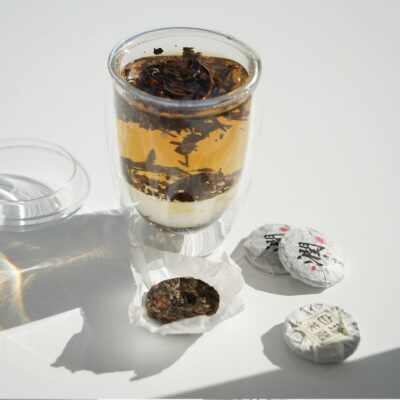
 This product has multiple variants. The options may be chosen on the product page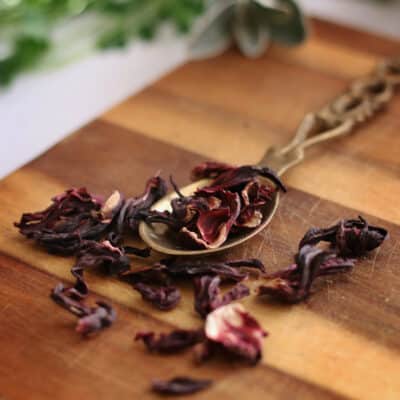
 This product has multiple variants. The options may be chosen on the product page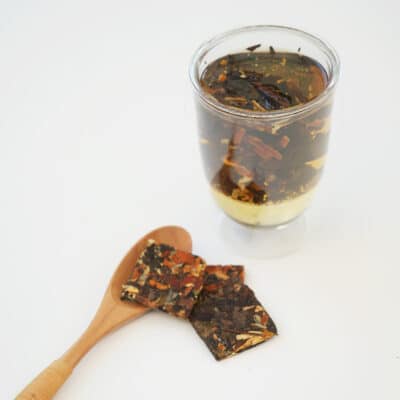
 This product has multiple variants. The options may be chosen on the product page
 This product has multiple variants. The options may be chosen on the product page
 This product has multiple variants. The options may be chosen on the product page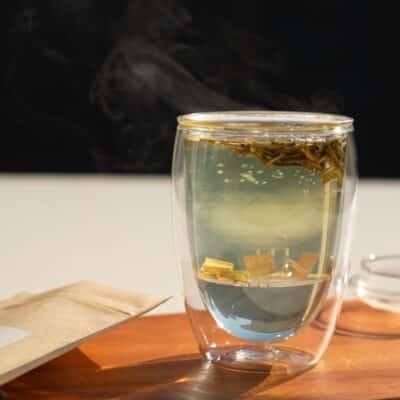
 This product has multiple variants. The options may be chosen on the product page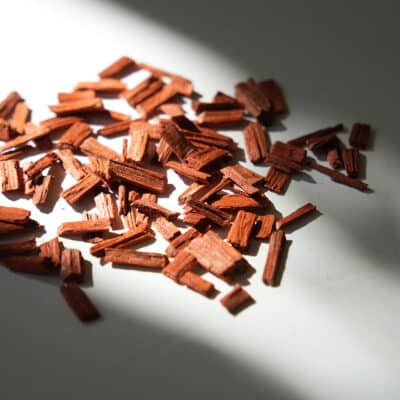
 This product has multiple variants. The options may be chosen on the product page
 This product has multiple variants. The options may be chosen on the product page