READ MORE
what makes Sichuan tea so special?
Mengding Mountain in Sichuan is considered by many tea historians to be the birthplace of cultivated tea in China. For over two millennia, monks and farmers on its misty slopes have tended tea gardens that sit above the clouds, producing leaves of extraordinary rarity and refinement.
The high altitude, persistent cloud cover, and cool mountain temperatures slow the growth of the tea plant significantly – concentrating flavour, sweetness, and natural compounds in every leaf. These are teas that carry the weight of history in every cup.
what does Sichuan tea taste like?
Both teas in our Sichuan collection are defined by the clarity and natural sweetness that high-mountain growing conditions produce – but they each express it very differently.
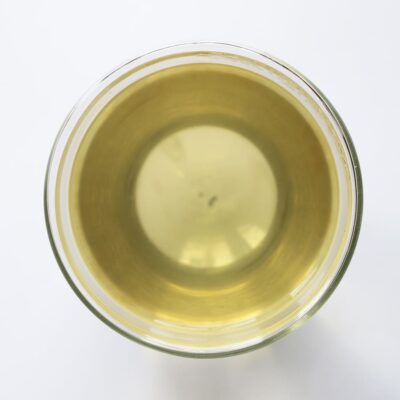
The Supreme Meng Ding Yellow Tea is one of China’s rarest tea styles – its unique “smothering” processing creates a cup that is mellow, smooth, and warmly sweet, with a soft, honeyed depth that is quite unlike any green or white tea.
Clouds & Mist (Yun Wu) is a classic high-mountain green tea – refreshing, clean, and gently sweet, with a subtle smokiness and a lingering finish that speaks quietly of altitude and morning mist.
how to brew Sichuan tea
Both teas are delicate and benefit from water below boiling to preserve their character and prevent any bitterness.
Water temperature: 75-80°C
Amount: 2-3g per 350ml
Steep time: 1-2 minutes
Infusions: High-quality Sichuan mountain teas reward multiple re-steeps – Clouds & Mist in particular opens up beautifully on the second and third infusion.
is Sichuan tea caffeinated?
Yes. Both the yellow tea and green tea contain moderate levels of caffeine – typically in the 25–40mg per cup range – paired with L-Theanine, which promotes calm, focused alertness rather than the sharp energy spike of coffee.
They make a wonderfully centring morning or afternoon cup – grounding, aromatic, and gently uplifting.
what are the health benefits?
High-mountain teas like those from Sichuan’s Mengding are prized not just for their flavour but for their natural compound density. Slow growth at altitude means leaves develop higher concentrations of antioxidants, amino acids, and polyphenols than their low-grown counterparts.
Yellow tea in particular retains many of the same antioxidant properties as green tea – including EGCG – while its gentle processing makes it even easier on the stomach, traditionally valued in Chinese medicine for digestive support and general wellbeing.
Sichuan teas at a glance
Our Sichuan collection celebrates two of Mengding Mountain’s most treasured teas.
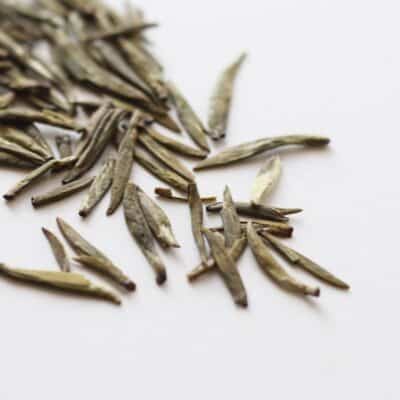
Supreme Meng Ding Buds Yellow Tea: One of China’s rarest and most historically significant teas – delicate silver buds with a mellow, honeyed sweetness and a smoothness unlike any other tea style. A genuine collector’s cup.
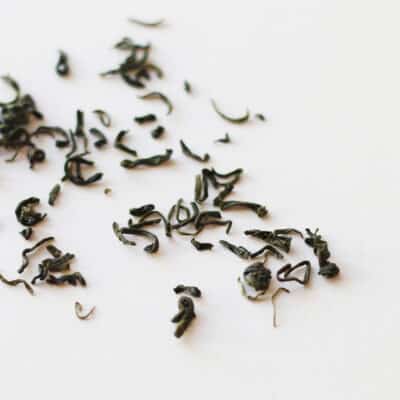
Clouds & Mist Green Tea (Yun Wu): A classic high-mountain green tea named for the mists that permanently shroud Mengding’s upper slopes – refreshing, naturally sweet, and gently smoky, with a clean finish that lingers long in the cup.
can you cold brew Sichuan tea?
Absolutely – and both teas respond beautifully to cold brewing. The natural sweetness and clarity of high-mountain leaves come through especially well when cold-steeped, producing a drink that is delicate, refreshing, and completely bitterness-free.
Add 3-4g of tea to 500ml of cold water and steep in the fridge for 4-6 hours.
Clouds & Mist served over ice is particularly stunning on a warm day.
how should I store Sichuan tea?
Store in a cool, dark, airtight container away from moisture, heat, and strong odours. Both the yellow and green teas are best enjoyed fresh – ideally within 6-12 months of harvest – to experience their mountain character at its most vivid.
Yellow tea is especially sensitive to moisture and light, so extra care with storage will be rewarded.
is Sichuan tea good for beginners?
Clouds & Mist is an excellent starting point – naturally smooth, gently sweet, and free of bitterness when brewed correctly. It’s a classic Chinese green tea that rewards curiosity without demanding expertise.
The Meng Ding Yellow Tea is rarer and more unusual, making it a particularly exciting discovery for anyone ready to explore beyond the familiar – one of the most historically significant cups in the world of Chinese tea, right here at Teapro.

 This product has multiple variants. The options may be chosen on the product page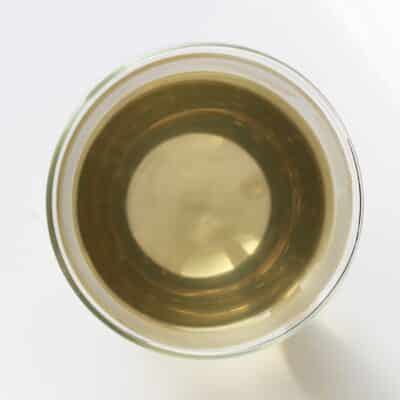
 This product has multiple variants. The options may be chosen on the product page